 By admin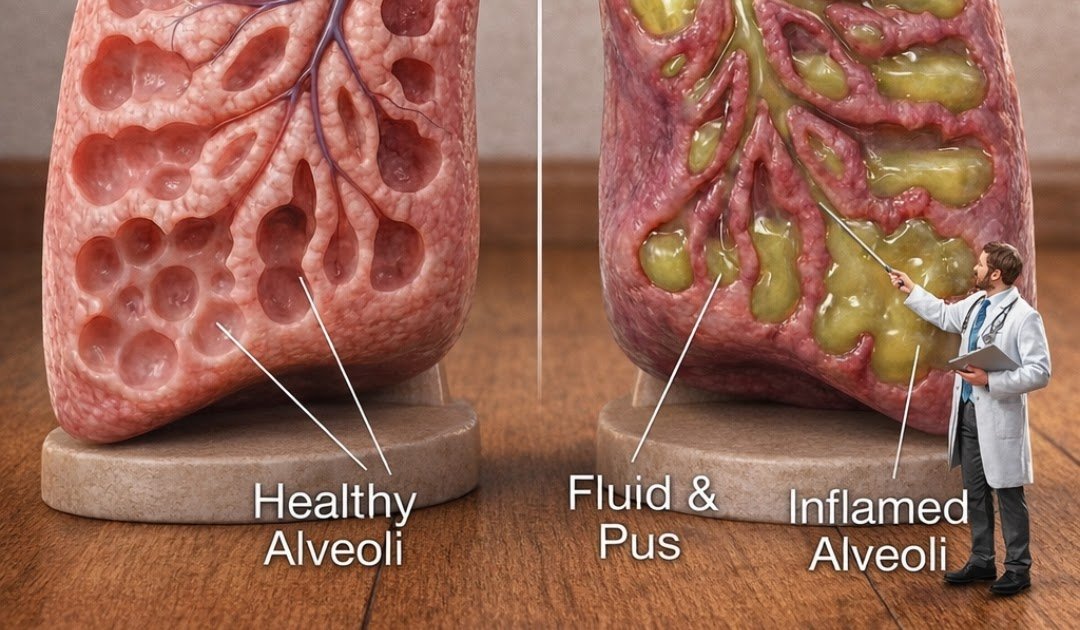
(And how to actually protect your lungs)
For years, many people have been told the same thing: “Don’t go out in the cold, or you’ll get pneumonia.”
Sounds logical, right? Cold air, coughing, lung infection — easy connection.
But here’s the truth 👇
Cold weather does NOT directly cause pneumonia.
So what does cause it? And why do pneumonia cases often rise in winter? Let’s break it down — clearly, medically, and without fear-mongering.

What Is Pneumonia, Really?
Pneumonia is a serious lung infection that inflames the air sacs (alveoli) in one or both lungs. These air sacs can fill with fluid or pus, making it hard to breathe and oxygenate the blood.
It can affect:
-
Children
-
Healthy adults
-
Elderly people
-
Anyone with weakened immunity
And yes — it can happen any time of year.
❌ The Myth: “Cold Air Causes Pneumonia”
Cold air does not infect your lungs.
Snow, wind, or low temperatures cannot create pneumonia on their own.
You don’t get pneumonia from:
-
Being cold
-
Getting rained on
-
Walking barefoot on cold floors
-
Sleeping with a fan on
Those are old myths that refuse to die.
✅ The Real Causes of Pneumonia
Pneumonia is caused by microorganisms, not temperature.
1. Bacteria (Most Common Cause)
-
Streptococcus pneumoniae is the leading bacterial cause
-
Often follows a cold or flu
-
Can become severe quickly if untreated
2. Viruses
-
Influenza (flu)
-
RSV
-
COVID-19
Viral pneumonia can weaken the lungs and sometimes lead to secondary bacterial pneumonia, which is more dangerous.
3. Fungi
-
More common in people with weakened immune systems
-
Found in soil or bird droppings in certain regions
4. Aspiration
-
Inhaling food, vomit, saliva, or liquids into the lungs
-
Common in people with swallowing problems, alcohol intoxication, or neurological conditions
So Why Is Pneumonia More Common in Winter?
Great question — and this is where cold weather indirectly plays a role.
🧊 Winter Increases Risk Because:
-
People spend more time indoors (closer contact = easier spread of germs)
-
Flu and respiratory viruses circulate more
-
Cold, dry air can dry out nasal passages, weakening local defenses
-
Immune systems may be under stress due to lack of sunlight, vitamin D, or poor sleep
➡️ Cold weather doesn’t cause pneumonia — viruses and bacteria do.
Who Is at Higher Risk?
Pneumonia can hit anyone, but risk is higher if you:
-
Are over 65 or under 5
-
Smoke or vape
-
Have asthma, COPD, heart disease, or diabetes
-
Have a weakened immune system
-
Recently had the flu or a bad cold
-
Are bedridden or hospitalized
Common Symptoms You Shouldn’t Ignore
Pneumonia doesn’t always start dramatically. Early symptoms can look “normal” — until they aren’t.
Watch for:
-
Persistent cough (with yellow, green, or bloody mucus)
-
Fever or chills
-
Shortness of breath
-
Chest pain when breathing or coughing
-
Fatigue or confusion (especially in older adults)
-
Rapid breathing or heart rate
⚠️ In children and elderly people, symptoms may be subtle but dangerous.
How to Actually Protect Yourself From Pneumonia
Forget the myths. Focus on real prevention.
✅ 1. Vaccination
-
Pneumococcal vaccine
-
Annual flu shot
-
COVID-19 vaccines (where recommended)
Vaccines don’t prevent all pneumonia, but they dramatically reduce severe cases.
✅ 2. Treat Colds and Flu Properly
-
Don’t “power through” serious infections
-
Rest, hydrate, and seek care if symptoms worsen
✅ 3. Strengthen Your Immune System
-
Quality sleep
-
Balanced nutrition
-
Manage stress
-
Adequate vitamin D (especially in winter)
✅ 4. Stop Smoking
Smoking damages lung defenses and makes infections harder to fight.
✅ 5. Practice Good Hygiene
-
Wash hands
-
Cover coughs
-
Avoid close contact with sick people when possible
When to See a Doctor Immediately
Get medical help urgently if you or someone else has:
-
Difficulty breathing
-
Bluish lips or fingertips
-
High fever that won’t go down
-
Chest pain
-
Confusion or sudden weakness
Pneumonia is treatable — early treatment saves lives.
Final Takeaway
Let’s be clear:
❌ Cold weather does NOT cause pneumonia
✅ Bacteria, viruses, fungi, and aspiration do
Winter increases risk, not because of cold air — but because of germs, indoor exposure, and weakened defenses.
Understanding this changes how you protect your health:
-
Less fear of cold
-
More focus on immunity, prevention, and early care
Your lungs don’t need superstition.
They need science, awareness, and smart protection 🫁