 By admin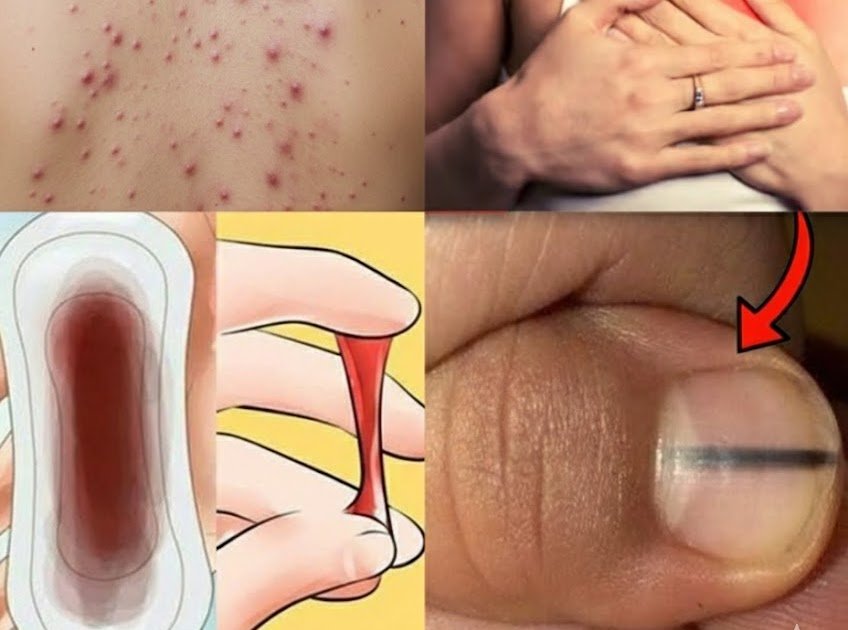
.jpg)
Date: November 18, 2025
In the rush of daily life, it’s easy to dismiss minor changes in your body as simply stress, aging, or a lack of sleep. However, recognizing subtle symptoms can be a matter of life and death, especially when it comes to cancer detection.
Many cancers, particularly in their early, most treatable stages, present with visible signs or noticeable physical changes that are often mistaken for less serious ailments.
This article highlights 14 crucial signs of cancer that many women overlook. Knowing these red flags is the first, and most critical, step toward early detection and successful treatment.
🛑 Changes You Should Never Dismiss
These signs involve noticeable alterations to your skin, appearance, or routine bodily functions.
1. Unexplained Weight Loss
Losing weight without trying to diet or increase exercise can be a significant red flag, often associated with cancers of the pancreas, stomach, lung, or esophagus.
-
When to worry: Losing 10 pounds or more for no clear reason.
2. Chronic Fatigue That Doesn’t Go Away
Feeling tired is normal, but cancer-related fatigue is persistent, severe exhaustion that isn’t relieved by rest. It can be an early symptom of leukemia or colon cancer.
3. Changes in Bowel or Bladder Habits
-
Bowel: Persistent constipation, diarrhea, or a change in stool size/shape can signal colon cancer.
-
Bladder: Pain when urinating, blood in the urine, or needing to go more frequently can be linked to bladder or ovarian cancer.
4. Persistent Bloating or Abdominal Swelling
While occasional bloating is common, persistent, daily bloating, especially when combined with feeling full quickly, is the most common early sign of ovarian cancer.
5. Skin Changes (New Moles or Spots)
The “ABCDE” rule for moles applies, but any new or changing spot needs attention:
-
Asymmetry
-
Border irregularity
-
Color variation
-
Diameter (larger than a pencil eraser)
-
Evolving (changing in appearance)
-
Other skin changes: Jaundice (yellowing of the skin/eyes), or darkening/reddening of the skin.
6. Persistent Cough or Hoarseness
A dry, hacking cough that lasts for weeks, or a persistent hoarse voice, especially in smokers, can be a symptom of lung, throat, or larynx cancer.
🔍 Physical Lumps and Swellings
Any abnormal lump or swelling should be evaluated immediately.
7. Breast Lumps or Nipple Changes
While women are usually aware of breast lumps, often-missed signs include:
-
Nipple Retraction: The nipple turning inward.
-
Skin Dimpling: Skin resembling an orange peel (known as peau d’orange).
-
Redness or Scaliness: Rashes or skin thickening around the nipple or breast.
8. Lumps in the Neck, Armpit, or Groin
Swollen lymph nodes that persist for more than a couple of weeks, or that feel hard and fixed, could be signs of lymphoma or other cancers spreading.
9. Persistent Pain (Especially in the Abdomen/Pelvis)
Unexplained, ongoing pain that lasts for weeks and doesn’t respond to usual remedies can be a sign. Pelvic or abdominal pain is often a late-stage symptom of ovarian cancer.
🩸 Unusual Bleeding or Discharge
Bleeding that occurs outside of menstruation or without injury should always be checked.
10. Abnormal Vaginal Bleeding
-
Bleeding between periods.
-
Bleeding after menopause.
-
Heavy, long, or abnormal periods.
-
Unusual, foul-smelling vaginal discharge.
These symptoms can point toward cervical or endometrial (uterine) cancer.
11. Blood in Stool or Urine
-
Stool: Bright red or dark black blood in the stool is a major sign of possible colorectal cancer.
-
Urine: Blood in the urine can indicate bladder or kidney cancer.
12. Unexplained Rectal Bleeding
Often mistaken for hemorrhoids, any bleeding from the rectum, even minor spotting, must be investigated to rule out colorectal cancer.
🔄 Other Subtle Changes
13. Difficulty Swallowing (Dysphagia)
Trouble swallowing food or a persistent feeling of food getting stuck in the throat can signal cancer of the esophagus or throat.
14. Mouth Changes (Sores or Bleeding)
Any sore in the mouth, tongue, or on the lips that doesn’t heal within a few weeks, or unexplained bleeding in the mouth, requires urgent dental or medical attention, particularly for smokers.
✅ What to Do Next: Don’t Self-Diagnose
It is vital to remember that most of these symptoms are not cancer. They are far more likely to be caused by less serious conditions.
However, the key difference lies in the persistence of the symptom. If a new symptom lasts for more than two weeks, or if a symptom concerns you, you must talk to your doctor.
Early detection saves lives. Don’t let fear or embarrassment keep you from scheduling that vital check-up.
👉 If you notice any of these 14 signs lasting more than two weeks, schedule an appointment with your healthcare provider immediately.
#womenshealth #cancerawareness #earlydetection #cancersymptoms #healthyliving #redflags