 By admin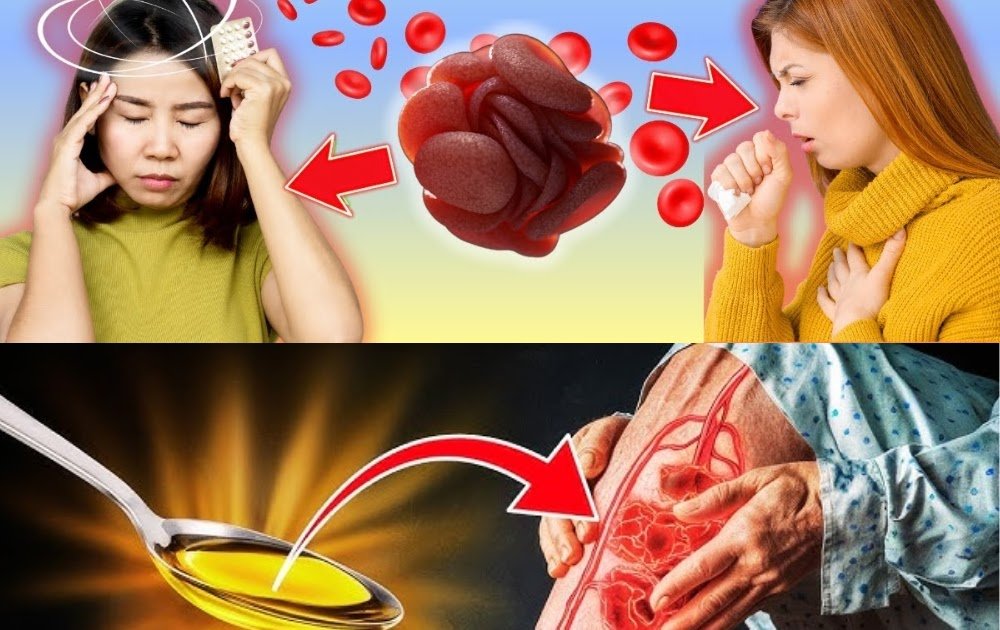

Blood clots may seem harmless at first, but they can be life-threatening if
not detected early. A clot can block blood flow in your veins or arteries,
leading to dangerous conditions like
deep vein thrombosis (DVT), pulmonary embolism, heart attack, or
stroke. Recognizing the symptoms early could save your life.
Here are the
top 8 warning signs of blood clots
you should watch for:
1. Unexplained Swelling
Sudden swelling—especially in the
leg, ankle, or arm—is a
common sign of a blood clot. The swelling usually occurs on one side of the
body and may feel warm to the touch.
2. Sharp Pain or Tenderness
A clot in a deep vein can cause
throbbing or cramping pain
that doesn’t go away with rest. The pain often starts in the
calf or thigh and worsens
when walking or standing.
3. Skin Redness or Discoloration
If your skin looks
red, bluish, or unusually pale
in a certain area, it may signal restricted blood flow caused by a clot.
4. Warmth in the Affected Area
Blood clots often cause
localized warmth over the
skin where the clot is lodged. If one leg feels warmer than the other, it’s a
red flag.
5. Sudden Shortness of Breath
A clot that travels to the lungs (pulmonary embolism) can cause
difficulty breathing, rapid
heartbeat, or chest tightness. This is a medical emergency—seek help
immediately.
6. Chest Pain or Pressure
Clots in the heart or lungs may cause
sharp chest pain,
heaviness, or pressure that mimics a heart attack. If chest pain comes with
dizziness or sweating, call emergency services right away.
7. Fast Heartbeat or Lightheadedness
When oxygen supply drops due to a clot, your heart works harder. This may lead
to
rapid heartbeat, dizziness, or fainting. Don’t brush it off.
8. Persistent Cough (Sometimes With Blood)
A clot in the lungs can trigger a
chronic cough, often
producing pink or blood-streaked mucus. This is another emergency sign that
requires urgent care.
Who Is at Higher Risk?
You may be more prone to blood clots if you:
-
Sit for long periods (desk jobs, long flights)
-
Are overweight or obese
-
Smoke or drink heavily
-
Are pregnant or on birth control pills
-
Have a family history of clotting disorders
Final Thoughts
Blood clots are silent but dangerous. If you notice
swelling, pain, sudden shortness of breath, or chest discomfort, don’t ignore it—get medical help right away.
⚠️ Tip: Staying active,
drinking plenty of water, and avoiding long periods of sitting can help lower
your risk of blood clots.