 By admin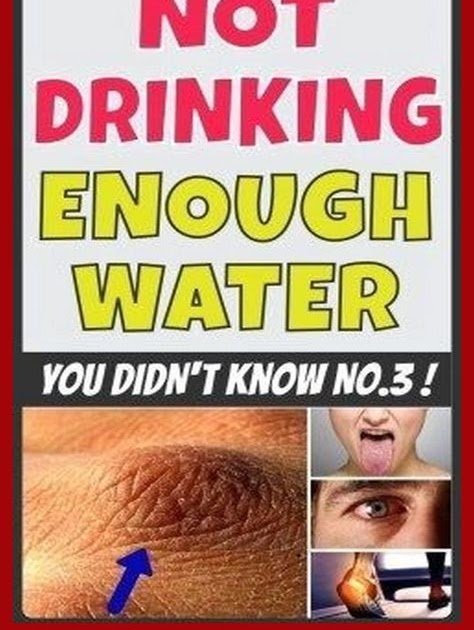
Water is the foundation of life. Your body is made up of about 60% water, and every single cell relies on it to function properly. Yet, many of us go through the day forgetting to hydrate. Dehydration doesn’t always mean feeling thirsty—your body often sends subtle signals that you’re not getting enough water. Ignoring these signs can affect your health, skin, energy, and even mood.
Here are the 10 surprising signs you’re not drinking enough water—and why you need to start sipping more today.

1. Dry, Cracked Skin
Your skin is one of the first places to show dehydration. If it feels tight, flaky, or develops fine lines more easily, it’s a red flag that you need more water. Hydrated skin looks plump, youthful, and radiant—while dehydration leaves it dull and rough.
2. Constant Fatigue
Ever feel tired even after a good night’s sleep? Your body may be running low on fluids. Water helps carry oxygen to your cells, and when you’re dehydrated, your heart has to work harder to pump oxygen-rich blood. The result? You feel drained and sluggish.
3. Bad Breath (Surprising One!)
Here’s the one most people don’t realize: not drinking enough water can cause bad breath. When you’re dehydrated, your mouth produces less saliva, which normally helps wash away bacteria. That bacteria builds up and causes an unpleasant odor.
4. Frequent Headaches
Dehydration is a common trigger for headaches and even migraines. Without enough fluids, your brain temporarily contracts, pulling away from the skull and causing pain. Drinking more water is one of the simplest remedies.
5. Digestive Problems
Water is essential for producing digestive juices and keeping things moving smoothly. If you’re struggling with constipation, bloating, or stomach cramps, dehydration may be the hidden culprit.
6. Muscle Cramps & Joint Pain
Water lubricates your joints and helps muscles contract properly. If you often feel sore, stiff, or crampy—especially during exercise—it could be your body begging for hydration.
7. Dark Yellow Urine
One of the clearest signs of dehydration is the color of your urine. If it’s dark yellow or amber instead of pale or clear, you’re not drinking enough water. Your body is holding onto every drop it can.
8. Poor Concentration & Brain Fog
Your brain is made up of about 75% water. Even mild dehydration can affect memory, focus, and decision-making. If you’re feeling forgetful or foggy, it might not be stress—it could be thirst.
9. Constant Sugar Cravings
Strange but true: sometimes your body confuses thirst for hunger, especially sugar cravings. Before grabbing that candy bar, drink a glass of water—you may find the craving disappears.
10. Dizziness or Lightheadedness
Low hydration affects your blood pressure and circulation. If you suddenly feel dizzy when standing up or lightheaded during the day, your body might be signaling a lack of fluids.
How Much Water Should You Drink Daily?
While the classic advice is 8 glasses a day, your actual needs depend on your weight, activity level, and climate. A good rule of thumb: aim for half your body weight in ounces. For example, if you weigh 150 pounds, try to drink about 75 ounces of water daily.
Final Thoughts
Your body constantly loses water through sweating, breathing, and digestion—so it’s vital to keep refueling. If you’ve noticed any of these signs, start increasing your daily intake. Carry a reusable water bottle, add fruits like lemon or cucumber for flavor, and make hydration part of your lifestyle.
Remember: staying hydrated isn’t just about quenching thirst—it’s about fueling your body, boosting your energy, and protecting your long-term health.