 By admin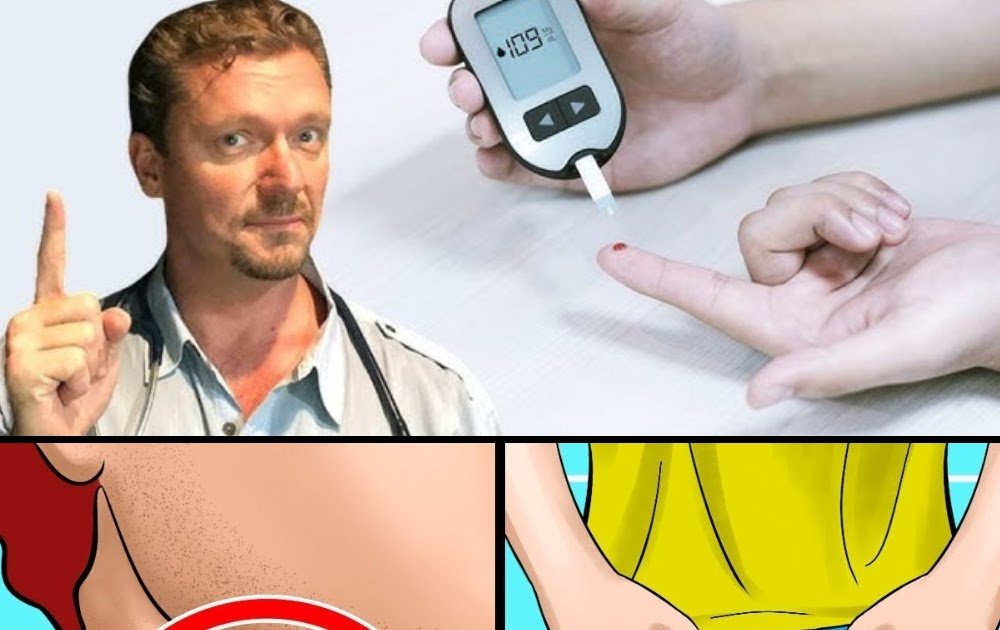

Prediabetes is a silent condition that often goes unnoticed, yet it
affects millions of people worldwide. It happens when blood sugar levels are
higher than normal but not high enough to be diagnosed as type 2 diabetes. The
good news is that prediabetes can be reversed with early detection and
lifestyle changes. Here are
12 warning signs of prediabetes, plus tips on how to detect it and take control of your health.
12 Signs of Prediabetes
1. Frequent Thirst
If you feel unusually thirsty all the time, it may be a sign your body is
struggling to regulate blood sugar.
2. Increased Urination
Needing to urinate more often, especially at night, is another early red flag.
3. Constant Fatigue
High blood sugar prevents your body from using energy efficiently, leading to
persistent tiredness.
4. Blurred Vision
Fluctuating glucose levels can temporarily change the shape of your eye’s
lens, causing vision problems.
5. Slow-Healing Wounds
Cuts, bruises, or infections that heal slowly may indicate prediabetes or
insulin resistance.
6. Tingling or Numbness
Nerve damage can begin in the prediabetic stage, causing tingling in hands or
feet.
7. Unexplained Weight Gain (or Loss)
Insulin resistance often leads to belly fat accumulation, but some people may
also lose weight without trying.
8. Frequent Hunger
Despite eating, your body’s cells may not absorb glucose properly, leaving you
hungry soon after meals.
9. Dark Patches on the Skin (Acanthosis Nigricans)
Darkened skin around the neck, armpits, or groin is often linked to insulin
resistance.
10. Irritability and Mood Changes
Blood sugar fluctuations can affect brain function and mood stability.
11. Difficulty Concentrating
“Brain fog” or poor focus may be linked to poor glucose control.
12. Family History of Diabetes with Symptoms
If you have relatives with type 2 diabetes and notice these signs, your risk
is higher.
How to Detect Prediabetes
The only way to confirm prediabetes is through a blood test. Common tests
include:
-
Fasting Blood Sugar Test: Levels between 100–125 mg/dL indicate prediabetes.
-
Oral Glucose Tolerance Test (OGTT): Measures how your body processes sugar.
-
Hemoglobin A1C Test: A
reading between 5.7% and 6.4% suggests prediabetes.
How to Control and Reverse Prediabetes
The best news is that prediabetes doesn’t have to progress to diabetes. With
the right changes, you can reverse it:
-
Adopt a Balanced Diet:
Focus on whole foods, vegetables, lean protein, and whole grains. Avoid
processed sugars and refined carbs. -
Exercise Regularly: At
least 150 minutes of moderate activity per week improves insulin
sensitivity. -
Maintain a Healthy Weight: Even a 5–7% weight loss can significantly reduce diabetes risk.
-
Manage Stress: Chronic
stress raises blood sugar; practice relaxation techniques like meditation
or yoga. -
Get Quality Sleep: Poor
sleep is linked to insulin resistance. Aim for 7–8 hours per night. -
Limit Alcohol and Quit Smoking: Both habits increase the risk of type 2 diabetes.
-
Regular Checkups:
Monitor blood sugar and consult your doctor for personalized advice.
Final Thoughts
Prediabetes is a
warning signal from your body. By recognizing these
12 signs, getting tested,
and making proactive lifestyle changes, you can prevent type 2 diabetes and
protect your long-term health.