 By admin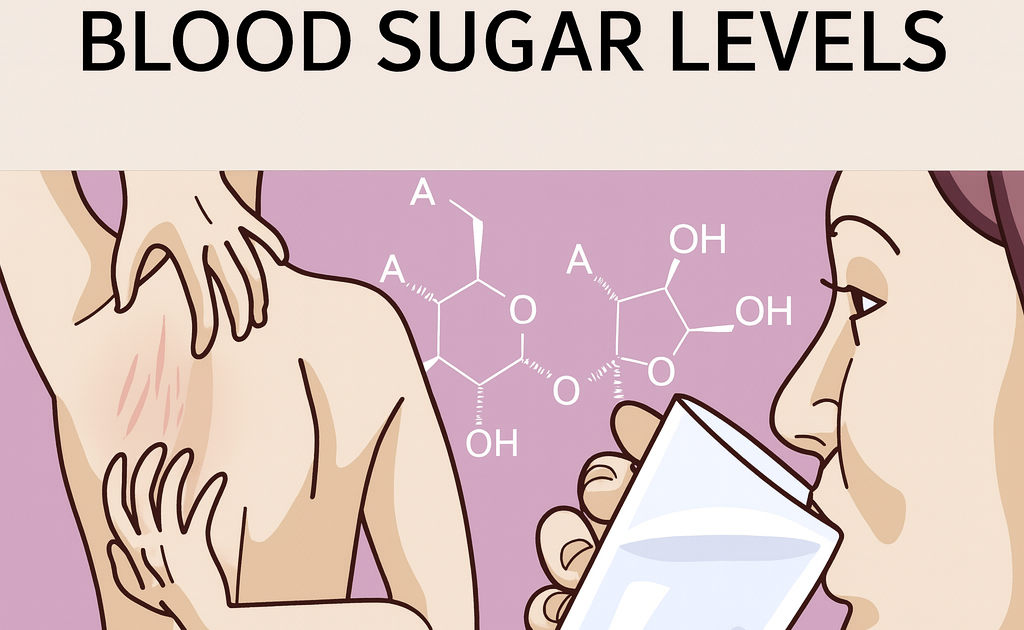
When it comes to health, keeping an eye on your blood sugar levels is crucial. Having too much sugar in the blood—also known as hyperglycemia—can lead to serious complications if left untreated. If you’ve ever felt that something just isn’t right with your body, knowing how to recognize the signs of high blood sugar could save your health—and even your life.
In this article, we’ll explore 14 symptoms of high blood sugar and share practical strategies to keep your glucose levels in check.

Why High Blood Sugar Matters
Glucose (sugar) is the body’s main source of energy. But when it builds up in the bloodstream instead of being used by your cells, it can cause damage to organs, nerves, and blood vessels over time. While it’s normal for blood sugar to fluctuate during the day, consistently high levels are a red flag.
By understanding the symptoms, you can make informed decisions about your diet, lifestyle, and medical care.
14 Common Symptoms of High Blood Sugar
1. Frequent Urination
Excess sugar in the blood makes the kidneys work harder to filter it out, which results in more trips to the bathroom.
2. Excessive Thirst
Because frequent urination dehydrates the body, you may feel the need to drink water constantly.
3. Blurry Vision
High glucose levels can cause swelling in the eye’s lens, leading to temporary or persistent blurry vision.
4. Fatigue and Weakness
When your body can’t use glucose properly for energy, you’ll feel tired—even after resting.
5. Unexplained Weight Loss
In uncontrolled hyperglycemia, the body starts breaking down fat and muscle for energy, leading to sudden weight loss.
6. Recurrent Infections
High blood sugar weakens the immune system, making you prone to urinary tract infections, skin infections, and yeast infections.
7. Slow-Healing Wounds
Cuts and bruises may take much longer to heal because excess sugar affects blood circulation and tissue repair.
8. Tingling or Numbness in Hands and Feet
This could be a sign of diabetic neuropathy, where high sugar damages nerves over time.
9. Nausea and Vomiting
When the body can’t use glucose, it starts producing ketones, which may cause nausea and even vomiting.
10. Rapid Breathing or Shortness of Breath
In severe cases, diabetic ketoacidosis (DKA) can make breathing shallow, fast, and difficult.
11. Confusion or Difficulty Concentrating
Extremely high glucose levels affect brain function, leading to confusion, disorientation, or even fainting.
12. Dry Skin
Dehydration caused by excessive urination can leave your skin rough, itchy, or flaky.
13. Fruity-Smelling Breath
A telltale sign of DKA, this unusual smell is due to ketones building up in the body.
14. Abdominal Pain
Severe hyperglycemia may cause stomach pain, especially when linked to diabetic ketoacidosis.
What to Do If You Notice These Symptoms
If you experience one or more of these warning signs, it’s important not to ignore them. Seek medical attention and get your blood sugar tested. Early detection and treatment can prevent life-threatening complications.
Tips to Keep Blood Sugar Levels Healthy
-
Eat a balanced diet rich in fiber, lean protein, and whole grains.
-
Limit processed foods and sugary drinks.
-
Exercise regularly to help your body use glucose more effectively.
-
Stay hydrated with water instead of soda or juices.
-
Monitor your blood sugar if you’re at risk or already diagnosed with diabetes.
-
Manage stress, since high stress levels can increase blood glucose.
Final Thoughts
High blood sugar can creep up silently, but the symptoms are your body’s way of sending urgent messages. By recognizing these 14 signs, you can take proactive steps to protect your health, avoid complications, and live a more balanced life.
👉 If you suspect your blood sugar is high, consult a healthcare professional immediately. Prevention and early action are the best tools against hyperglycemia.