 By admin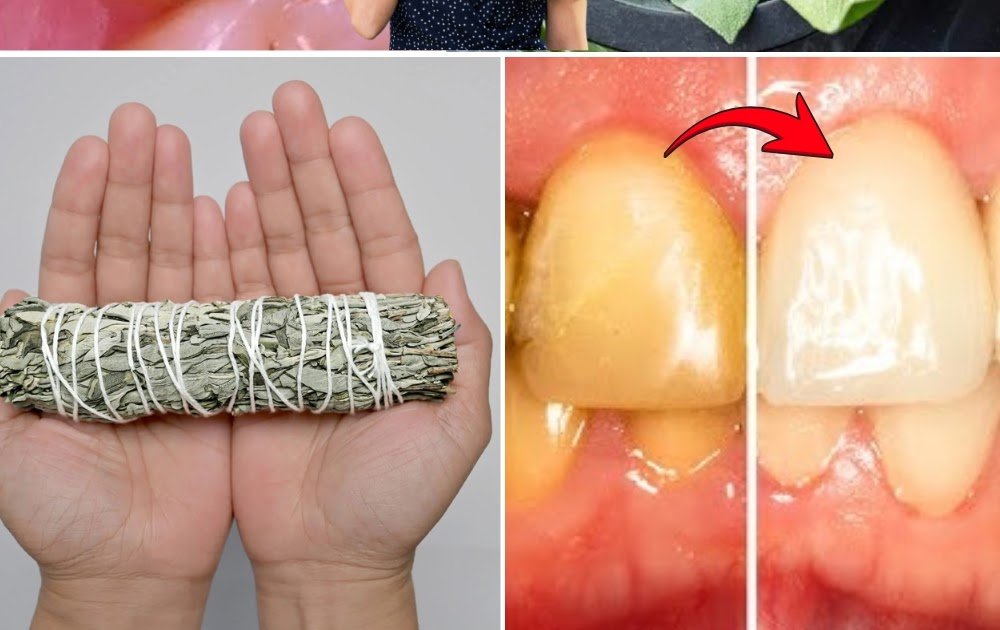
When it comes to natural remedies for oral care, sage leaves (Salvia officinalis) stand out as one of the most effective herbal solutions. This aromatic Mediterranean plant has long been used in traditional medicine—and modern research continues to confirm its impressive benefits for the mouth, teeth, and gums.
If you’re searching for a gentle, natural way to support a healthier smile, here are six proven oral-health benefits of sage leaves you shouldn’t overlook.

1. Strong Antibacterial Properties That Fight Harmful Oral Bacteria
Sage leaves contain potent antibacterial compounds such as cineole, thujone, and camphor. These natural agents help eliminate harmful bacteria responsible for:
-
bad breath
-
tooth decay
-
gum infections
-
plaque buildup
Using sage as a mouth rinse can create a cleaner environment in the mouth and slow the growth of bacteria that damage teeth and gums.
2. Reduces Gum Inflammation and Soothes Irritated Tissue
One of sage’s strongest benefits is its anti-inflammatory power. If you often experience swollen, red, or sensitive gums, sage can help calm irritation.
Sage tea or sage mouthwash helps:
-
reduce gum swelling
-
relieve tenderness
-
support healing in inflamed tissues
It’s especially helpful for those dealing with gingivitis or recovering from dental procedures.
3. Natural Pain Relief for Toothaches
Sage contains mild analgesic (pain-relieving) compounds that help ease discomfort caused by:
-
toothaches
-
gum soreness
-
sensitivity after dental treatment
Using warm sage water as a mouth rinse may provide quick, natural relief without harsh chemicals.
4. Helps Stop Bleeding Gums
Thanks to its astringent properties, sage helps tighten and tone gum tissue. This can reduce bleeding caused by:
-
brushing
-
flossing
-
gum disease
-
vitamin deficiency
Regularly rinsing with sage may strengthen gum walls and improve overall gum health.
5. Effective Against Bad Breath (Halitosis)
Bad breath often comes from bacterial buildup—and sage directly targets the bacteria responsible.
Its fresh herbal aroma plus its antimicrobial effects make sage a powerful natural remedy for:
-
morning breath
-
food-related odors
-
chronic halitosis
Sage mouthwash neutralizes odor and leaves the breath noticeably fresher.
6. Helps Prevent Tooth Decay and Plaque Formation
By reducing bacterial activity and inflammation, sage helps create a healthier oral ecosystem. This makes it harder for plaque to accumulate, which lowers the risk of:
-
cavities
-
enamel erosion
-
gum disease
Adding sage mouthwash to your routine supports long-term dental hygiene and strengthens overall oral defense.
How to Use Sage for Oral Care
Here are simple, safe ways to use sage at home:
Sage Mouth Rinse
-
Boil water.
-
Add 5–7 fresh or dried sage leaves.
-
Steep for 10 minutes.
-
Allow to cool until warm.
-
Use as a mouthwash 2–3 times per day.
Sage Tea for Internal Support
Sipping sage tea can also support oral health from within thanks to its anti-inflammatory and antioxidant effects.
Note: Avoid placing raw leaves directly on open wounds or extraction sites.
Final Thoughts
Sage leaves are more than just a kitchen herb—they offer powerful, science-backed benefits for oral health. From fighting bacteria to soothing gum inflammation and freshening breath, sage is a versatile, natural solution for anyone wanting a cleaner and healthier mouth.