 By admin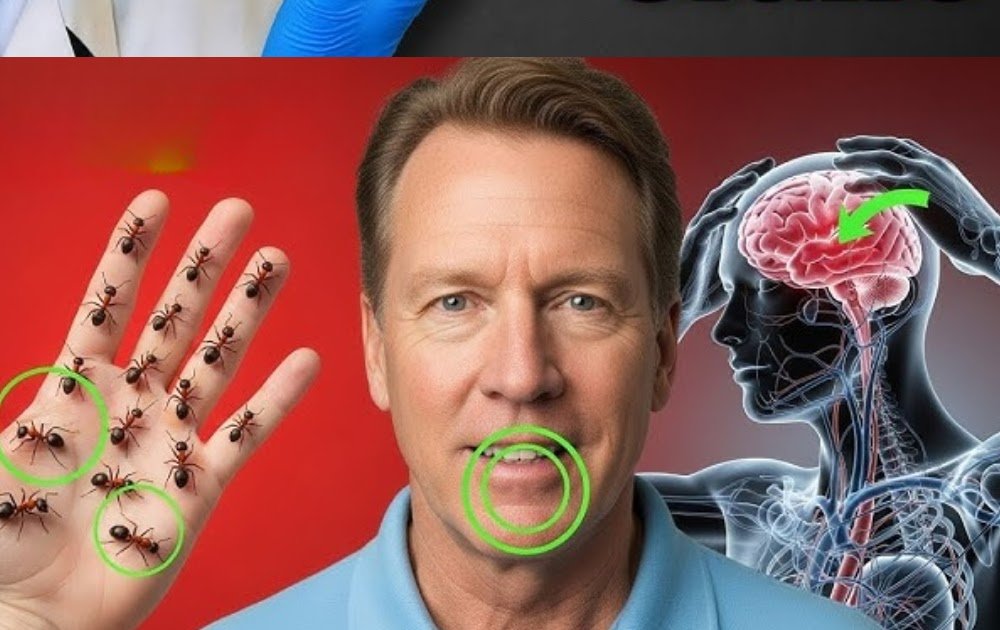

Dementia is a growing global health concern, affecting millions of people and
their families every year. While memory loss is often the first thing people
think of, dementia involves a wide range of symptoms that can appear
gradually. Recognizing these
early warning signs is
crucial for getting timely medical help and slowing down the progression of
the condition.
In this article, we’ll cover the most overlooked dementia symptoms, explain
what they mean, and share practical steps you can take.
1. Memory Problems Beyond Forgetfulness
Occasional forgetfulness is normal—like misplacing your keys or forgetting
someone’s name for a moment. However, dementia-related memory loss is
different:
-
Forgetting recently learned information
-
Repeating the same question multiple times
-
Relying heavily on notes or family members to remember simple things
This type of memory decline disrupts daily life and is one of the most common
early dementia warning signs.
2. Difficulty Completing Familiar Tasks
Struggling with daily routines, such as following a recipe, paying bills, or
using household appliances, can point to dementia. The problem isn’t about
learning something new—it’s about forgetting tasks that once felt automatic.
3. Confusion with Time and Place
A person with dementia may lose track of:
-
Dates and seasons
-
Where they are
-
How they got there
This confusion can lead to wandering, which is a serious safety risk.
4. Problems with Language and Communication
Another major red flag is difficulty in finding the right words, following
conversations, or repeating the same phrases. Sometimes people may stop
mid-sentence, unable to continue.
5. Visual and Spatial Difficulties
Dementia doesn’t only affect memory—it can also impact vision and spatial
awareness. Warning signs include:
-
Trouble judging distance
-
Difficulty reading
-
Mistaking reflections in the mirror as another person
These changes often increase the risk of falls.
6. Poor Judgment and Decision-Making
A person might make unusual financial decisions, dress inappropriately for the
weather, or show a lack of attention to personal hygiene. These changes often
come as a surprise to family members.
7. Withdrawal from Work and Social Activities
Social withdrawal is another early sign. People may lose interest in hobbies,
avoid friends, or struggle to keep up with group conversations. This isn’t
just a matter of personality—it can indicate cognitive decline.
8. Mood and Personality Changes
Dementia can cause rapid shifts in mood. A person may become anxious,
suspicious, depressed, or easily upset, even in situations that never bothered
them before.
9. Unusual Sensations in the Body
Some early dementia symptoms aren’t mental—they’re physical. People may
describe:
-
A crawling or tingling sensation in their hands (like ants walking on the
skin) -
Difficulty swallowing or unusual mouth sensations
These subtle neurological signs may go unnoticed but can signal brain
changes.
Why Early Detection Matters
Spotting these symptoms early gives doctors the chance to diagnose dementia or
related conditions while there are still treatment options available.
Lifestyle changes, medication, and therapies can help slow progression and
improve quality of life.
What You Can Do
If you notice these warning signs in yourself or someone you love:
-
Seek medical advice early
– Don’t wait until symptoms worsen. -
Track changes – Keep a
journal of unusual behaviors or memory lapses. -
Encourage brain health
– Activities like puzzles, exercise, and a healthy diet can make a
difference.
Final Thoughts
Dementia is not a normal part of aging, and recognizing the signs early is
critical. Whether it’s memory lapses, mood changes, or unusual body
sensations, paying attention can help protect brain health and lead to better
outcomes.