 By admin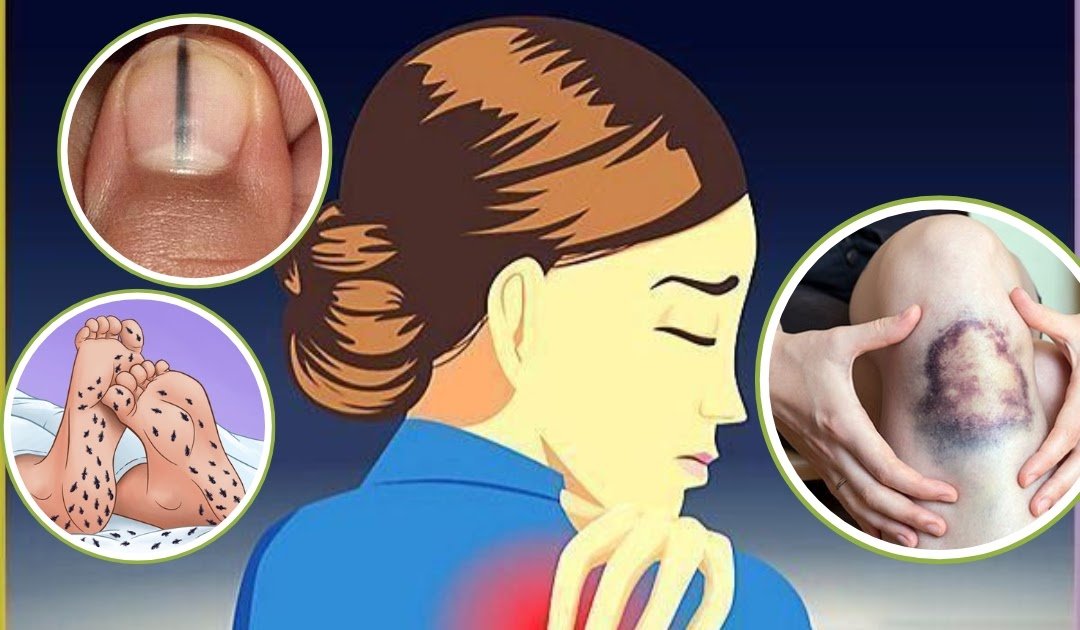
Your body is constantly communicating with you. Sometimes, it whispers
through small discomforts; other times, it shouts through persistent pain or
unusual symptoms. Ignoring these signals can lead to bigger health risks. By
learning how to recognize early warning signs, you can take action before
problems escalate.
Here are
25 worrying signs your body may be warning you of serious health
problems, along with
practical advice on what to
do about them.

1. Persistent Fatigue
If you feel exhausted even after sleeping, it could signal thyroid issues,
anemia, or chronic fatigue syndrome.
Tip: Check your iron levels
and thyroid function with a doctor.
2. Sudden Weight Loss
Unexplained weight loss may be linked to diabetes, thyroid disorders, or even
cancer.
Tip: Track your diet and
visit a healthcare provider if weight drops without changes in lifestyle.
3. Shortness of Breath
Struggling to breathe during light activity may indicate heart or lung
disease.
Tip: Avoid smoking, and
seek immediate medical care if symptoms worsen.
4. Frequent Headaches
Recurring headaches can be triggered by stress, vision problems, or high blood
pressure.
Tip: Stay hydrated, manage
stress, and schedule an eye check-up.
5. Chest Pain
A heavy, squeezing sensation could be a sign of heart attack or angina.
Tip: Never ignore chest
pain—call emergency services immediately.
6. Severe Abdominal Pain
Intense or recurring stomach pain may be linked to gallstones, ulcers, or
appendicitis.
Tip: Keep a food diary to
spot triggers, and seek urgent care for sharp pain.
7. Skin Changes
Dark spots, new moles, or unusual patches could indicate skin cancer.
Tip: Use sunscreen daily
and get suspicious moles checked by a dermatologist.
8. Swelling in Legs or Feet
This could signal poor circulation, kidney issues, or heart failure.
Tip: Limit salt intake and
raise your legs when resting. See a doctor if swelling persists.
9. Unexplained Bruising
Frequent bruises without injury may be related to clotting disorders or
leukemia.
Tip: Monitor your vitamin K
intake and consult a doctor if bruising continues.
10. Vision Problems
Blurry vision, double vision, or sudden vision loss may be linked to diabetes,
stroke, or eye disease.
Tip: Get regular eye exams
and maintain good blood sugar control.
11. Constant Thirst
Excessive thirst often points to diabetes or dehydration.
Tip: Limit sugary drinks
and check blood sugar levels.
12. Frequent Urination
Going to the bathroom too often could be a sign of prostate problems or
diabetes.
Tip: Reduce caffeine and
alcohol intake and consult your doctor.
13. Loss of Appetite
If you no longer feel hungry, it may suggest liver disease or depression.
Tip: Eat small meals rich
in nutrients and seek medical advice.
14. Persistent Cough
A cough lasting more than 3 weeks may be linked to asthma, GERD, or lung
cancer.
Tip: Avoid smoking, stay
hydrated, and see a doctor if it doesn’t improve.
15. Night Sweats
Heavy sweating at night can be caused by infections, hormonal changes, or
lymphoma.
Tip: Keep your bedroom cool
and schedule a medical check-up.
16. Memory Problems
Forgetting names, dates, or tasks may signal early Alzheimer’s or vitamin
deficiencies.
Tip: Exercise your brain
with puzzles and maintain a balanced diet.
17. Tingling in Hands or Feet
This may indicate nerve damage, diabetes, or poor circulation.
Tip: Stretch daily, avoid
prolonged sitting, and get tested for diabetes.
18. Frequent Heartburn
Persistent acid reflux can damage the esophagus and lead to cancer.
Tip: Avoid spicy foods, eat
smaller meals, and elevate your head when sleeping.
19. Slow-Healing Wounds
Cuts that don’t heal quickly could signal diabetes or immune system
problems.
Tip: Keep wounds clean,
monitor blood sugar, and seek medical care.
20. Irregular Heartbeat
Heart palpitations may be harmless but can also point to arrhythmia or heart
disease.
Tip: Reduce caffeine and
manage stress. If irregular heartbeat continues, see a cardiologist.
21. Joint Pain
Constant stiffness or pain may indicate arthritis or autoimmune disorders.
Tip: Stay active with
low-impact exercises like swimming or yoga.
22. Difficulty Swallowing
Trouble swallowing could be linked to esophageal disorders or cancer.
Tip: Eat slowly, take small
bites, and consult a doctor if it persists.
23. Constant Bloating
Ongoing bloating may be linked to food intolerances, IBS, or ovarian
cancer.
Tip: Track foods that
trigger symptoms and avoid carbonated drinks.
24. Dizziness
Feeling lightheaded often can be a sign of low blood pressure, anemia, or
dehydration.
Tip: Drink enough water and
avoid standing up too quickly.
25. Bleeding Gums
Gum bleeding is often caused by gum disease, but it can also signal vitamin
deficiency or blood disorders.
Tip: Improve dental hygiene
and schedule regular dentist visits.
Final Thoughts
Your body is your best messenger. While some symptoms may seem minor, ignoring
them can lead to serious health issues. By paying attention to these
25 warning signs and making
simple lifestyle changes, you can protect yourself from long-term damage.
👉 Pro Tip: Don’t
self-diagnose. Use these signs as a guide, but always consult a healthcare
professional for proper diagnosis and treatment.