 By admin
Purslane (Verdolaga) is no longer a garden menace but a valuable gem! This
remarkable plant is reclaiming its place in farmer’s markets and prestigious
restaurants, offering both health benefits and culinary delight.
Known by various names such as hogweed and pigweed, Purslane is a weed you’ll
want to embrace. Regarded as a superfood, it holds a special place in the
heart of even Mahatma Gandhi and is now experiencing a resurgence.
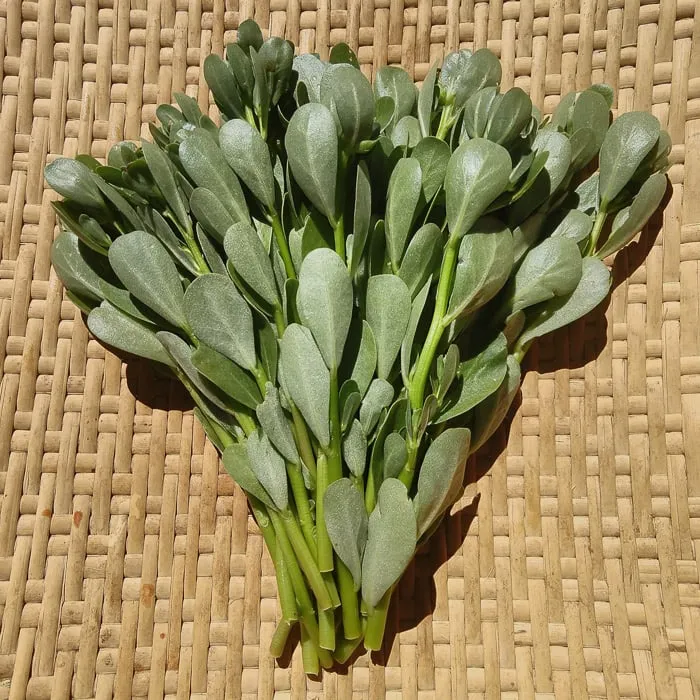
This resilient plant emerges from pavement cracks, infiltrates gardens, and is
hailed as a “miracle plant” by Dr. Artemis Simopoulos, the president of the
Centre for Genetics, Nutrition, and Health. During her tenure at the National
Institutes of Health, Dr. Simopoulos discovered that Purslane contains the
highest levels of Omega-3 fatty acids among all green plants.
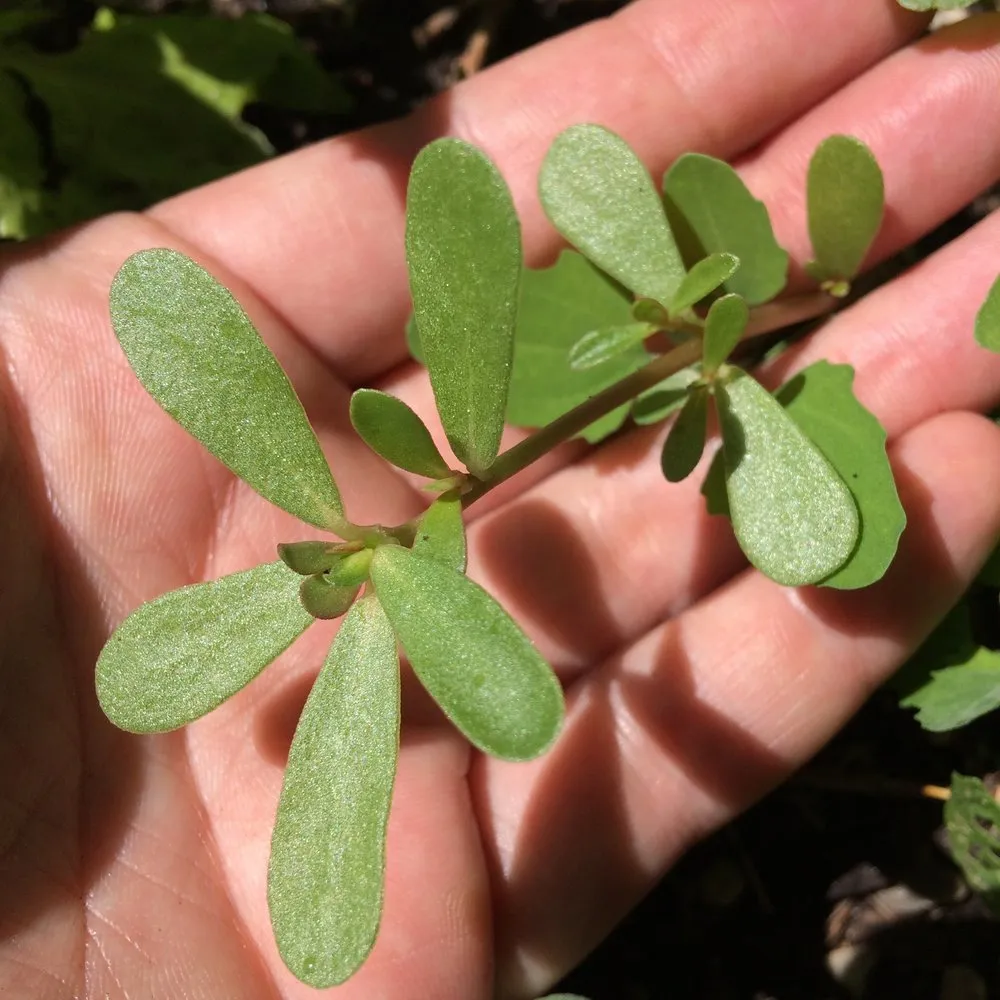
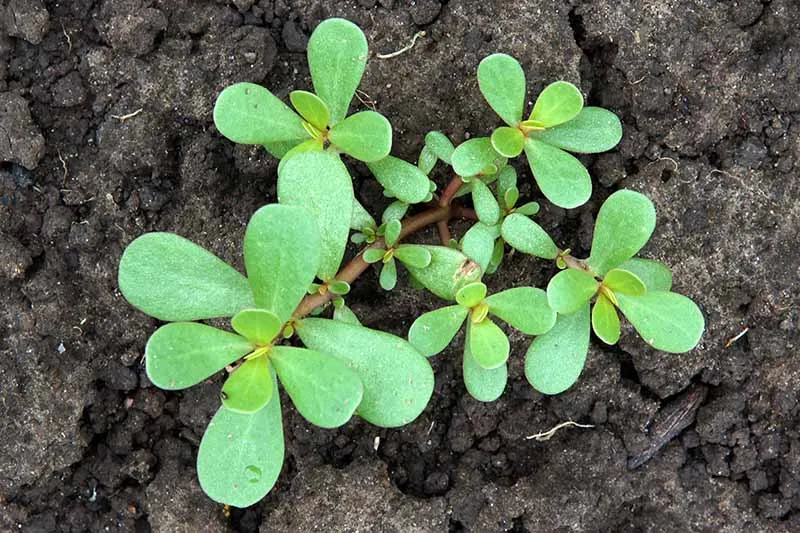
Its teardrop-shaped succulent leaves are abundant in antioxidants, vitamins,
and minerals, making it a nutritious powerhouse. But that’s not all—these
leaves also offer a refreshing and tangy lemon flavor with a hint of peppery
kick, as described by Sergio Vitale, the chef-owner of Aldo’s Ristorante
Italiano in Chicago, who grew up enjoying Purslane in southern Italy.
Although early Americans, including Martha Washington, relished Purslane both
raw and pickled, its usage dwindled in the early 1900s. Fortunately, in recent
years, farmers, foragers, and innovative chefs have rekindled their interest
in this beneficial weed.
When preparing wild Purslane, it’s crucial to wash the plant meticulously to
eliminate any pesticide residue. With its tart and slightly salty taste,
Purslane makes an excellent addition to salads and various dishes.
Additionally, here’s a simple recipe to try: Purslane and Basil Pesto.
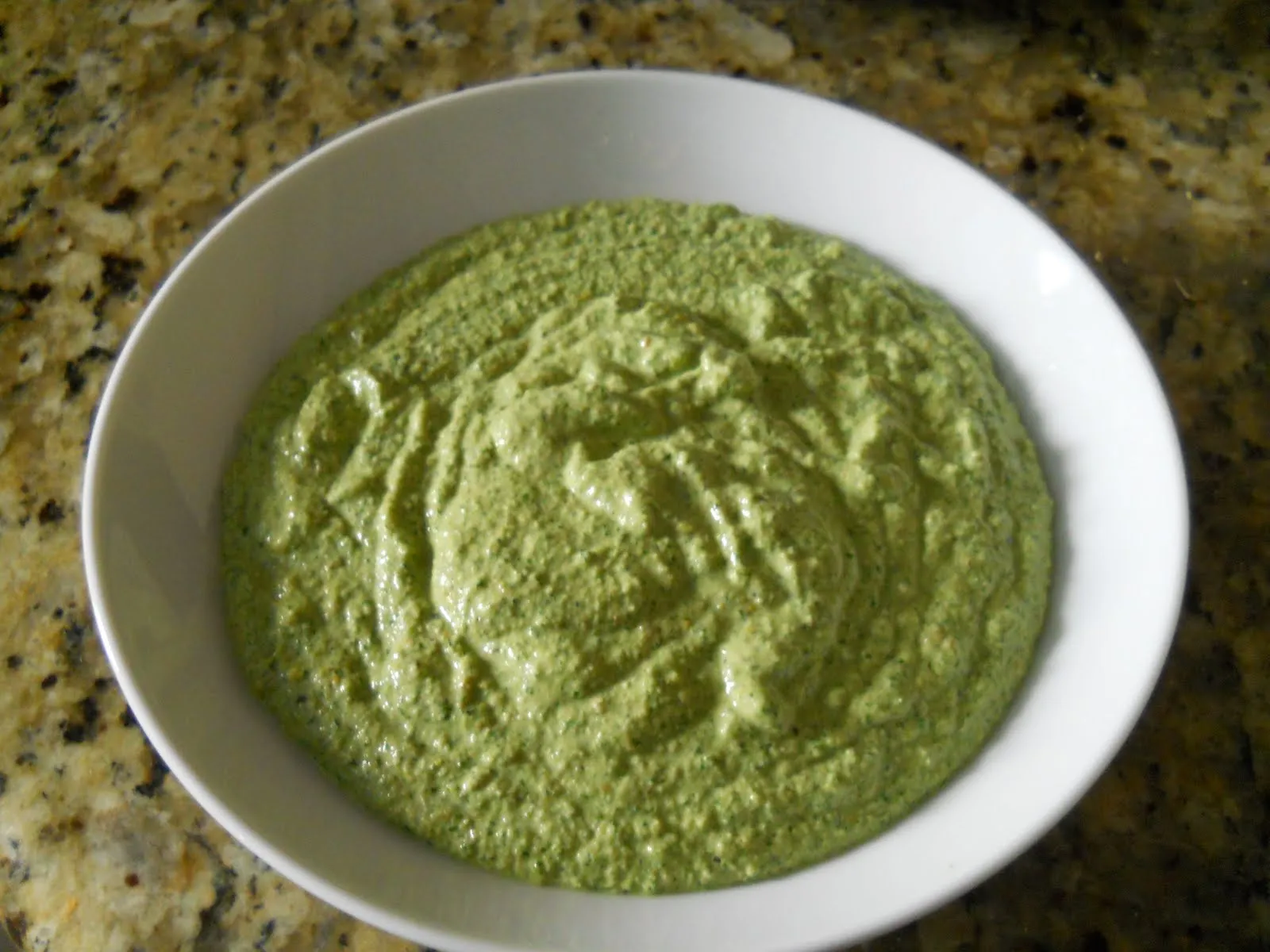
Ingredients:
- 2 cups young Purslane leaves and stems, rinsed and roughly chopped
- 45g basil leaves, rinsed
- 1 clove garlic
- 45g toasted almonds
- Juice from half a lemon
- 50ml olive oil
- Salt and pepper to taste
Instructions:
-
Combine Purslane, basil, garlic, almonds, and lemon juice in a food
processor. - Pulse until well combined.
-
While the processor is running, slowly stream in olive oil until the mixture
emulsifies. - Season with salt and pepper to taste.
-
Enjoy this flavorful pesto on a toasted sandwich, roasted vegetables, meat,
or tossed with pasta.
Now, let’s explore the nutritional benefits of Purslane:
-
Omega-3 Fatty Acids: Purslane stands out as an exceptional plant-based source of these
essential fatty acids, crucial for brain and heart health, especially for
vegans. -
Antioxidants: Loaded with antioxidants like glutathione, Purslane helps protect
cells, combat damage, and slow down the aging process. -
Minerals: With notable amounts of calcium, magnesium, potassium, iron,
phosphorus, manganese, copper, folate, and selenium, Purslane fills the gaps
in the Standard American Diet and supports overall well-being. -
Vitamin C: A significant source of this immune-boosting vitamin, which aids in
maintaining a strong and resilient immune system. -
Beta-carotene: Abundant in Purslane, beta-carotene serves as a precursor to vitamin
A, addressing the deficiency commonly found in many individuals. -
Melatonin: Unlike most plants, Purslane contains melatonin, a hormone crucial
for regulating sleep patterns, making it a valuable natural source. -
Cholesterol Reduction: Thanks to betalain, an antioxidant present in Purslane, it helps
prevent cholesterol damage to blood vesselsand has a positive impact on LDL
cholesterol levels. -
Tryptophan: Purslane contains tryptophan, an important amino acid that aids in
mood regulation and combats depression.
Embrace the wonders of Purslane and experience its medicinal and culinary
benefits. From its Omega-3 richness to its melatonin content, this versatile
plant has much to offer for your well-being and taste buds alike.