 By admin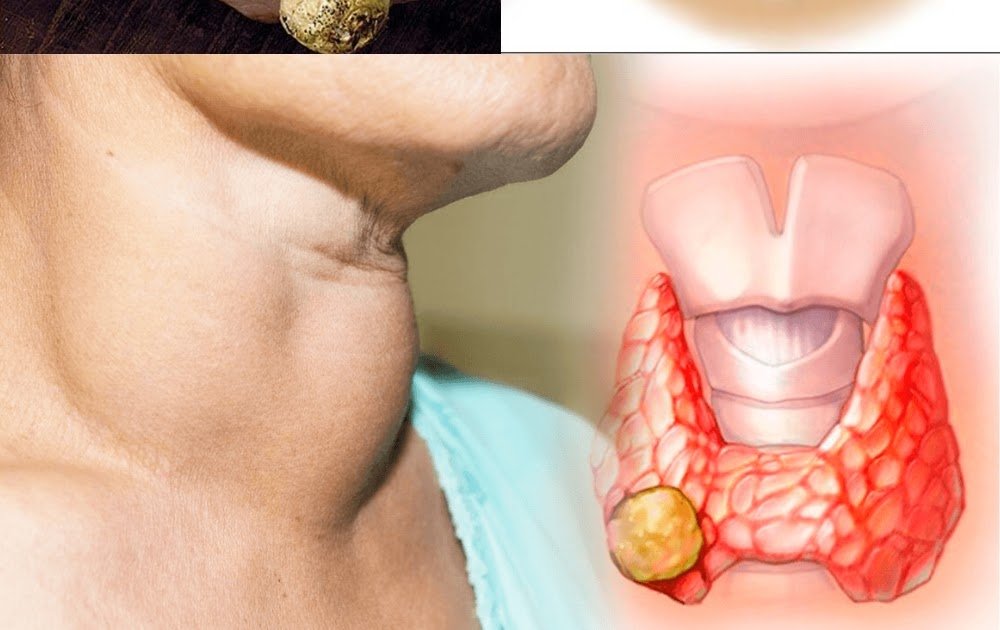

Your thyroid is a small but powerful gland that regulates metabolism, energy,
and hormone balance. When it doesn’t function properly—whether from
hypothyroidism, Hashimoto’s disease, or other thyroid issues—your diet can make a huge difference in how you feel.
Certain foods may
interfere with thyroid hormone production, absorption, or medication
effectiveness. If you’re managing thyroid problems, here are
19 foods you should limit or avoid.
1. Soy Products
Soy contains isoflavones,
compounds that may interfere with thyroid hormone absorption. Common sources
include soy milk, tofu, soy protein powder, and edamame.
2. Cruciferous Vegetables (Raw)
Broccoli, kale, cabbage, Brussels sprouts, and cauliflower are
goitrogenic foods, meaning
they may block thyroid hormone production when eaten raw in large amounts.
Cooking reduces their effect.
3. Gluten-Containing Grains
Gluten (found in wheat, barley, rye) can
trigger inflammation and
worsen symptoms in people with Hashimoto’s thyroiditis. Some patients find
relief with a gluten-free diet.
4. Processed Foods
Packaged snacks, fast food, and frozen meals are often
high in sodium. Since
hypothyroidism already increases the risk of high blood pressure, extra salt
can make it worse.
5. Sugary Foods
Cakes, candies, and sugary drinks cause
blood sugar spikes and energy crashes, which may worsen fatigue linked to hypothyroidism.
6. Fried and Fatty Foods
Trans fats and hydrogenated oils interfere with thyroid hormone production and
contribute to
weight gain and sluggish metabolism.
7. Coffee (Right After Medication)
Drinking coffee too soon after taking thyroid medication can
block absorption. Wait at
least 30–60 minutes before your first cup.
8. Alcohol
Alcohol can disrupt thyroid hormone balance and irritate the gland, worsening
symptoms over time.
9. Highly Processed Carbs
White bread, pastries, and pasta offer little nutrition and can cause
blood sugar fluctuations,
adding stress to the thyroid.
10. Fast Food Burgers & Fries
Often loaded with unhealthy fats, sodium, and additives—these foods slow down
digestion and may affect thyroid function.
11. Excess Fiber
While fiber is healthy,
too much fiber (especially
from supplements or high-fiber diets) can interfere with thyroid medication
absorption.
12. Certain Fruits (in Excess)
Strawberries, peaches, and pears also contain
goitrogens that may affect
thyroid hormone production if consumed in large quantities raw.
13. Shellfish (High in Iodine)
While iodine is essential for thyroid health,
too much iodine from
shrimp, lobster, or seaweed can worsen thyroid dysfunction.
14. Dairy (for Some People)
People with lactose intolerance or autoimmune thyroid issues may find dairy
worsens
inflammation and digestive discomfort.
15. Peanuts & Peanut Butter
Peanuts are mildly goitrogenic and may interfere with thyroid function in
sensitive individuals.
16. Highly Processed Meats
Sausages, bacon, and deli meats often contain
preservatives and nitrates,
which may disrupt hormone balance.
17. Soft Drinks & Energy Drinks
Loaded with sugar and caffeine, these can cause
fatigue, anxiety, and hormone imbalance.
18. Artificial Sweeteners
Aspartame and other artificial sweeteners may trigger
inflammatory responses in
people with autoimmune thyroid conditions.
19. Packaged Snack Foods
Chips, crackers, and instant noodles are
nutrient-poor, high in additives, and inflammatory, making hypothyroid symptoms worse.
Final Thoughts
If you’re living with hypothyroidism or thyroid issues, managing your diet is
just as important as taking medication.
Limit soy, gluten, processed foods, and high-iodine items, while focusing on a balanced diet rich in whole foods.
⚠️ Tip: Always take your
thyroid medication on an empty stomach with water, and wait at least 30
minutes before eating or drinking anything else.