 By admin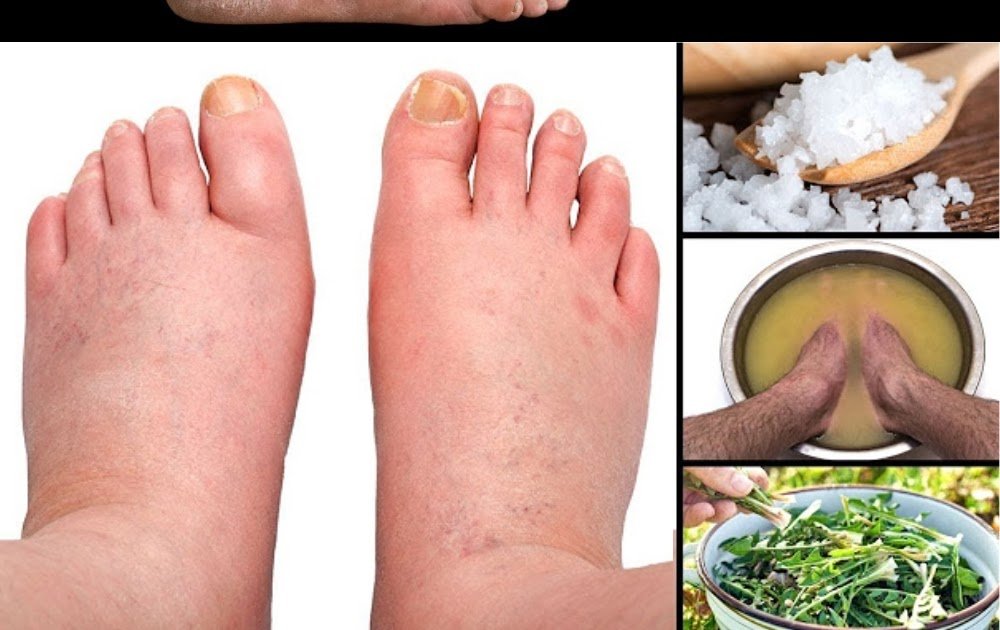
Swollen legs and feet can be more than just uncomfortable—they can
interfere with your daily life. Known medically as
edema, this condition often
happens when fluid builds up in your lower limbs. Causes range from long hours
of standing or sitting, hot weather, poor circulation, pregnancy, or even
underlying health conditions.
While medical attention is important for persistent or severe swelling, there
are also effective
natural remedies you can try
at home to ease discomfort and promote circulation.
Here are
10 natural ways to reduce swelling in legs and feet:

1. Elevate Your Legs
Raising your legs above heart level for 15–20 minutes helps fluid drain back
toward the heart. Use pillows or a leg wedge while lying down to reduce
swelling naturally.
2. Stay Hydrated
It may sound strange, but drinking enough water actually reduces fluid
retention. Dehydration makes your body hold onto excess fluids, so aim for at
least 8 glasses of water daily.
3. Massage Therapy
Gentle massage improves blood circulation and stimulates lymphatic drainage.
Use upward strokes with natural oils like coconut oil, olive oil, or magnesium
oil for extra benefits.
4. Epsom Salt Foot Soak
Soaking swollen feet in warm water mixed with Epsom salt for 15–20 minutes
helps draw out excess fluid, relax muscles, and reduce inflammation.
5. Compression Socks
Natural cotton or bamboo compression socks gently squeeze your legs, improving
circulation and preventing fluid from pooling in the lower limbs.
6. Exercise and Movement
Simple activities like walking, ankle rotations, or calf raises boost blood
flow. Even short stretches throughout the day can stop swelling caused by
sitting or standing too long.
7. Reduce Salt Intake
High sodium levels make the body retain water. Switch to herbs and spices for
flavoring meals instead of adding extra salt.
8. Herbal Teas and Diuretics
Herbs like
dandelion tea, parsley tea, or green tea
act as natural diuretics, encouraging the body to flush out extra fluids.
9. Cold Compress or Ice Packs
Applying a cold compress to swollen areas helps constrict blood vessels,
reduce inflammation, and ease discomfort quickly.
10. Maintain a Healthy Weight
Excess body weight puts more pressure on your veins, making fluid buildup more
likely. A balanced diet and regular activity can help keep swelling under
control long term.
Final Thoughts
Swelling in legs and feet can often be managed with simple, natural remedies.
By making small lifestyle changes—like staying hydrated, reducing salt, and
keeping active—you can find lasting relief.
If swelling appears suddenly, is painful, or comes with symptoms like chest
pain or shortness of breath,
seek medical help immediately
as it could signal a serious condition.