 By admin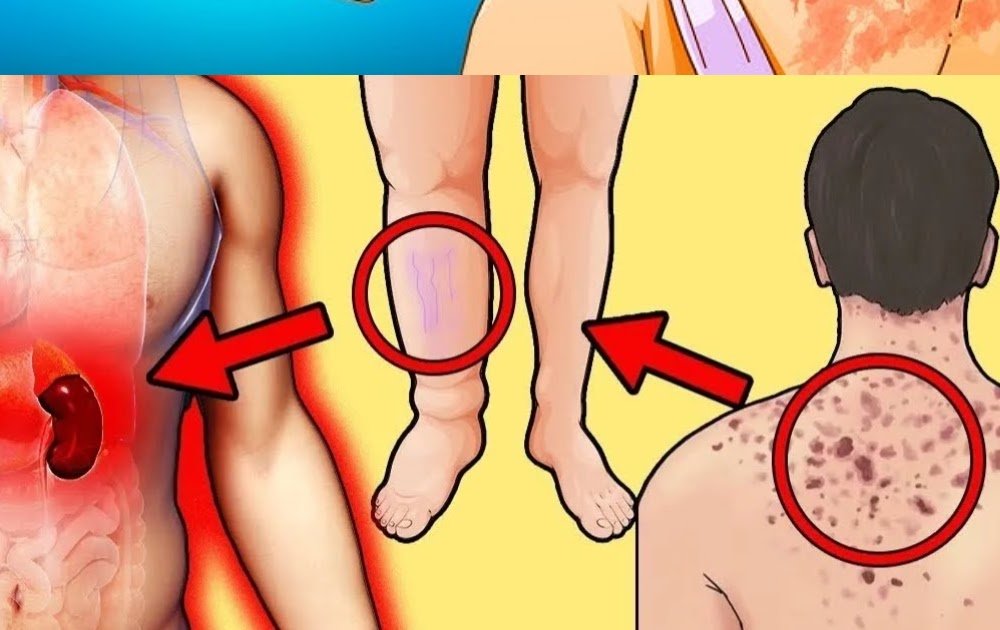

Your kidneys are two hardworking, bean-shaped organs that quietly keep your
body balanced every single day. They filter waste, regulate blood pressure,
balance electrolytes, and even help produce red blood cells. But when
something goes wrong, the signs are often subtle — until it’s too late.
Recognizing the early red flags can help protect your kidneys from long-term
damage.
Here are
23 signs your kidneys may be crying for help.
1. Persistent Fatigue
Kidneys help produce erythropoietin, a hormone that stimulates red blood cell
production. When kidney function declines, fewer red blood cells are made,
leading to anemia and constant tiredness.
2. Trouble Sleeping
Toxins build up in the blood when kidneys can’t filter properly. This can
disrupt sleep and even worsen conditions like sleep apnea.
3. Dry or Itchy Skin
Healthy kidneys keep minerals and nutrients balanced. If they’re struggling,
you may experience dry, itchy, or flaky skin due to imbalances in calcium and
phosphorus.
4. Frequent Urination at Night
Waking up often to urinate (nocturia) may signal kidney problems or urinary
tract issues.
5. Foamy or Bubbly Urine
Excess protein in the urine (proteinuria) can make it appear foamy, a warning
sign of kidney damage.
6. Swollen Ankles, Feet, or Hands
When kidneys fail to remove excess sodium and fluids, swelling (edema) occurs
in the extremities.
7. Puffy Eyes
Protein leakage in urine can cause puffiness around the eyes, often noticeable
in the morning.
8. High Blood Pressure
Kidneys regulate blood pressure. If they’re unhealthy, hypertension can
develop or worsen.
9. Shortness of Breath
Fluid buildup in the lungs or anemia from kidney disease can cause difficulty
breathing.
10. Metallic Taste in the Mouth
Waste accumulation can change taste perception, leaving a constant metallic
taste and bad breath (uremic fetor).
11. Loss of Appetite
Kidney-related toxin buildup often causes nausea and reduced appetite.
12. Muscle Cramps
Imbalances in electrolytes like calcium and potassium can trigger painful
muscle spasms.
13. Difficulty Concentrating
Poor kidney function leads to toxin buildup and anemia, which can reduce
oxygen flow to the brain, causing brain fog.
14. Cold Sensitivity
Even in warm environments, people with kidney problems may feel unusually cold
due to anemia.
15. Back or Side Pain
Pain in the lower back or sides could indicate kidney infection, stones, or
polycystic kidney disease.
16. Skin Discoloration
A grayish or yellowish tint may appear when waste accumulates in the body.
17. Constant Itching on the Back or Arms
Not just dry skin — persistent itching could be from waste buildup in the
bloodstream.
18. Sudden Weight Loss
Unexplained weight loss can be linked to nausea, vomiting, or reduced appetite
from kidney issues.
19. Nausea and Vomiting
High toxin levels may irritate the digestive system, leading to ongoing
nausea.
20. Bad Breath
Uremia can create an ammonia-like odor in the mouth.
21. Reduced Urine Output
Making less urine than normal can mean kidneys are shutting down.
22. Dark or Bloody Urine
Blood in urine (hematuria) or tea-colored urine often signals kidney damage or
infection.
23. Swelling Around the Abdomen
Severe fluid retention may cause bloating or swelling around the stomach area.
Protecting Your Kidneys
If you recognize several of these warning signs, don’t ignore them. Early
detection is key. Some simple ways to protect your kidneys include:
-
Staying hydrated
-
Eating a kidney-friendly diet (low sodium, moderate protein)
-
Controlling blood sugar and blood pressure
-
Avoiding overuse of painkillers and NSAIDs
-
Scheduling regular check-ups
Final Thoughts
Your kidneys rarely complain loudly until the damage is advanced. Paying
attention to these
23 subtle warning signs
could help you act early, seek medical advice, and protect your long-term
health.