 By admin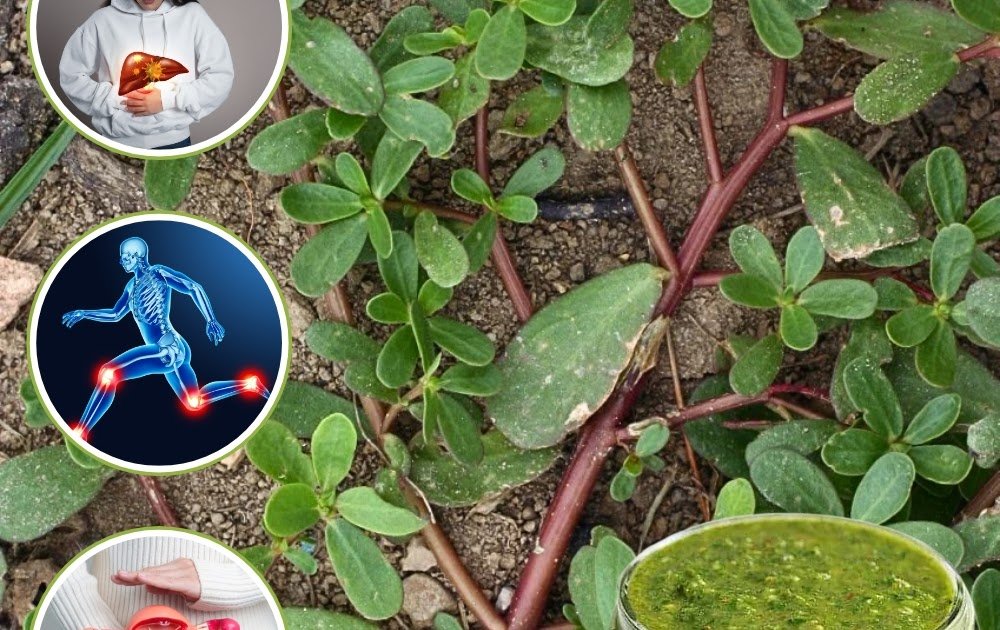
Purslane (Portulaca oleracea),
also called verdolaga, pigweed, or little hogweed, is a humble succulent plant
often considered a weed. But don’t be fooled — this leafy green is a
nutritional powerhouse loaded with omega-3 fatty acids, antioxidants,
vitamins, and minerals. For centuries, it has been used in traditional
medicine across Asia, the Middle East, and the Mediterranean.
Here are
25 science-backed health benefits of purslane
that will make you think twice before pulling it out of your garden.

1. Rich Source of Omega-3 Fatty Acids
Purslane contains alpha-linolenic acid (ALA), a plant-based omega-3 that
supports heart and brain health. It’s one of the best vegetarian sources
available.
2. Boosts Heart Health
With its omega-3s, magnesium, and potassium, purslane helps regulate blood
pressure, reduce cholesterol, and improve circulation.
3. Supports Weight Loss
Low in calories but high in fiber, purslane keeps you full longer and helps
reduce unhealthy snacking.
4. Loaded with Antioxidants
Vitamins A, C, and E plus glutathione and melatonin in purslane fight
oxidative stress and slow down aging.
5. Strengthens Bones
Purslane is a good source of calcium, magnesium, and phosphorus — all
essential for bone density and strength.
6. Improves Digestive Health
Its high fiber content promotes regular bowel movements and helps prevent
constipation.
7. Reduces Inflammation
Purslane’s omega-3s and flavonoids have anti-inflammatory effects that may
ease arthritis and joint pain.
8. Enhances Eye Health
The beta-carotene and vitamin A in purslane protect against age-related
macular degeneration and night blindness.
9. Supports Skin Health
Its antioxidants and omega-3s fight acne, eczema, and premature wrinkles while
promoting a glowing complexion.
10. Helps Control Blood Sugar
Studies suggest purslane may improve insulin sensitivity and lower fasting
blood sugar levels.
11. Strengthens Immunity
Vitamin C and essential minerals in purslane help your immune system fight
infections.
12. Protects the Liver
Purslane’s antioxidants may reduce liver fat, improve detoxification, and
protect against damage.
13. Improves Brain Function
ALA and other nutrients support memory, concentration, and overall cognitive
health.
14. Boosts Mood Naturally
Magnesium and omega-3s may reduce symptoms of anxiety, stress, and depression.
15. Promotes Healthy Sleep
Purslane contains melatonin, the natural “sleep hormone,” which regulates
sleep cycles.
16. Aids in Wound Healing
Traditionally, crushed purslane leaves have been applied topically to cuts,
burns, and insect bites.
17. Improves Respiratory Health
Purslane tea has been used in folk medicine to ease coughs, asthma, and
bronchitis.
18. May Reduce Cancer Risk
Its antioxidants and anti-inflammatory compounds may protect against certain
cancers.
19. Keeps Kidneys Healthy
Purslane has mild diuretic effects, helping flush toxins and excess fluids
from the body.
20. Supports Reproductive Health
Zinc and omega-3s in purslane contribute to hormone balance and fertility
support.
21. Hydrates the Body
With its high water content, purslane is a refreshing food that helps maintain
hydration.
22. Improves Hair Strength
The vitamins and minerals in purslane may reduce hair thinning and stimulate
growth.
23. Helps with Thyroid Function
Iodine and selenium in purslane support healthy thyroid hormone production.
24. Natural Source of Iron
Purslane provides plant-based iron that helps prevent fatigue and anemia.
25. Versatile Superfood
Beyond its medicinal value, purslane can be eaten raw in salads, stir-fried,
added to soups, or blended into smoothies.
Final Thoughts
Purslane may be a weed to some, but it’s actually a
nutrient-dense superfood
with countless health benefits. Adding it to your diet can improve heart
health, boost immunity, protect against inflammation, and even support skin
and hair vitality.
So next time you spot purslane in your garden, don’t toss it out — harvest it,
cook it, and enjoy its healing powers!