 By admin

Datura stramonium, often called jimsonweed or devil’s trumpet, has a
reputation that’s both fascinating and frightening. This plant, with its
striking trumpet-shaped flowers, has been used for centuries in traditional
medicine, yet it’s also linked to over 2,700 poisoning deaths in India alone
from 1950 to 1965. Packed with powerful compounds like atropine and
scopolamine, it offers potential health benefits but carries severe risks if
misused. Can this controversial herb be used safely, or is it too dangerous to
touch? This article explores five unexpected benefits of Datura stramonium,
backed by science, alongside critical cautions to keep you safe. Whether
you’re curious about its medicinal potential or wary of its toxic nature,
you’ll find practical insights to make informed decisions.
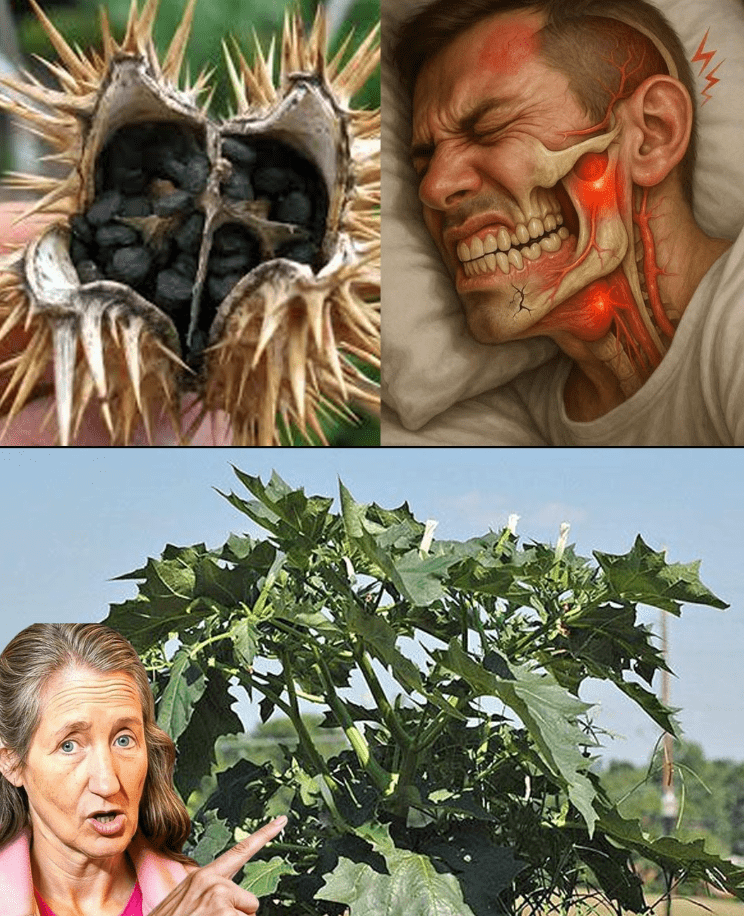
What Is Datura Stramonium?
Datura stramonium, a member of the Solanaceae family, is a wild-growing annual
plant found across the globe, from North America to Asia. Known as thorn apple
or jimsonweed, it thrives in temperate and tropical climates, often sprouting
along roadsides or in fields. Its leaves, seeds, and flowers contain potent
tropane alkaloids—chemicals responsible for both its medicinal effects and its
toxicity.
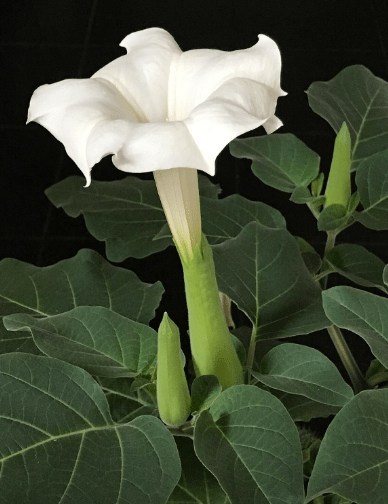
Historically, Datura has been used in Ayurvedic medicine, Native American
rituals, and even medieval European practices for its sedative and
hallucinogenic properties. However, its unpredictable potency makes it a
double-edged sword. Understanding its benefits and risks is crucial before
considering any use.
Top 5 Unexpected Benefits of Datura Stramonium
Despite its dangers, Datura stramonium has been studied for its
pharmacological potential. Here are five benefits backed by research, used
under strict professional supervision.
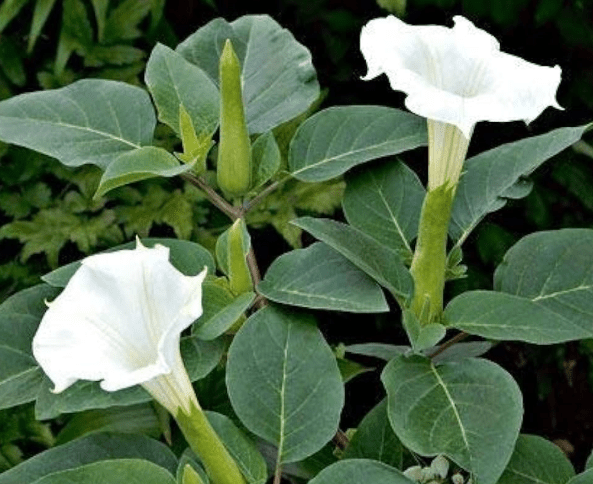
1. Asthma and Respiratory Relief
Datura stramonium has a long history as a remedy for respiratory issues. Its
alkaloids, particularly scopolamine, act as bronchodilators, relaxing airways
to ease breathing. In the 19th century, smoking dried Datura leaves was a
common asthma treatment, as noted in Henry Hyde Salter’s work on asthma. A
1979 study in Thorax confirmed
its bronchodilator effects, though modern treatments have largely replaced it
due to safety concerns.
Safe use tip: Only
use under medical supervision, as improper dosing can lead to severe side
effects.
2. Pain Relief and Muscle Relaxation
The plant’s alkaloids, like hyoscyamine, have analgesic and antispasmodic
properties. Traditional medicine used Datura to relieve joint pain, muscle
spasms, and menstrual cramps. A 2012 study in Asian Pacific Journal of Tropical Biomedicine highlighted its potential to reduce pain and relax muscles, making it a
candidate for topical applications in controlled settings.
Safe use tip:
Topical preparations, like pastes, may be safer than oral use but still
require expert guidance.
3. Antimicrobial and Anti-inflammatory Properties
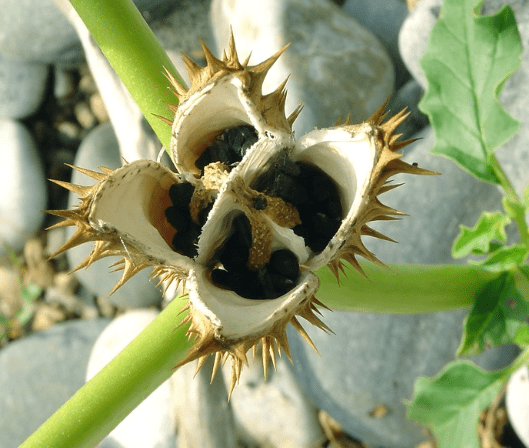
Datura stramonium extracts have shown promise against bacteria and fungi. A
2021 study in Antioxidants found that ethanolic leaf extracts were effective against pathogens
like Staphylococcus aureus and Pseudomonas aeruginosa. Its anti-inflammatory
properties may also help with conditions like rheumatism or swelling, as noted
in traditional uses across India and Ethiopia.
Safe use tip:
Never self-administer; antimicrobial effects are best harnessed in
lab-controlled pharmaceutical preparations.
4. Treatment for Skin Conditions
In some cultures, Datura has been applied topically to treat wounds, ulcers,
and skin infections. Its antimicrobial and anti-inflammatory compounds can
promote healing when used correctly. For example, a traditional remedy in
India involves mixing Datura leaf juice with sesame oil to treat earaches or
boils, as documented in ethnobotanical studies.
Safe use tip: Use
only under professional supervision to avoid skin absorption of toxic
alkaloids.
5. Sedative and Sleep Aid
Datura’s sedative properties, driven by its anticholinergic alkaloids, have
been used to induce sleep or reduce anxiety in traditional medicine. A 2021
study in PMC noted that low
doses of Datura metel seed extracts showed neurological effects, including
reduced sleep latency in rats. However, its use as a sedative is highly risky
due to its narrow therapeutic window.
Safe use tip:
Safer alternatives like chamomile or valerian are recommended for sleep
support.
| Benefit | Key Compound | Potential Use | Source |
|---|---|---|---|
| Asthma Relief | Scopolamine | Bronchodilator | Thorax, 1979 |
| Pain Relief | Hyoscyamine | Analgesic, antispasmodic | Asian Pac J Trop Biomed, 2012 |
| Antimicrobial | Alkaloids, flavonoids | Fights bacteria, fungi | Antioxidants, 2021 |
| Skin Healing | Alkaloids | Treats wounds, infections | Ethnobotanical studies |
| Sedative | Scopolamine | Induces sleep, reduces anxiety | PMC, 2021 |
Critical Risks of Datura Stramonium
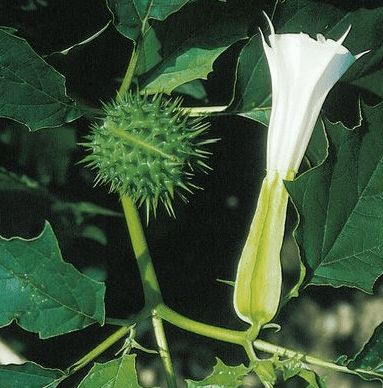
Datura stramonium is not a casual herb. Its tropane alkaloids—atropine,
scopolamine, and hyoscyamine—are highly toxic and can cause severe
anticholinergic syndrome. A 2017 case report in PMC described a 22-year-old who fell into a coma after ingesting Datura
seeds, experiencing fever, tachycardia, and delirium. Here are the key risks:
-
Hallucinations and Delirium: Datura induces vivid, often terrifying hallucinations indistinguishable
from reality. A 2023 Tripsitter article called it a “72-hour psychedelic nightmare.” -
Anticholinergic Syndrome: Symptoms include dry mouth, blurred vision, rapid heartbeat, fever, and
seizures. Severe cases can lead to coma or death. -
Organ Damage: A
2011 study on rats showed that high doses caused liver, spleen, and brain
damage. -
Accidental Poisoning: A 2024 case in International Journal of Emergency Medicine reported a toddler poisoned by Datura seeds, highlighting its danger
to children. -
Drug Interactions: Datura can interfere with heart or nervous system medications, amplifying
risks.
The plant’s toxicity varies by part, season, and even individual plants,
making safe dosing nearly impossible without expert oversight.
Safe Use Guidelines: Proceed with Extreme Caution
Datura stramonium is not safe for self-administration. Its benefits are only
accessible under strict professional supervision due to its unpredictable
potency. Here are critical guidelines:
- Never self-treat: Always consult a qualified healthcare provider or herbalist before use.
-
Avoid ingestion:
Oral consumption, including teas or seeds, is highly dangerous due to
variable alkaloid levels. - Use protective gear: Wear gloves when handling to prevent skin absorption of toxins.
-
Store securely:
Keep Datura plants or products away from children and pets. -
Seek safer alternatives: For asthma, pain, or sleep issues, opt for well-studied options like
inhalers, ibuprofen, or chamomile. -
Know the signs of poisoning: Watch for dry mouth, dilated pupils, confusion, or rapid heartbeat, and
seek immediate medical help if suspected.
Who Should Avoid Datura Stramonium?
Certain groups face higher risks from Datura’s toxic effects:
- Pregnant or breastfeeding women: Alkaloids may harm the fetus or infant.
- People with heart conditions: Datura can cause tachycardia or arrhythmias.
- Those with glaucoma: It may worsen narrow-angle glaucoma by dilating pupils.
- Individuals with psychiatric disorders: Datura can exacerbate psychosis or anxiety.
-
Children: Even
small amounts can be lethal, as seen in pediatric poisoning cases.
Real-Life Case: A Close Call with Datura
In 2020, a family in India accidentally consumed Datura seeds mixed with their
food, mistaking them for spices. As reported in Current Health Sciences Journal, all members experienced hallucinations, confusion, and rapid heartbeats.
Prompt medical intervention with activated charcoal and supportive care saved
them, but their ordeal underscores Datura’s dangers. This case highlights the
importance of awareness and caution, especially in areas where Datura grows
wild.
How to Stay Safe While Exploring Herbal Remedies
Datura’s allure lies in its historical and medicinal mystique, but its risks
far outweigh its benefits for most people. To safely explore herbal remedies:
- Research thoroughly: Stick to well-documented herbs with established safety profiles.
-
Consult experts:
Work with a doctor or certified herbalist for guidance. -
Start small: If
using any new herb, test in low doses under supervision. - Monitor your body: Stop use and seek help if you notice unusual symptoms.
-
Educate others:
Share knowledge about toxic plants like Datura to prevent accidents.
FAQ: Common Questions About Datura Stramonium
accordion
Can Datura stramonium be used safely for medicinal purposes?
Only under strict medical supervision. Its
toxic alkaloids make self-administration extremely risky.
What are the main benefits of Datura stramonium?
It may help with asthma, pain, infections,
skin conditions, and sleep, but only in controlled settings.
What are the signs of Datura poisoning?
Symptoms include dry mouth, dilated
pupils, hallucinations, confusion, rapid heartbeat, and seizures.
Is Datura legal to grow or use?
It’s legal in most places but banned for
non-medical use in some areas, like California. Always check local laws.
Are there safer alternatives to Datura?
Yes, herbs like chamomile, turmeric, or
ginger offer similar benefits with lower risks.
Disclaimer: This
article is for educational purposes only and does not replace professional
medical advice. Consult your healthcare provider before considering Datura
stramonium or any herbal remedy, especially due to its high toxicity.