 By admin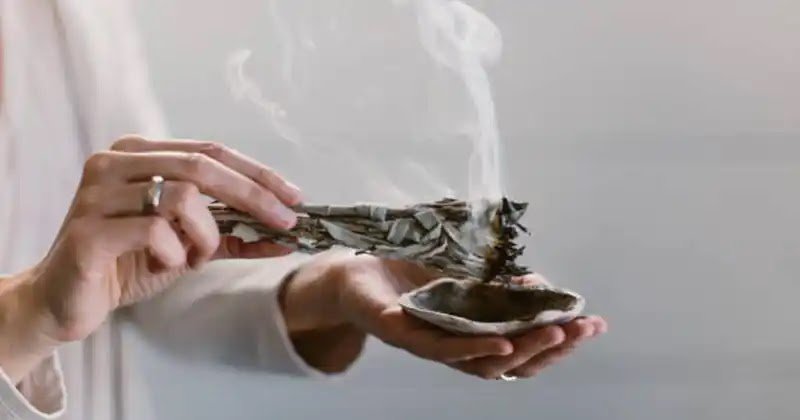
For thousands of years, people around the world have burned herbs for
spiritual, emotional, and physical cleansing. One of the most well-known
herbs used for this purpose is sage. Burning sage—also called smudging—is a simple ritual that many believe clears negative energy, improves
mood, and even helps purify the air. If you’re new to this practice, this
guide will walk you through everything you need to know.
What Is Sage and Why Do People Burn It?
Sage is a plant, and one of the most commonly used types for burning
is white sage (Salvia apiana). Native to
North America, especially the southwestern United States, white sage has long
been used by Indigenous peoples in ceremonies and healing rituals.
Burning sage is believed to release its essential oils and chemical compounds into the air, producing effects that are physical, mental, and
spiritual. It’s not just about the scent—it’s about intention, energy, and
creating space for better well-being.
Top 12 Benefits of Burning Sage
1. Cleansing Negative Energy
One of the most common reasons people burn sage is to remove unwanted or stagnant energy from a room, object, or person. Many believe sage helps reset the
emotional tone of a space, especially after conflict, illness, or stress.
2. Boosting Mood and Reducing Anxiety
Studies suggest that burning certain herbs, including sage, may
release negative ions, which are linked to feelings of well-being. People report feeling calmer and more centered after smudging.
3. Purifying the Air
Sage smoke may help neutralize airborne bacteria. Some scientific studies have found that herbal smoke can clear up to 94% of
airborne bacteria in a room. This makes sage useful in naturally freshening
the air.
4. Improving Sleep
Because it calms the mind and reduces tension, many people use sage before bed
to relax and prepare for deeper sleep. Burning sage can help create a peaceful nighttime routine.
5. Supporting Spiritual Practices
Smudging is often used during meditation, prayer, or personal reflection. The
ritual of lighting sage and letting the smoke surround you can help
you focus, stay grounded, and feel spiritually connected.
6. Enhancing Intuition and Mental Clarity
Practitioners believe sage can sharpen awareness and increase mental clarity, especially during meditation or important decision-making. It’s often used
before tarot readings, journaling, or creative work.
7. Setting Intentions
When burning sage, many people take a moment to set a clear intention—for peace, healing, or letting go of stress. This mindful practice helps
direct your thoughts and energy toward something positive.
8. Reducing Allergens in the Air
While sage itself may not cure allergies, burning it can reduce the amount
of dust, mold, and pet dander in the air. This might offer minor relief for allergy sufferers.
9. Uplifting Energy After Illness
After recovering from a cold, flu, or difficult time, burning sage can
symbolically cleanse the energy of the room, helping you feel refreshed and renewed.
10. Cleansing Objects
Sage isn’t just for rooms—it can also be used to cleanse crystals, jewelry, books, and even clothing. If you’ve purchased something second-hand or received a gift, smudging it
with sage may help clear lingering energy.
11. Connecting With Ancient Traditions
By practicing smudging respectfully, you’re tapping into generations of wisdom and spiritual traditions. It’s a way to slow down and reconnect with nature and yourself.
12. Creating a Calming Ritual
Routines are powerful. The simple act of lighting sage, breathing deeply, and
taking a moment of silence becomes a ritual of self-care, helping your mind and body relax.
How to Burn Sage: Step-by-Step for Beginners
-
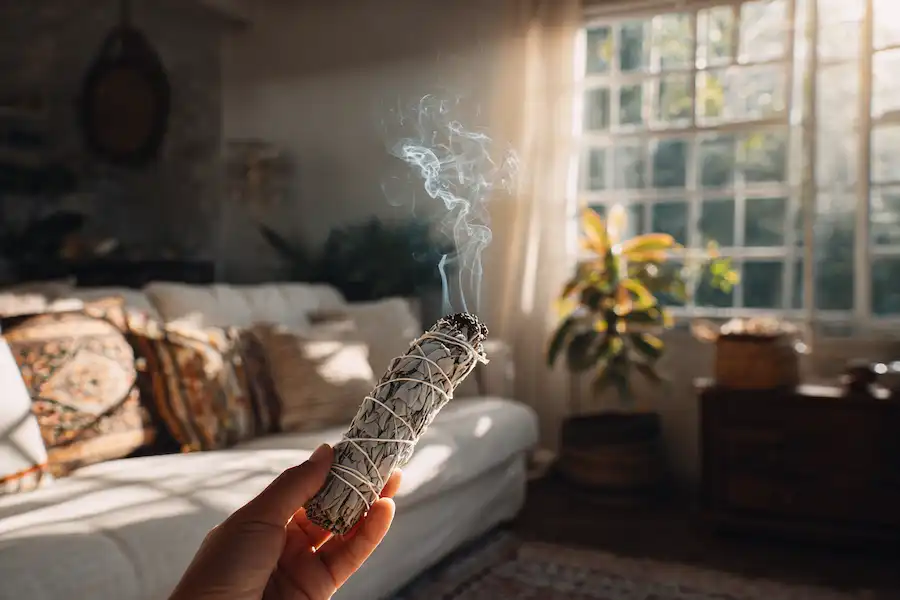
Choose Your Sage Bundle
Most people use dried white sage, which is available in stick form (often called a smudge stick). You can
find it at natural stores or online. -
Open a Window or Door
This allows the smoke—and the energy
you’re clearing—to leave the space. It also ensures you don’t breathe in too
much smoke. -
Light the Tip
Use a match, lighter, or candle to
light the tip of the sage. Let it burn for a few seconds, then gently blow it out so it smolders and releases smoke. -
Walk Around Your Space
Hold the sage at a 45° angle in
a fireproof bowl or shell to catch ashes. Slowly walk around your space, gently waving the
smoke into corners, closets, doorways, and mirrors. Visualize negative
energy leaving. -
Cleanse Yourself or Objects
Wave the smoke around your body or
over an item while focusing on your intention. -
Extinguish Properly
Press the smoking end of the sage
into a bowl of sand, dirt, or fireproof surface until the smoke
stops. Never leave it burning unattended.
Tips for a Safe and Respectful Practice
-
Be mindful of allergies or asthma: Sage smoke may irritate sensitive lungs. Burn in a well-ventilated area
and avoid inhaling it directly. - Practice with intention: Don’t just burn sage randomly—set a clear purpose or reason.
-
Be respectful of its cultural origins: Sage smudging is rooted in Native American traditions. While many people
now use sage spiritually, it’s important to practice with humility and respect, not as a trend. - Store sage in a dry place: Moisture can prevent it from burning properly.
-
Don’t overdo it: Burning sage occasionally is more powerful than doing it too frequently.
Let your intuition guide you.
Burning sage is a simple but meaningful practice that can help clear your
space, calm your mind, and restore balance in your life. Whether you’re
seeking spiritual clarity, better sleep, or just a fresh start, sage may offer
a peaceful moment in your daily routine.
As with any natural or spiritual practice, go slowly, be open, and trust your
own experience. What matters most is your intention and how it makes you feel.
Disclaimer: While burning sage can offer mental and emotional benefits, it is not a
substitute for medical treatment. Always consult a healthcare provider for
physical or mental health concerns.