 By admin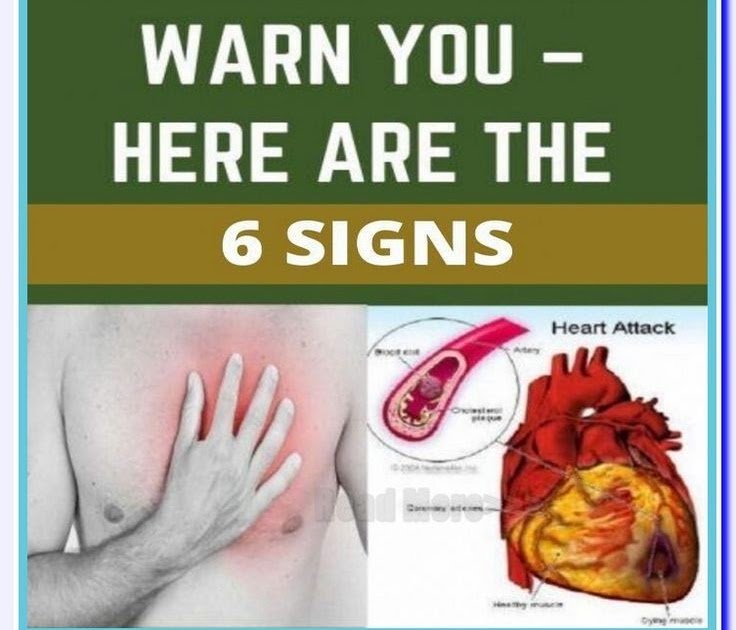
Heart disease remains one of the leading causes of death worldwide, but
the body often sends signals before a major event like a heart attack.
Recognizing these early signs can help you act quickly, seek medical advice,
and possibly prevent a life-threatening emergency.
Here are six common warning signs that may appear up to one month before a
heart attack:

1. Chest Discomfort or Pressure
The most common red flag is chest pain or pressure. It may feel like a
squeezing, fullness, or burning sensation in the center of the chest. This
discomfort might come and go, especially after physical activity, and should
never be ignored.
2. Shortness of Breath
If you find yourself out of breath after light activity or even while resting,
it could signal that your heart isn’t pumping efficiently. This symptom often
appears weeks before a heart attack, especially when paired with fatigue or
chest discomfort.
3. Unusual Fatigue
Extreme tiredness without a clear reason is another common warning sign. Many
people, especially women, report feeling drained or exhausted in the days or
weeks leading up to a heart attack, even when getting enough sleep.
4. Dizziness or Lightheadedness
Feeling faint or dizzy may indicate that your brain isn’t receiving enough
oxygen-rich blood. This can happen when arteries are blocked or narrowed,
reducing circulation to vital organs.
5. Pain in Other Parts of the Body
Not all heart attack pain is confined to the chest. Some people experience
discomfort in the arms, shoulders, back, neck, jaw, or even the stomach. This
“radiating pain” is a classic warning sign of heart trouble.
6. Cold Sweats and Nausea
Breaking out in a cold sweat, feeling clammy, or experiencing nausea can be
your body’s response to stress on the heart. These symptoms are easy to
dismiss as flu or anxiety, but combined with other signs, they may point to a
cardiac event.
What to Do If You Notice These Symptoms
If you experience one or more of these signs, don’t wait. Seek medical
attention immediately. Early diagnosis and treatment can save your life.
Maintaining a healthy lifestyle—balanced diet, regular exercise, stress
management, and quitting smoking—also lowers your risk significantly.
Final Thoughts
Your body often gives you a warning before a heart attack. Learning to
recognize the
six early signs—chest
discomfort, shortness of breath, fatigue, dizziness, body pain, and cold
sweats—can make all the difference. Don’t ignore the signals; listen to your
body and take action.