 By admin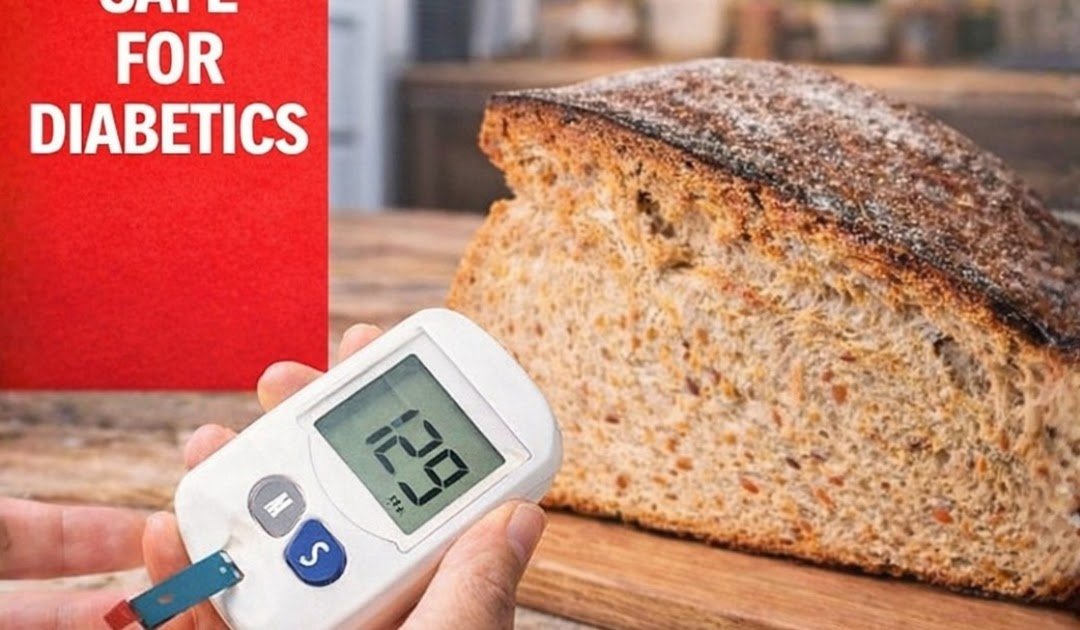

Bread doesn’t have to be off limits if you’re watching your blood sugar. Many traditional white or refined breads cause rapid glucose spikes and later energy crashes — leaving you tired, irritable, or craving sweets. But with the right choices, you can still enjoy delicious bread and keep your blood sugar stable.
In this guide, we’ll explain eight types of bread that slow down how quickly carbs turn into sugar in your blood, plus simple tips for pairing them into balanced meals.
1. Oat Bread — The Top Choice for Stable Blood Sugar
Oat bread tops the list thanks to beta-glucans, a type of soluble fiber that slows digestion and glucose absorption. This helps keep your blood sugar from spiking too quickly after eating.
How to enjoy it:
Toast it with natural peanut butter and sliced banana for a tasty, filling breakfast.
2. 100% Whole-Grain Bread — Real Whole Grains Only
Not all whole wheat breads are created equal — look for loaves where whole grains are the first listed ingredient and each slice has at least 3–4 g of fiber. The fiber slows digestion and keeps sugar absorbed more slowly into your bloodstream.
Tip: Pair with veggies and lean protein to further balance your meal.
3. Flaxseed Bread – Fiber + Healthy Fats
Flaxseed bread combines soluble fiber and omega-3 fatty acids, which help slow carbohydrate breakdown and support both satiety and stable glucose.
Pro idea: Add fresh cucumber and low-fat cheese for a refreshing lunch.
4. Quinoa Bread — Complete Protein and Fiber
Quinoa adds both fiber and complete protein to bread. These nutrients make meals more satisfying and help reduce post-meal sugar spikes.
Serve with: Scrambled eggs and avocado for a nutrient-packed breakfast toast.
5. Sprouted Grain Bread — Easier to Digest
Sprouted grains are soaked until they germinate, which changes their structure and makes carbs easier to digest while still releasing glucose slowly. This helps prevent sharp blood sugar rises compared with refined breads.
Tip: Look for labels that say “sprouted whole grains” rather than just “whole grain.”
6. Authentic Sourdough — The Power of Fermentation
True sourdough bread is naturally fermented using wild yeast and bacteria. The fermentation process breaks down some starches and slows carbohydrate absorption — which may result in lower blood sugar spikes than typical white bread.
Best paired with: Lean turkey and fresh greens for a balanced sandwich.
7. Seeded Multigrain Bread — Fiber, Protein & Healthy Fats
Seeded multigrain breads often include seeds like flax, chia, and sunflower. These add fiber, protein, and healthy fats — all of which help slow glucose release into your blood.
Try this: Toast with mashed avocado and a sprinkle of flax seeds for extra heart-healthy benefits.
8. Gluten-Free Whole Grain Bread — Good When Well Made
Gluten-free bread can be a smart choice only if it’s made from whole grains like brown rice, millet, buckwheat, or seeds — not just starches. These ingredients boost fiber and slow carbohydrate absorption.
Be careful: Many gluten-free loaves are highly processed and act more like white bread, so always read ingredients carefully.
Tips for Stable Blood Sugar When Eating Bread
Choosing the right bread is only part of the strategy. Here are simple habits that make a big difference:
-
Combine bread with protein, healthy fats, and vegetables. This slows digestion even more and helps keep your blood sugar steady.
-
Watch portion sizes. Even healthy breads contain carbohydrates, so balance your meal.
-
Read the label. Avoid added sugars and refined flours.
Final Thoughts
Bread doesn’t need to be “off the menu.” By choosing higher-fiber, lower-GI options like oat, sprouted grain, sourdough, and seeded breads, you can enjoy your favorite flavors while keeping blood sugar more stable. Pair them with protein and veggies for steady energy and fewer cravings throughout the day.