 By admin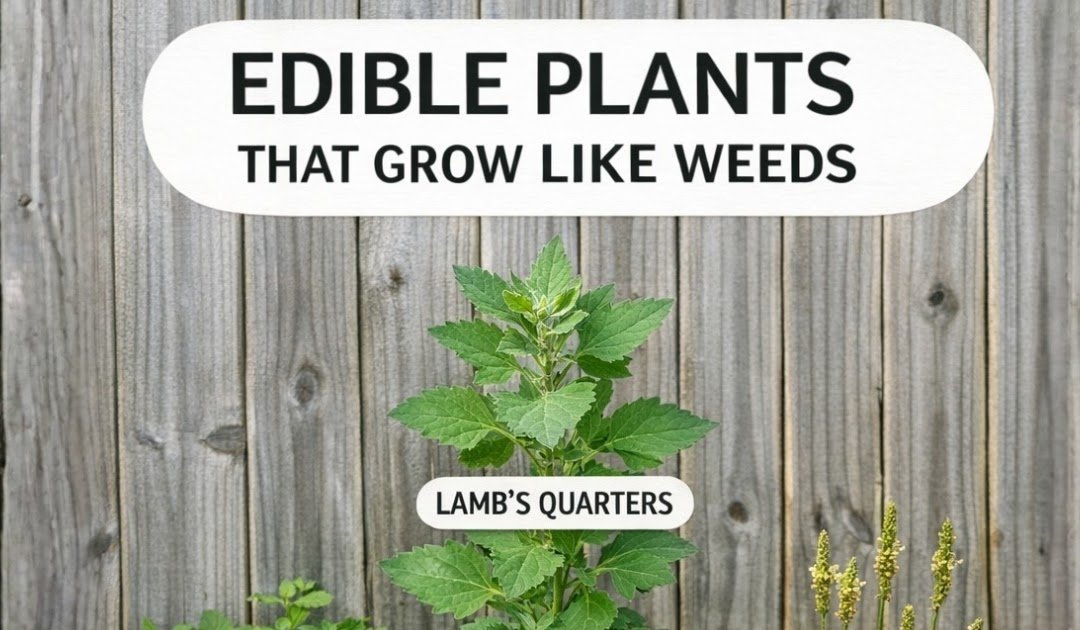
When you look at your backyard or garden, you probably see weeds—plants that pop up everywhere and refuse to go away. But what if many of those “weeds” were actually useful, edible, and traditionally valued plants?
All around the world, people have used common wild plants for food and simple home remedies for centuries. Today, many of these plants still grow quietly in lawns, gardens, and along fences—often ignored or pulled out without a second thought.
In this article, we’ll explore some of the most common edible plants that grow like weeds, why people care about them, and how to think about them in a smart, safe way.
Important note: This article is for educational purposes only. Always make sure a plant is correctly identified and safe before eating it, and don’t treat this as medical advice.

The “Weeds” You See Every Day Might Be Useful
Modern gardening culture often focuses on perfect lawns and tidy flower beds. Anything that grows fast and spreads easily gets labeled a weed. But in reality, many of these plants are:
-
Edible
-
Nutrient-rich
-
Traditionally used in herbal cooking or folk remedies
-
Extremely easy to grow
The funny part? You don’t need to plant them. They grow on their own.
Let’s look at some of the most common ones you might already have in your garden.
1. Dandelion: More Than Just a Lawn Nuisance
Dandelions are everywhere. Most people spend years trying to get rid of them, but this bright yellow plant has a long history of use as food.
-
Edible parts: Leaves, flowers, and roots
-
How people use it: Salads, teas, and even dandelion “coffee” made from roasted roots
-
Why it’s popular: The leaves are bitter but nutrient-dense, and the flowers are often used in simple homemade recipes
In many cultures, dandelion is not a weed—it’s a wild green vegetable.
2. Plantain: Not the Banana You’re Thinking Of
This is not the sweet plantain fruit. Plantain weed (Plantago) is a very common plant with long, ribbed leaves that grows in yards, paths, and gardens.
-
Edible parts: Young leaves and seeds
-
How people use it: Cooked greens, teas, or added to soups
-
Why people notice it: It’s tough, hardy, and grows almost anywhere
Historically, plantain has been one of those “always around” plants that people learned to use simply because it was easy to find.
3. Lamb’s Quarters: A Wild Spinach Look-Alike
Lamb’s quarters is often pulled out of gardens because it grows fast and tall. But in many places, it’s actually treated like a wild vegetable.
-
Edible parts: Leaves and young shoots
-
Taste: Similar to spinach when cooked
-
Why gardeners ignore it: It self-seeds easily and can take over garden beds
In reality, lamb’s quarters is one of those plants that shows how thin the line is between “weed” and “vegetable.”
4. Purslane: A Ground-Hugging Super Survivor
Purslane spreads low across the ground and thrives in hot, dry conditions where many other plants struggle.
-
Edible parts: Leaves and stems
-
Taste: Slightly sour and crunchy
-
Why it’s interesting: It’s known for being especially rich in certain nutrients compared to many common vegetables
In some countries, purslane is sold at markets as a normal food—not a weed at all.
5. Wood Sorrel: The Little Plant With a Tangy Bite
Wood sorrel looks a bit like clover, but it has heart-shaped leaves and small yellow flowers.
-
Edible parts: Leaves, flowers, and seed pods
-
Taste: Light, lemony, and sour
-
How people use it: Garnishes, salads, or small amounts in recipes for flavor
It’s a great example of how tiny, overlooked plants can still be useful and interesting in the kitchen.
6. White Clover: The Familiar Lawn Guest
White clover is everywhere—parks, lawns, fields, and gardens.
-
Edible parts: Flowers and young leaves
-
How people use it: Teas, simple snacks, or mixed into salads
-
Why it matters: It’s one of the easiest plants to recognize and one of the most common
For many people, clover is the first “wild edible” they ever learn about.
Why These Plants Keep Coming Back
These plants are tough. They survive heat, poor soil, mowing, and neglect. That’s exactly why they grow so well without help.
From a different point of view, that makes them:
-
Low-maintenance
-
Free
-
Easy to find
-
Naturally adapted to your local environment
In other words, your garden might already be growing useful plants—you just never labeled them that way.
A Quick Word About Safety
Before eating or using any wild plant, always remember:
-
Correct identification is critical – Some plants look similar but are not safe.
-
Avoid polluted areas – Don’t harvest near roads, sprayed lawns, or dirty soil.
-
Start small – Even edible plants can cause issues for some people.
-
This is not medical advice – Don’t replace real treatment with internet tips.
Learning about plants is fun and useful, but it should always be done carefully and responsibly.
So… Is Your Garden Secretly a Mini Herb Garden?
Chances are, yes—at least a little.
Dandelion, plantain, purslane, lamb’s quarters, wood sorrel, and white clover are just a few examples of plants that many people pull out without realizing their value. Around the world, these same plants are treated as food, traditional herbs, or useful wild greens.
The next time you look at your garden, you might see more than just weeds. You might see a collection of tough, useful plants that have been quietly growing there all along.
Sometimes, the most interesting things aren’t the ones we plant—they’re the ones that show up on their own. 🌱