 By admin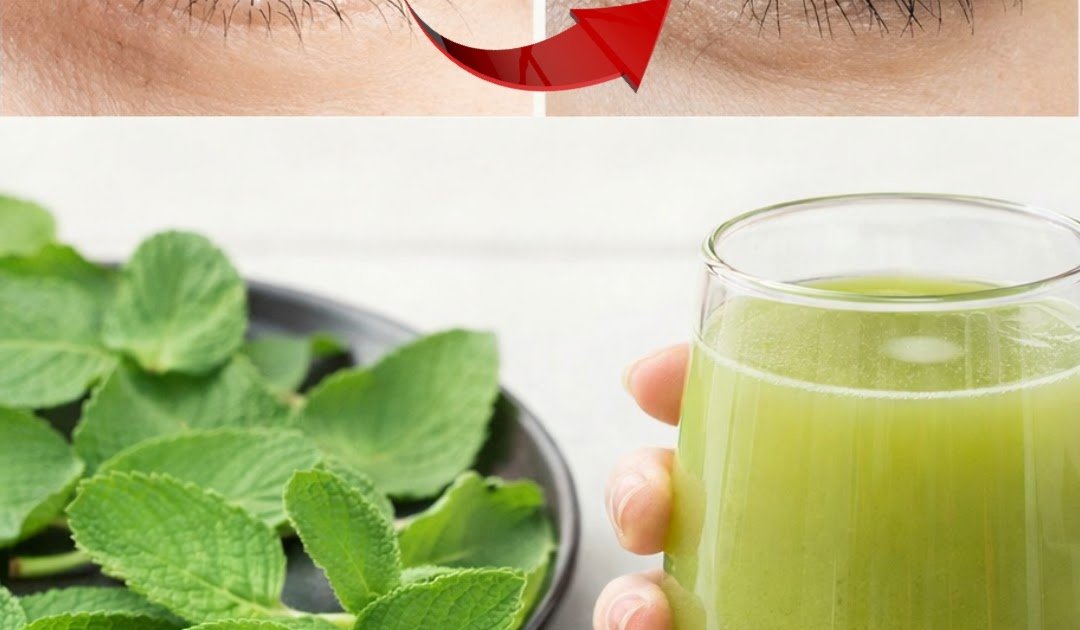
February 2, 2026
More and more people are looking for gentle, natural ways to care for their eyes—especially in a world where screens, stress, and long hours of focus are part of everyday life. Alongside regular eye checkups and healthy habits, herbal traditions are gaining attention for their potential to support eye comfort, clarity, and long-term wellness.
One plant that keeps coming up in traditional remedies is oregano brujo, also known as Cuban oregano, Indian borage, or Plectranthus amboinicus. With its thick, aromatic leaves and long history in folk medicine across Asia and Latin America, this plant is often praised for its antioxidant and anti-inflammatory properties—two qualities that matter a lot when it comes to eye health.
Let’s explore what this plant is, why people use it, and how it’s traditionally prepared—while also being clear about what it can and cannot do.

🌿 What Is Oregano Brujo?
Oregano brujo (Plectranthus amboinicus) is a leafy, fragrant plant commonly used in home remedies. It’s related to mint and oregano, and its leaves are rich in:
-
Vitamin A and carotenoids, which are important for normal vision and eye surface health
-
Antioxidant compounds, which help protect cells from oxidative stress
-
Anti-inflammatory components, traditionally used to calm irritated tissues
In many cultures, this plant has been used in teas or infusions to support breathing, digestion, skin health—and yes, general eye comfort.
👁️ Potential Benefits for Eye Health
While no herb can replace glasses, surgery, or medical treatment, oregano brujo is often used as a supportive remedy. People who use it traditionally report benefits such as:
-
Supporting overall eye nutrition thanks to vitamin A content
-
Helping soothe tired or irritated eyes
-
Promoting better circulation, which is important for retinal health
-
Supporting the body’s natural defense against oxidative stress
It’s important to be clear: this plant does not cure cataracts, reverse serious vision problems, or replace professional eye care. Think of it as part of a broader, healthy lifestyle for your eyes—not a miracle fix.
🧪 A Traditional Herbal Infusion (For General Wellness)
In many households, oregano brujo is prepared as a simple herbal infusion. Here’s a commonly shared traditional method:
Ingredients:
-
4–5 fresh, clean oregano brujo leaves
-
1 cup of hot water
-
(Optional) A small piece of rock sugar or a tiny pinch of alum
-
(Optional) A few drops of lime juice for flavor
Preparation:
-
Wash the leaves thoroughly with clean water.
-
Bring one cup of water to a boil, then turn off the heat.
-
Add the leaves, cover, and let them steep for about 10 minutes.
-
Strain the liquid. Add the optional sweetener if desired.
-
Let it cool until warm before use.
🧴 How People Traditionally Use It
Internal use (as a tea):
Some people drink one cup a day, often in the morning, for short periods (for example, 1–2 weeks), as part of a general wellness routine.
External use (with caution):
In traditional practice, the cooled infusion is sometimes used to gently moisten a cotton pad and placed over closed eyelids for a few minutes to help relax tired eyes.
⚠️ Very important:
-
Do not put any liquid directly into open eyes unless a medical professional has told you it’s safe.
-
The eye is extremely sensitive, and improper use can cause irritation or infection.
-
If you have eye pain, infection, recent surgery, or vision changes, do not try home remedies—see an eye doctor.
✨ What Benefits Might People Notice?
When used carefully and as part of a healthy routine, some people report:
-
Eyes feeling less tired after long periods of reading or screen use
-
Less dryness or mild irritation
-
A general sense of eye comfort and relaxation
-
Better awareness of eye care and daily habits
Again, these are supportive effects, not medical treatments.
🥗 Don’t Forget the Basics of Eye Health
No herb can replace these proven habits:
-
Eat foods rich in vitamin A, C, E, lutein, and omega-3s
-
Take regular breaks from screens (the 20-20-20 rule helps)
-
Get enough sleep
-
Protect your eyes from strong sunlight
-
Have regular eye exams, especially if you already wear glasses or have eye issues
Herbs can support your routine—but they should never replace professional care.
⚠️ Safety First
-
This remedy is not a substitute for medical treatment.
-
Do not use it if you have an active eye infection, eye injury, or recent eye surgery without medical advice.
-
If you feel burning, pain, or discomfort, stop immediately.
-
Always talk to an eye care professional before trying anything new around your eyes.
📌 Conclusion
Oregano brujo is a fascinating plant with a long history in traditional medicine and some promising nutritional properties. When used responsibly, it may help support eye comfort and overall wellness—but it’s not a cure for serious eye conditions, and it won’t magically eliminate the need for glasses or medical treatment.
Your eyes deserve daily care, smart habits, and professional attention when needed. Natural remedies can be a gentle complement, not a replacement.
If you’re curious about herbal wellness, start slow, stay informed, and always put safety first. Clear vision is a long-term investment—and your eyes are worth it.