 By admin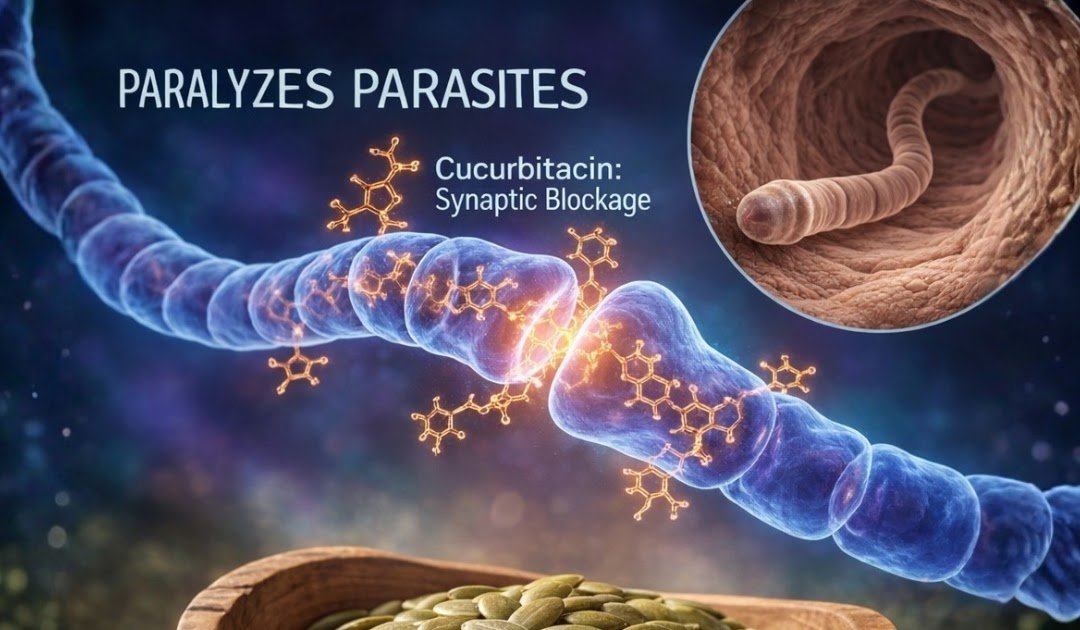

Have you ever felt hungry even after you just ate—like the craving isn’t really yours? Some traditional health systems have long believed that certain unusual cravings can be influenced by imbalances inside the body, including unwanted organisms that thrive on sugar and refined carbohydrates.
While modern medicine treats parasitic infections with specific medications, many cultures have also used foods and herbs to support digestive balance. One of the most famous examples is pumpkin seeds—a simple, affordable food with a surprisingly interesting history in natural health.
In this article, we’ll explore:
-
Why pumpkin seeds have been linked to digestive health for centuries
-
What cucurbitin is and why it matters
-
How traditional systems explained the “mechanism” behind pumpkin seeds
-
What modern readers should know before trying any home-based approach
Important note: This article is for educational purposes only. It does not replace medical diagnosis or treatment. If you suspect a parasite or have persistent digestive symptoms, you should talk to a healthcare professional.
The Hidden Battle Behind Unexplained Cravings
Across different cultures, there’s an old idea that not all hunger signals come from you. In traditional medicine, especially in parts of Europe and Asia, persistent cravings—particularly for sugar—were sometimes linked to internal imbalances, including intestinal parasites.
The theory was simple:
Some organisms feed on glucose and refined carbs, and their presence could influence appetite, digestion, and energy levels. Whether or not you accept this explanation, one thing is clear: digestive health plays a huge role in how we feel, what we crave, and how our body uses energy.
That’s where pumpkin seeds enter the story.
Pumpkin Seeds: More Than Just a Snack
Pumpkin seeds (also called pepitas) are nutritional powerhouses. They’re rich in:
-
Protein and healthy fats
-
Magnesium, zinc, and iron
-
Fiber and antioxidants
But beyond their nutritional value, traditional medicine systems noticed something else: pumpkin seeds seemed to support the body’s ability to deal with unwanted intestinal guests.
For hundreds of years, healers in traditional Chinese medicine and European folk medicine used pumpkin seeds as part of digestive cleansing rituals. The key compound they focused on was an amino acid-like substance called cucurbitin.
What Is Cucurbitin?
Cucurbitin is a naturally occurring compound found in pumpkin seeds. Unlike harsh chemical substances, cucurbitin was traditionally believed to work in a gentler, more mechanical way.
Instead of “killing” parasites instantly, historical texts describe cucurbitin as having a paralyzing effect on certain intestinal organisms. The idea was:
-
The organism loses its ability to cling to the intestinal walls
-
Normal digestive movement (peristalsis) helps move it along
-
The body can then naturally expel it
This concept made pumpkin seeds popular in folk remedies because they were seen as supportive rather than aggressive—working with the body’s natural processes instead of against them.
A Physical and Chemical Approach, Used for Centuries
What makes this tradition interesting is that it combines two ideas:
-
Chemical action – from compounds like cucurbitin
-
Physical action – from the natural movement of the digestive system
In other words, pumpkin seeds weren’t viewed as a “magic cure,” but as a helper in a broader process of restoring digestive balance.
Historical records from both Europe and Asia mention pumpkin seeds in the context of:
-
Digestive cleansing
-
Supporting intestinal comfort
-
Traditional parasite-clearing protocols
This doesn’t mean modern medicine should be ignored—far from it. Today, doctors rely on tested, targeted treatments. But it does explain why pumpkin seeds still show up in natural health conversations.
What Modern Science and Common Sense Say
From a modern point of view, a few things are important to keep in mind:
-
Pumpkin seeds are safe, nutritious food for most people
-
They support overall digestive and metabolic health thanks to fiber, minerals, and healthy fats
-
They are not a proven replacement for medical treatment of parasitic infections
-
If someone has symptoms like unexplained weight loss, persistent stomach pain, anemia, or severe digestive issues, they should seek medical care
Think of pumpkin seeds as a supportive food, not a cure.
The Real Benefit: Supporting Digestive Health Naturally
Even if you ignore the parasite angle completely, pumpkin seeds still offer real, practical benefits:
-
They help keep you full longer, which can reduce random snacking
-
They support gut health through fiber and healthy fats
-
They provide zinc and magnesium, which are important for immunity and metabolism
-
They’re easy to add to meals—salads, yogurt, smoothies, or just as a snack
Sometimes, improving digestion and nutrient intake alone can help reduce strange cravings and energy crashes.
A Smarter, Safer Way to Think About It
Instead of focusing on “cleansing” or “expelling,” a more modern and safer approach is:
-
Use pumpkin seeds as part of a balanced, whole-food diet
-
Support your digestion with enough fiber, water, and regular meals
-
If you’re worried about parasites or chronic digestive issues, get proper testing and treatment
-
See traditional remedies as historical insight, not medical instructions
This way, you get the benefits of a nutritious food without taking unnecessary risks.
Final Thoughts: Old Wisdom, Modern Perspective
Pumpkin seeds and cucurbitin are a fascinating example of how traditional medicine tried to work with the body instead of against it. For centuries, they were valued as a gentle, supportive tool for digestive balance.
Today, we can appreciate them for what they truly are:
A simple, affordable, nutrient-dense food that supports overall health—and a reminder that sometimes, the most powerful health habits start with what’s on your plate.
If you’re dealing with unusual cravings, low energy, or ongoing digestive discomfort, the best first step is still the same: listen to your body and talk to a professional. And in the meantime, adding pumpkin seeds to your diet is a pretty smart (and tasty) place to start. 🥜🎃