 By admin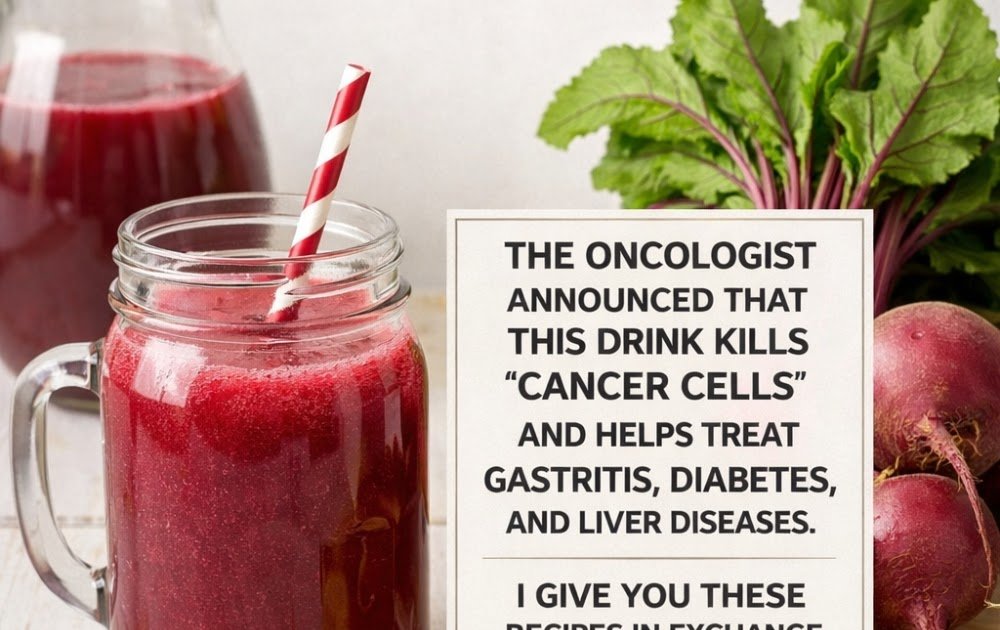
Beetroot juice has exploded in popularity across health blogs and social media, often paired with dramatic claims about “killing cancer cells” or curing chronic diseases in a matter of weeks. While those headlines grab attention, the real story is more nuanced—and far more useful if you care about your health.
So what does beetroot juice actually do? Let’s look at what science supports, what it doesn’t, and how this deep-red drink can realistically fit into a healthy lifestyle.

Why Beetroot Juice Gets So Much Attention
Beets are rich in betalains (powerful antioxidants), nitrates, fiber, vitamin C, folate, and potassium. These compounds are linked to:
-
Reduced oxidative stress
-
Better blood flow and circulation
-
Support for heart and metabolic health
-
Anti-inflammatory effects
This impressive nutrient profile is why beetroot juice is often called a “functional food” rather than just a vegetable drink.
Can Beetroot Juice Kill Cancer Cells?
Short answer: No food or drink can cure cancer.
Some laboratory studies show that beet compounds (especially betalains) can slow the growth of certain cancer cells in test tubes or help reduce oxidative damage. That’s interesting—and promising for future research—but it’s not the same as curing cancer in humans.
What beetroot juice can do is:
-
Support the body’s antioxidant defenses
-
Help reduce chronic inflammation
-
Contribute to overall cellular health
-
Support the body during a balanced, doctor-guided treatment plan
Think of beetroot juice as a supportive nutrition choice, not a medical treatment.
Beetroot Juice and Digestive Health (Including Gastritis)
Beets contain compounds that may help:
-
Support healthy digestion
-
Reduce inflammation in the digestive tract
-
Promote better blood flow to stomach tissues
For people with sensitive digestion, beetroot juice (especially when diluted) may be gentler than raw beets. However, anyone with gastritis or stomach issues should avoid very acidic or overly concentrated juices and listen to their body’s response.
Beetroot Juice and Blood Sugar (Diabetes Support)
Beets are naturally sweet, but they also contain:
-
Fiber (in whole beets)
-
Antioxidants that support insulin sensitivity
-
Nitrates that improve blood flow and metabolic function
Some studies suggest beetroot may help improve glucose metabolism when used as part of a balanced diet. That said, beetroot juice still contains natural sugars, so portion control matters—especially for people managing diabetes.
Beetroot Juice and Liver Health
The liver is your body’s main detox organ, and beetroot has long been studied for liver support because:
-
Betalains help reduce oxidative stress in liver cells
-
Beets may support natural detox pathways
-
Anti-inflammatory compounds help protect liver tissue
This doesn’t mean beetroot juice “cleanses” the liver in a magical way—but it does provide nutrients that support normal liver function.
The Right Way to Use Beetroot Juice
For general health support:
-
Drink small to moderate amounts (e.g., a small glass)
-
Consider diluting with water or mixing with apple, carrot, or lemon
-
Combine with a balanced diet rich in vegetables, protein, and fiber
-
Don’t treat it as a replacement for medical care
Also note: beetroot can turn urine or stool pink or red—this is harmless and normal.
The Bottom Line
Beetroot juice does not kill cancer or cure serious diseases. But it does offer real, science-backed benefits:
-
Strong antioxidant support
-
Better circulation and heart health
-
Support for digestion, metabolism, and liver function
-
A nutrient-dense addition to a healthy diet
If you want a powerful health drink, beetroot juice is a great choice. Just keep the expectations realistic—and grounded in science.