 By admin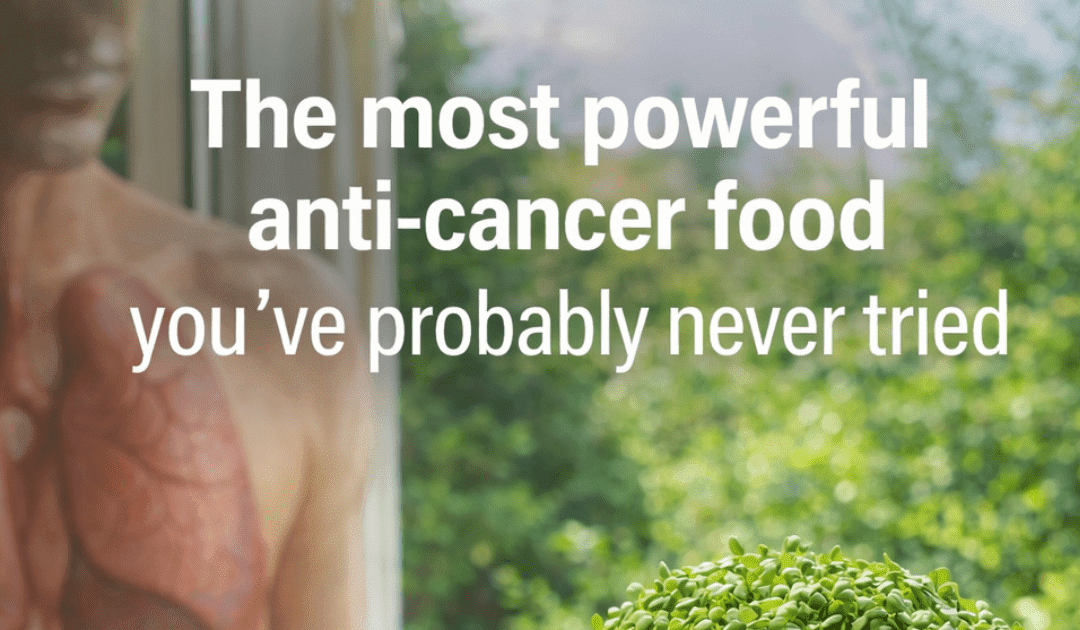
In today’s fast-paced world, many of us overlook simple, everyday choices that could play a supportive role in maintaining overall health—especially when it comes to reducing risks associated with serious conditions like cancer. We often reach for familiar foods while ignoring lesser-known options packed with beneficial compounds. This oversight can leave us missing out on natural ways to bolster our body’s defenses. But what if a small, easy-to-add ingredient could help activate a key protective pathway in your cells? Keep reading because later we’ll reveal exactly what this tiny sprout is and how research suggests it works.

What Makes This Tiny Sprout So Special?
Broccoli sprouts—the young, tender shoots of broccoli plants—are not your average vegetable. These tiny greens, harvested just a few days after sprouting, contain remarkably high levels of a compound called glucoraphanin. When chewed or chopped, this converts into sulforaphane, a powerful phytochemical.
Research from institutions like Johns Hopkins University and Memorial Sloan Kettering Cancer Center has highlighted sulforaphane’s potential. Studies suggest it may activate the body’s Nrf2 pathway—a natural cellular switch that regulates antioxidant and detoxification processes. This activation helps cells defend against oxidative stress and supports the elimination of potentially harmful substances.
But here’s the exciting part: broccoli sprouts deliver far more sulforaphane potential than mature broccoli—often 20 to 50 times more in young sprouts, according to findings from leading researchers.
But that’s not all… This humble sprout has caught the attention of scientists studying ways to support long-term wellness.

How Does Sulforaphane Support the Body’s Natural Defenses?
The Nrf2 pathway acts like an internal guardian. When activated, it turns on genes that produce enzymes for detoxification and antioxidant protection. Oxidative stress and environmental toxins can contribute to cellular changes over time, increasing health risks.
Sulforaphane from broccoli sprouts may help “flip the switch” on Nrf2, promoting these protective responses. Laboratory and animal studies, along with some human trials, indicate this could support:
- Detoxification of environmental pollutants
- Reduction in inflammation markers
- Protection against oxidative damage
For example, clinical research has explored how consuming broccoli sprout preparations may aid in detoxifying certain airborne pollutants and supporting healthy cellular function. While more studies are needed, these findings point to promising supportive benefits.
Here’s the interesting twist… Not all cruciferous vegetables pack the same punch.

Broccoli Sprouts vs. Mature Broccoli: A Quick Comparison
To help you see the difference clearly, here’s a simple side-by-side look:
- Sulforaphane Potential
- Mature broccoli: Moderate levels
- Broccoli sprouts: 20–50 times higher in key precursors
- Nutrient Concentration
- Mature broccoli: Good source of vitamins and fiber
- Broccoli sprouts: Highly concentrated phytochemicals in a small serving
- Ease of Use
- Mature broccoli: Needs cooking
- Broccoli sprouts: Eat raw for maximum benefit
This concentration makes sprouts an efficient way to incorporate these supportive compounds into your routine.
And the best news? You don’t need to eat massive amounts—small daily servings may offer meaningful support.

Actionable Tips: How to Add Broccoli Sprouts to Your Daily Life
Ready to try them? Here are practical ways to get started safely and enjoyably.
- Buy them ready-grown — Look for fresh broccoli sprouts in the produce section of health-focused grocery stores. Start with a small handful (about 1/2 to 1 cup) added to meals.
- Grow your own at home (super easy and cost-effective) — Follow these simple steps:
- Rinse 2–3 tablespoons of organic broccoli sprouting seeds.
- Soak overnight in cool water.
- Drain and rinse 2–3 times daily in a sprouting jar.
- Keep in a dark place for 3–4 days, then expose to light for greening.
- Harvest when tails are 1–2 inches long—ready in about 5 days!
- Incorporate them easily:
- Toss into salads for crunch
- Add to sandwiches or wraps
- Blend into smoothies (mild peppery flavor)
- Top soups or avocado toast
Pro tip: Eat them raw to preserve the myrosinase enzyme needed for sulforaphane conversion. Steaming lightly is okay if you prefer, but avoid overcooking.
Why Most People Skip This Superfood (And Why You Might Not Want To)
Despite the research buzz, broccoli sprouts remain under the radar. They’re not as flashy as trendy superfoods, and many assume mature broccoli is “good enough.” But with their concentrated benefits and simple home-growing option, they’re worth reconsidering.
Incorporating them could be a small habit with potentially big supportive effects on your wellness journey.

Conclusion: A Small Step for Big Support
Broccoli sprouts offer an accessible way to tap into your body’s natural protective mechanisms through sulforaphane and the Nrf2 pathway. While no single food is a magic bullet, adding these tiny greens as part of a balanced diet rich in colorful plants may contribute to overall health resilience.
Start small, experiment with ways to enjoy them, and see how they fit into your routine.
FAQ
Q: How much broccoli sprouts should I eat daily?
A: Studies often use servings equivalent to about 1/2 to 1 cup of fresh sprouts. Start low and adjust based on your taste and tolerance.
Q: Are broccoli sprouts safe for everyone?
A: Generally yes for most people, but like any raw produce, ensure they’re fresh and properly handled to minimize bacterial risks. Those with thyroid concerns may want to consult a healthcare provider due to natural goitrogens in cruciferous veggies.
Q: Can I take sulforaphane supplements instead?
A: Whole food sources like sprouts provide a full spectrum of nutrients. Supplements vary in quality—whole sprouts are a natural, affordable starting point.
Important Disclaimer: This article is for informational purposes only and is not intended to diagnose, treat, cure, or prevent any disease. The information is based on general research and should not replace professional medical advice. Always consult your healthcare provider before making significant dietary changes, especially if you have health conditions or are undergoing treatment. Individual results may vary.