 By admin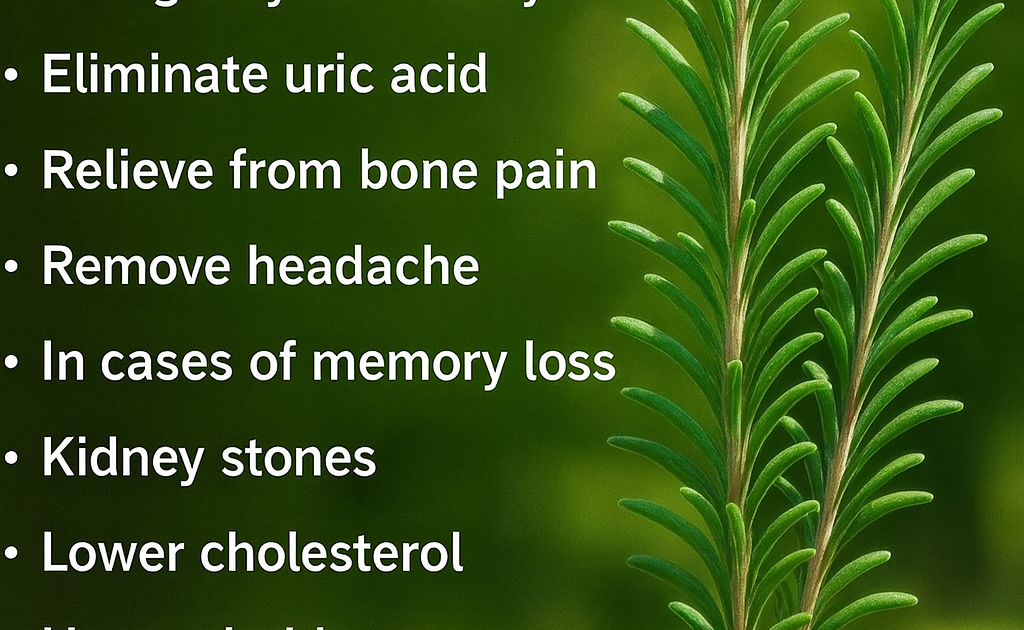

Rosemary (Rosmarinus officinalis) is far more than a fragrant kitchen herb. Its Latin name comes from ros (dew) and marinus (sea), meaning “dew of the sea”—a reference to the belief that rosemary could thrive on nothing more than sea breeze and coastal moisture. From ancient Greek rituals to modern natural wellness, rosemary has held a special place due to its extraordinary healing compounds and its strong, energizing aroma.
Today, science continues to confirm what traditional medicine knew for centuries: rosemary is a potent, protective, antioxidant powerhouse with a long list of benefits for the human body.
A Glimpse Into History: Rosemary in Ancient Tradition
In ancient Greece, rosemary was widely used in religious ceremonies, temple decorations, and purification rituals. It was considered a symbol of memory and clarity, burned as incense, woven into garlands, and used to bless sacred spaces.
Bees also love rosemary flowers, turning them into a fragrant nectar source for high-quality honey.
Thanks to its high essential oil concentration, rosemary acts similarly to plants in the mint family—but it is noticeably stronger and more stimulating. This intensity is exactly what gives rosemary its impressive healing potential.
Traditional Uses of Rosemary in Folk Medicine
For hundreds of years, rosemary played an important role in natural healing practices. Traditional remedies included:
-
Supporting digestive and internal organ health
-
Whitening teeth and easing dental problems by burning rosemary wood or using its charcoal
-
Preventing nightmares by placing dried rosemary under the pillow or mattress
-
Cleansing and healing wounds by applying crushed leaves directly
-
Reducing microbial exposure by using utensils carved from rosemary wood
-
Protecting wine from spoilage by placing rosemary leaves inside barrels or using wooden containers made from the plant
-
Repelling scorpions, snakes, and insects when burned—its smoke was believed to disinfect the air
-
Soothing stomach irritation when boiled as an herbal tea
While these ancient practices may sound mystical, many align with what modern research has found about rosemary’s chemical structure.
The Science Behind Rosemary’s Healing Power
Rosemary essential oil is rich in potent antioxidants, so powerful that rosemary extract is currently being studied as a natural alternative to synthetic preservatives commonly added to processed foods.
1. Rosmarinic Acid: A Strong Anti-Inflammatory Compound
One of rosemary’s star constituents is rosmarinic acid, which has been shown to:
-
Reduce inflammation
-
Lower inflammatory markers such as leukotriene B4
-
Support individuals with chronic inflammatory conditions like rheumatoid arthritis, asthma, and even atherosclerosis
Its anti-inflammatory properties make rosemary a promising herb for improving long-term health.
2. Flavonoids & Volatile Oils: Immune, Circulatory & Digestive Support
Rosemary contains flavonoids and aromatic oils that:
-
Boost immune response
-
Enhance blood circulation
-
Improve digestive function
-
Support respiratory health
Research shows rosemary can increase blood flow to the brain, potentially improving concentration, memory, and overall cognitive performance.
One of its main volatile oils, cineole (eucalyptol), offers antibacterial action and helps relax the bronchial muscles—making rosemary particularly beneficial for people with breathing or sinus issues.
3. Carnosol: A Natural Anti-Cancer Protector
Carnosol, another major compound in rosemary, has demonstrated anti-tumor activity in animal studies. It works by protecting cells from DNA damage and blocking harmful chemical reactions in the body.
Rosemary as a Natural Defense Against Harmful Cooking Compounds
When meat is cooked at high temperatures, carcinogenic compounds called HCAs (heterocyclic amines) can form. Rosemary’s antioxidants—rosmarinic acid, carnosic acid, and carnosol—help block these compounds before they can develop.
This is why adding rosemary to grilled, roasted, or pan-seared meat is not only flavorful but also protective.
How to Use Rosemary Safely and Effectively
Rosemary can be enjoyed in several ways:
-
As a culinary herb
-
In herbal teas
-
As an essential oil (diluted)
-
As a natural preservative
-
In aromatherapy for focus and clarity
-
As a supporting herb for digestion and circulation
Always consult your healthcare provider before starting therapeutic herbal treatments, especially if you are pregnant, nursing, or taking medication.
Final Thoughts
From ancient Greek temples to modern scientific laboratories, rosemary has proven itself to be one of nature’s most powerful and versatile herbs. Its antioxidant strength, anti-inflammatory benefits, cognitive support, and protective effects against harmful compounds make it a valuable addition to any natural health routine.
Whether you enjoy it in your cooking, as an herbal tea, or as a fragrant essential oil, rosemary continues to offer remarkable, time-tested benefits for the human body.