 By admin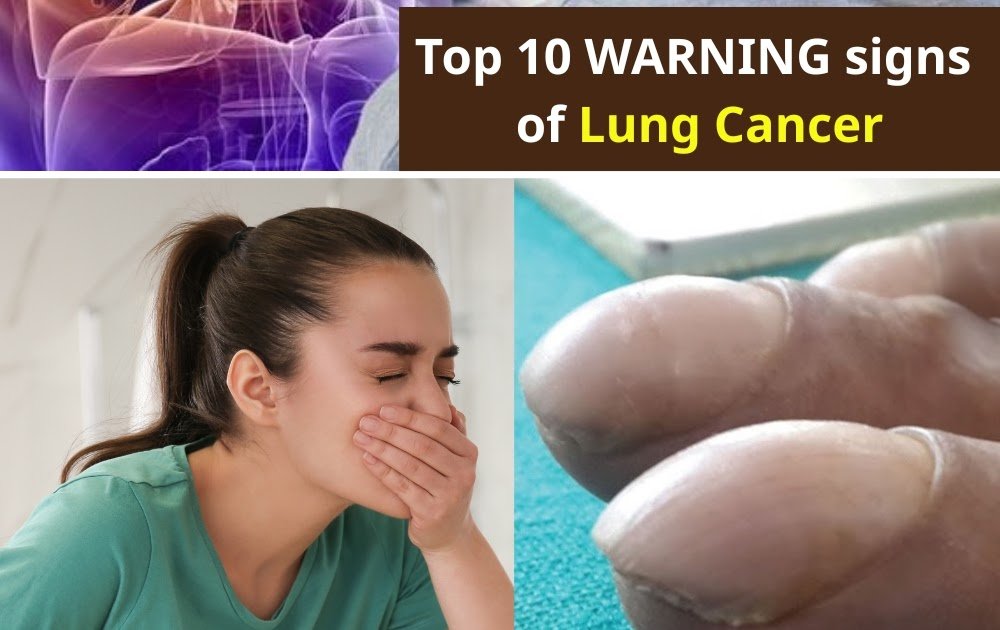

Lung cancer is one of the most dangerous cancers because its early symptoms often look like common respiratory issues. Many people miss the warning signs until the disease has already advanced. Knowing what to look for can make a huge difference. Below are the top 10 warning signs of lung cancer you should pay close attention to.
1. Persistent Cough That Doesn’t Go Away
A cough lasting more than 2–3 weeks is one of the first red flags. It may start as a dry cough or sound like a smoker’s cough, and it gradually gets worse.
2. Coughing Up Blood (Hemoptysis)
Even small streaks of blood in the mucus should be taken seriously. This symptom is strongly associated with lung problems and requires immediate medical evaluation.
3. Shortness of Breath
Feeling out of breath with light activities, climbing stairs, or even at rest is a common early sign. Tumors can block airways or cause fluid buildup around the lungs.
4. Chest Pain or Discomfort
Lung cancer may cause sharp, dull, or constant chest pain. It can worsen when breathing deeply, laughing, or coughing. The pain may also spread to the shoulders or back.
5. Wheezing and Noisy Breathing
When a tumor narrows the airway, you may hear a whistling sound during breathing. Many people mistake this for asthma, but lung cancer can also cause chronic wheezing.
6. Sudden Weight Loss
Unexplained weight loss of 5 kg (10 lbs) or more without dieting is a classic cancer warning sign. Cancer cells use a lot of energy and change the way your body processes nutrients.
7. Chronic Fatigue
Extreme tiredness that doesn’t improve with rest is common. Lung cancer affects oxygen intake and puts pressure on the immune system, leading to constant exhaustion.
8. Frequent Lung Infections
Recurring bronchitis, pneumonia, or infections that keep coming back may signal underlying lung issues. Tumors can block airways and trap bacteria, making infections more likely.
9. Hoarseness or Voice Changes
A growing tumor may affect the nerves controlling the vocal cords. If your voice becomes hoarse or raspy for more than two weeks, it should be checked.
10. Swelling in the Face or Neck
A tumor pressing on major blood vessels can cause swelling in the face, neck, or upper chest. This condition, called superior vena cava syndrome, is often linked to lung cancer.
When to See a Doctor
If you experience one or more of these symptoms—especially if you smoke or used to smoke—don’t wait. Early detection dramatically increases the chances of successful treatment.
Final Thoughts
Lung cancer doesn’t always show strong symptoms at the beginning, so being aware of these early warning signs is critical. Listening to your body and seeking timely medical advice may save your life.