 By admin
ALERT! The Truth About Beetroot Juice and Cancer — What Science Really Says
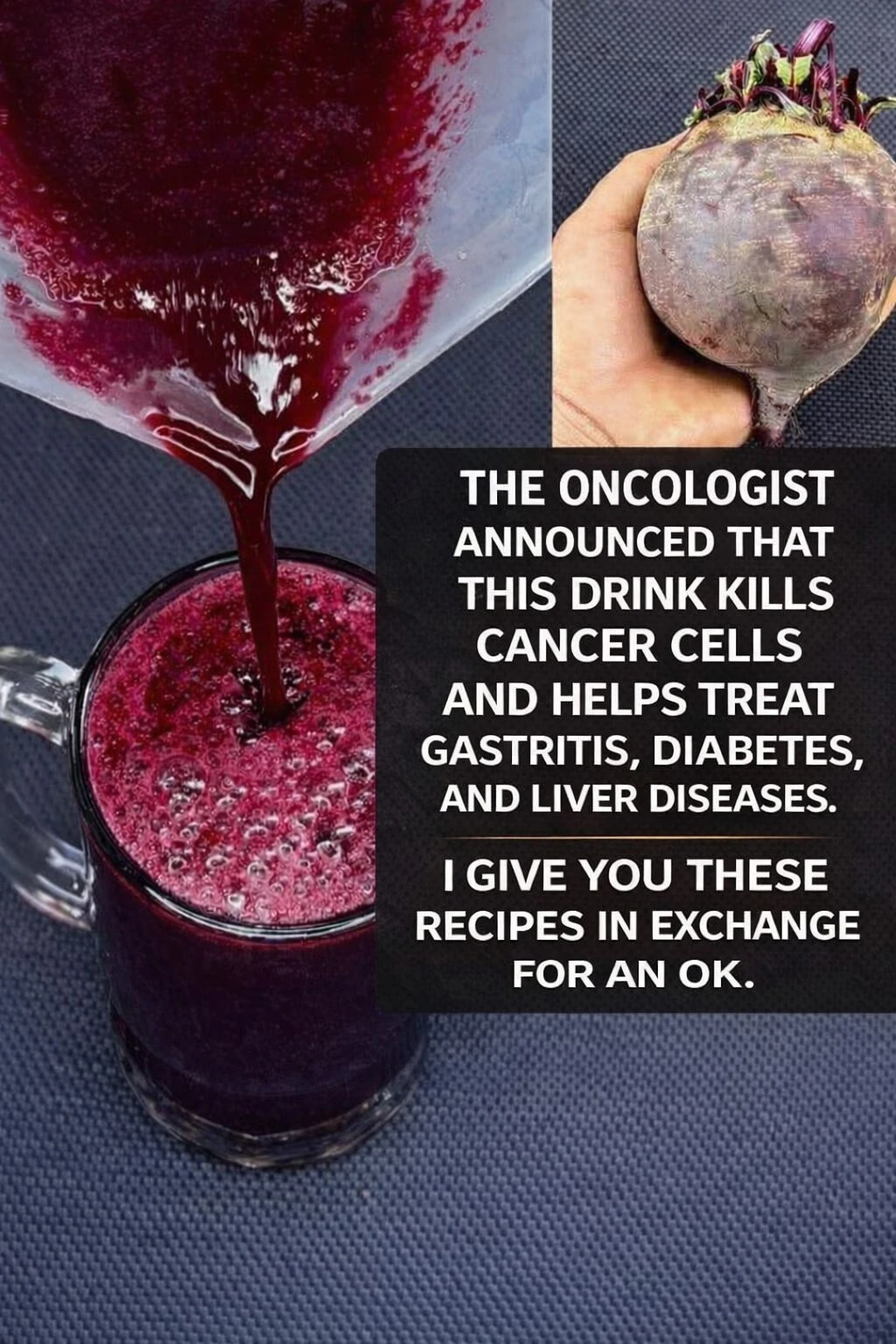
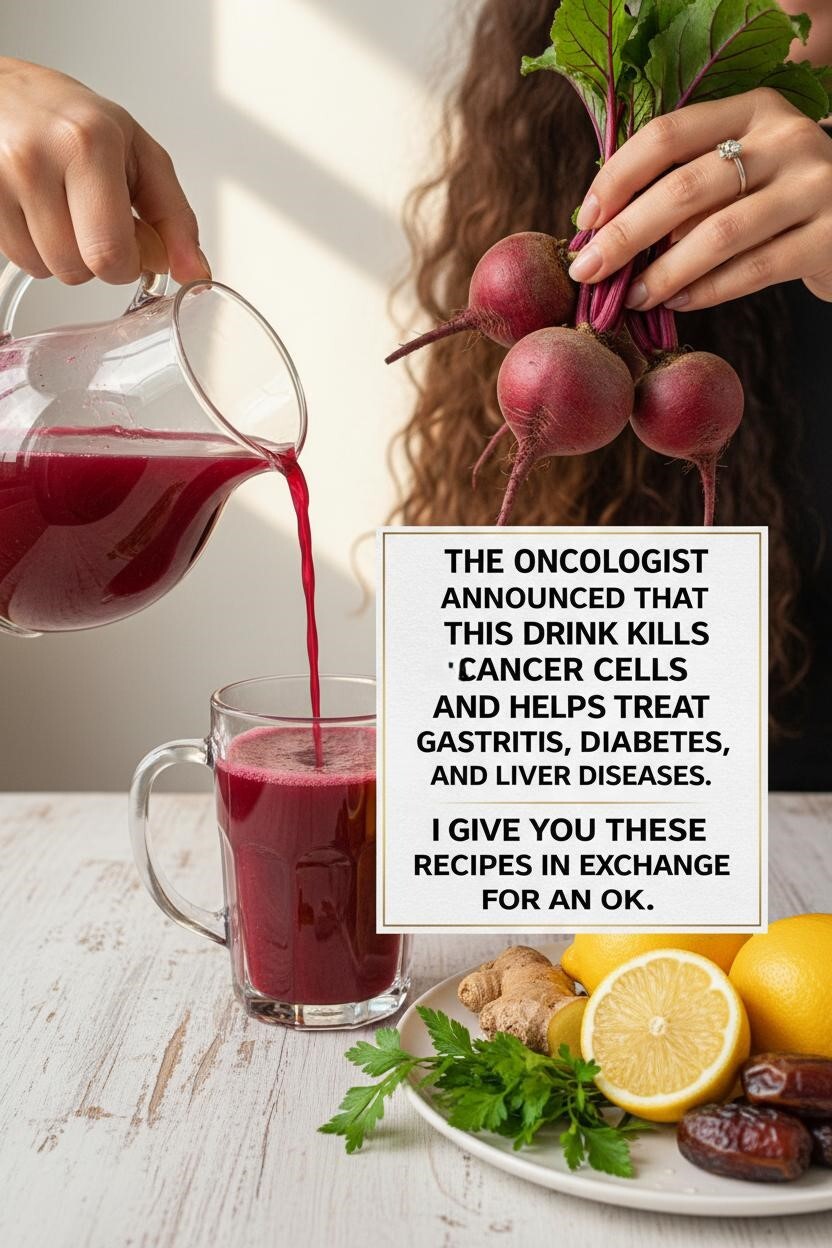
Beetroot juice has been making bold headlines online, with claims that it can “kill cancer cells in 42 days.” But what does science actually say?
🌱 Why Beetroot Juice Gets So Much Attention
Beetroot is rich in powerful natural compounds, including:
-
Betalains – strong antioxidants that help fight oxidative stress
-
Nitrates – improve blood flow and oxygen delivery
-
Polyphenols & vitamin C – support immune function
Laboratory studies have shown that beetroot extracts can slow the growth of certain cancer cells in test tubes, thanks to their antioxidant and anti-inflammatory properties. This is where many online claims begin—but it’s important to understand the difference between lab research and real human treatment.
⚠️ What Beetroot Juice Can—and Cannot—Do
✔️ May help reduce inflammation
✔️ Supports cell protection from oxidative damage
✔️ Can improve overall health and immunity
❌ Does NOT cure cancer
❌ Does NOT replace medical treatment
❌ No evidence proves it kills cancer cells in 42 days
🥤 How Beetroot Juice Can Be Used Safely
Many nutritionists suggest beetroot juice as part of a balanced, plant-rich diet, especially for people focused on prevention, recovery support, or overall wellness.
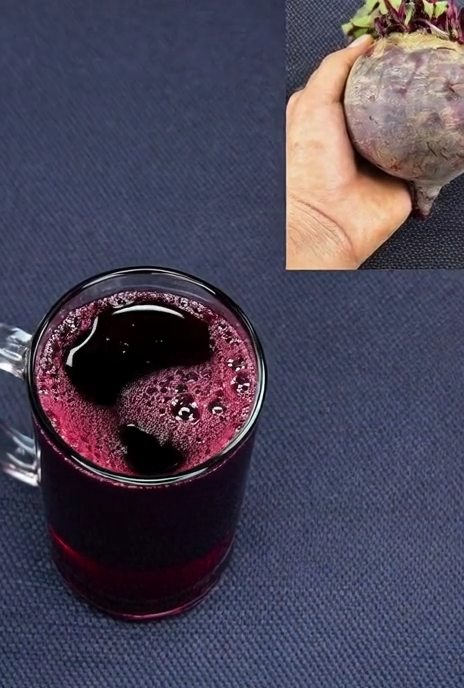
Simple beetroot juice idea:
-
1 fresh beetroot
-
1 carrot
-
½ lemon
-
Water or apple for taste
Drink fresh, 3–4 times per week.
🩺 The Bottom Line
Beetroot juice is not a miracle cure, but it is a powerful natural drink that supports the body in many ways. Real healing comes from science-based medicine, supported by good nutrition—not viral shortcuts.
👉 Always consult a healthcare professional before using any food or supplement for medical conditions.
💬 Scroll down to the comments to see what researchers and nutrition experts really say about beetroot and disease prevention.