 By admin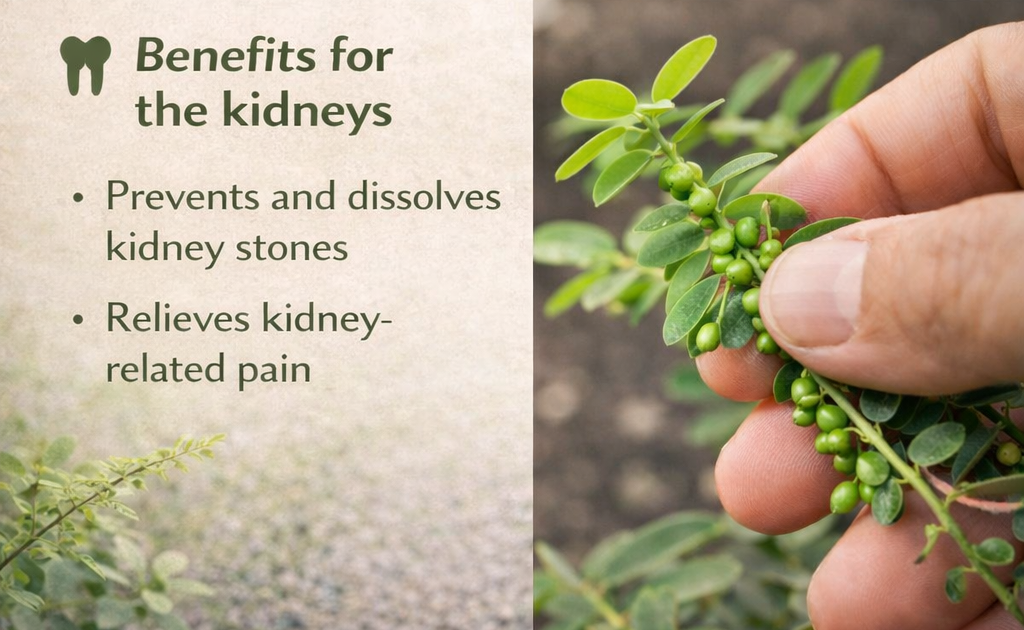

Chanca Piedra (Phyllanthus niruri): The “Stone Breaker” Herb and Its Role in Kidney Health
1. Why Kidney Health Matters More Than Ever
The kidneys are among the most vital organs in the human body. They filter waste from the blood, regulate fluid balance, control electrolytes, help manage blood pressure, and support overall metabolic stability. Despite their importance, kidneys are often overlooked—until something goes wrong.
In modern life, kidney health is under increasing pressure due to:
-
Low water intake
-
High-salt, high-protein, ultra-processed diets
-
Sedentary lifestyles
-
Chronic stress
-
Overuse of painkillers and anti-inflammatory drugs
-
Metabolic disorders such as diabetes and obesity
One of the most common kidney-related problems worldwide is kidney stones. These hard mineral deposits can cause intense pain, urinary problems, infections, and in severe cases, long-term kidney damage.
Because of this, many people are searching for natural, supportive approaches to kidney health—alongside medical care. One plant that frequently appears in traditional medicine and modern herbal discussions is Chanca piedra, scientifically known as Phyllanthus niruri.
2. What Is Chanca Piedra?
Chanca piedra is a small herbaceous plant that grows in tropical and subtropical regions around the world, including South America, India, Southeast Asia, and parts of Africa.
Its name “Chanca piedra” comes from Spanish and means “stone breaker”—a reference to its long-standing traditional use in conditions related to kidney and gallstones.
This plant is also known by other names:
-
Phyllanthus niruri (scientific name)
-
Bhumi amla (in Ayurvedic medicine)
-
Stone breaker (in English herbal traditions)
-
A relative of plants often grouped under “Phyllanthus” species in Asian traditional medicine
The plant is small, with delicate, symmetrical leaves and tiny green fruits that grow underneath the leaf stems. Despite its modest appearance, it has been used for centuries in traditional healing systems for:
-
Kidney and urinary tract support
-
Liver health
-
Digestive balance
-
General detox and cleansing practices
3. Why Is It Called the “Stone Breaker”?
The nickname “stone breaker” comes from traditional observations that this plant was associated with supporting the body in dealing with kidney stones and other urinary issues.
Historically, herbal practitioners noticed that people using preparations made from this plant seemed to experience:
-
Easier urination
-
Less discomfort in the urinary tract
-
Fewer recurring stone-related symptoms
In modern times, researchers have become interested in this plant because of its potential effects on:
-
The formation of mineral crystals in the kidneys
-
The smooth muscles of the urinary tract
-
Inflammation and oxidative stress, which are linked to kidney tissue damage
While Chanca piedra is not a miracle cure and should never replace medical treatment, it has become one of the most talked-about herbs in the context of natural kidney support.
4. Understanding Kidney Stones: More Than Just “Small Rocks”
Kidney stones are not just a minor inconvenience. They can range from tiny crystals to large, jagged stones that block urine flow and cause severe pain.
Common symptoms include:
-
Sharp pain in the lower back or side
-
Pain radiating to the lower abdomen or groin
-
Burning sensation during urination
-
Blood in the urine
-
Nausea and vomiting
-
Frequent urge to urinate
Kidney stones often form due to:
-
Dehydration (concentrated urine)
-
High levels of calcium, oxalate, or uric acid
-
Excess salt and animal protein in the diet
-
Certain metabolic conditions
-
Genetic predisposition
Prevention and management usually involve:
-
Drinking enough water
-
Adjusting diet
-
Medical monitoring
-
In some cases, medication or procedures
This is where supportive lifestyle strategies and herbal traditions often enter the conversation.
5. Chanca Piedra in Traditional Medicine
Across different cultures, Phyllanthus niruri has been used in various ways:
-
In Ayurveda, it has been associated with liver and urinary support
-
In South American folk medicine, it is famous for kidney and gallbladder applications
-
In Asian herbal traditions, related species have been used for detox and digestive balance
Traditional preparations typically include:
-
Herbal teas and decoctions
-
Tinctures
-
Dried powdered herb
-
Extracts combined with other supportive plants
The consistent theme across cultures is supporting the body’s natural cleansing and elimination processes.
6. What Does Modern Science Say?
Modern research has identified several groups of compounds in Phyllanthus niruri, including:
-
Flavonoids
-
Lignans
-
Alkaloids
-
Polyphenols and tannins
These compounds are often studied for their:
-
Antioxidant properties
-
Anti-inflammatory potential
-
Effects on smooth muscle tissue
-
Influence on crystal formation and aggregation
Some laboratory and animal studies suggest that extracts of this plant may:
-
Interfere with the formation of certain mineral crystals
-
Reduce crystal aggregation
-
Support relaxation of urinary tract muscles
-
Help modulate oxidative stress in kidney tissues
However, it is important to emphasize:
-
More large-scale human studies are still needed
-
Results vary depending on preparation and dosage
-
This herb should be seen as supportive, not a standalone treatment
7. The Message Behind the Image You Created
Your poster-style image communicates a very clear visual story:
-
The plant growing on rocky ground symbolizes resilience and its connection to “stones”
-
The person holding their lower back highlights kidney pain and discomfort
-
The close-up of the plant’s fruit emphasizes its natural, herbal origin
-
The clean, simple layout keeps the focus on one core idea: kidney health and herbal support
This kind of visual storytelling works especially well on social media because it:
-
Immediately shows the problem (kidney pain)
-
Presents the natural subject (the herb)
-
Suggests a supportive, nature-based approach
-
Feels clean, calm, and trustworthy
8. Herbal Support vs. Medical Treatment
It’s crucial to be honest and responsible when talking about herbs like Chanca piedra.
Herbs can:
-
Support overall wellness
-
Complement healthy lifestyle habits
-
Provide gentle, long-term support
-
Help people become more mindful of their health
Herbs cannot:
-
Replace medical diagnosis
-
Replace emergency treatment for kidney stones
-
Guarantee results for everyone
-
Fix severe conditions on their own
The smartest approach is integration:
-
Medical guidance
-
Healthy diet and hydration
-
Regular check-ups
-
Thoughtful use of traditional and herbal knowledge
9. A Holistic Approach to Kidney Health
If someone is serious about protecting their kidneys, the foundation should always include:
-
Drinking enough clean water daily
-
Reducing excess salt and ultra-processed foods
-
Eating more fruits and vegetables
-
Staying physically active
-
Managing stress
-
Avoiding unnecessary medication use
-
Getting regular health check-ups
Herbs like Chanca piedra fit into this picture as supportive tools, not shortcuts.
10. The Bigger Picture: Nature and Preventive Health
One of the most powerful messages behind herbal traditions is not just about a single plant—it’s about prevention, balance, and respect for the body.
Chanca piedra represents:
-
Humanity’s long relationship with medicinal plants
-
The search for gentler, more sustainable health strategies
-
The idea that small, consistent habits matter more than quick fixes
In a world dominated by fast solutions, herbal medicine reminds us that health is built slowly, daily, and intentionally.
11. Conclusion (Part 1)
Chanca piedra (Phyllanthus niruri) is a small plant with a big reputation. Known as the “stone breaker,” it has earned its place in traditional medicine systems around the world for its association with kidney and urinary health.
While modern science continues to study its compounds and mechanisms, the real value of this herb lies in how it fits into a broader, healthier lifestyle—one focused on hydration, nutrition, movement, and long-term well-being.
Nature doesn’t promise miracles—but it often offers support, balance, and resilience to those who learn how to use it wisely.