 By admin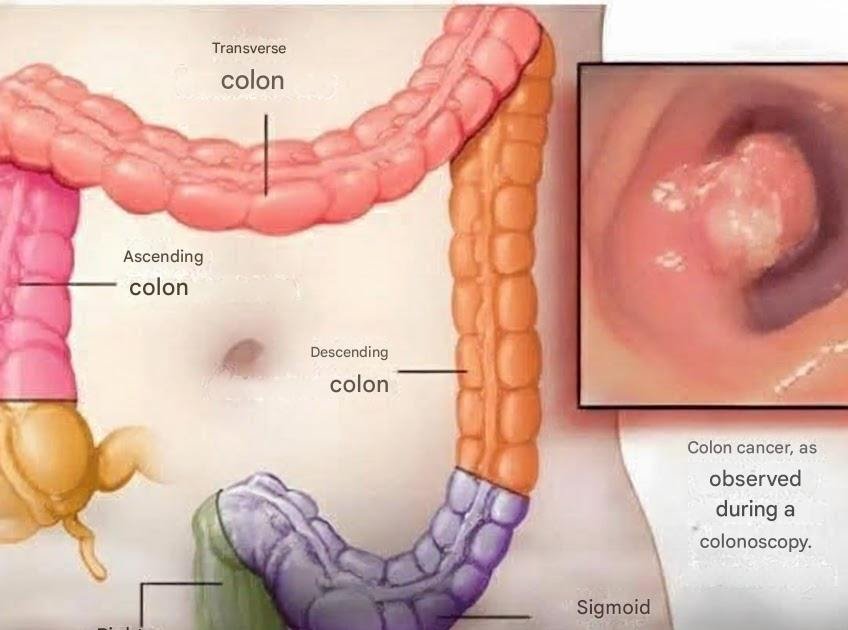

Early detection saves lives — and your body often sends signals long before a diagnosis happens. The problem? Many people brush them off as stress, age, or routine digestive discomfort. But listening to these changes can make all the difference.
Colon cancer — also known as colorectal cancer — is one of the most common cancers worldwide. It usually develops slowly, which means there’s time to detect and treat it early. But only if you pay attention.
Below are seven symptoms that deserve serious attention, especially if they appear suddenly, persist, or worsen over time.
1. A Constant Feeling of Incomplete Bowel Movements
If you go to the bathroom but still feel like you need to evacuate, or constantly feel pressure in the rectum, that may be more than irritation. Persistent tenesmus can indicate inflammation, obstruction, or even a tumor in the colon.
2. Unexplained Weight Loss
Losing weight without dieting, exercising more, or changing routines may seem harmless — but it’s a red flag. Colon cancer can interfere with metabolism and nutrient absorption, leading to rapid, unintended weight loss.
3. Persistent Gas and Bloating
Gas is normal. But when bloating, excessive gas, cramping, or abdominal discomfort become frequent, something may be disrupting digestion. Never ignore symptoms that are new, intense, or long-lasting.
4. New or Worsening Constipation
If constipation suddenly becomes frequent — or stools become harder and more difficult to pass — it may signal a narrowing of the intestinal passage. Tumors can partially block the colon, making bowel movements harder.
5. Diarrhea That Doesn’t Go Away
Diarrhea lasting more than two or three days without a clear cause (like food poisoning or infection) should be evaluated. Changes in bowel habits are among the most common early signs of colorectal cancer.
6. Pencil-Thin Stools
When stool becomes noticeably thinner or ribbon-like, it may indicate that something is narrowing the colon. While other conditions can cause this too, it should never be ignored if it’s new or recurrent.
7. Frequent Abdominal Pain
Sharp cramps, recurring discomfort, or unexplained lower-abdominal pain can be linked to inflammation, obstruction, or tumor growth. Persistent or worsening pain should always be assessed by a healthcare professional.
A Simple Exam Can Prevent Cancer
Colon cancer is one of the few cancers that can often be prevented. A colonoscopy can detect and remove polyps before they develop into tumors — and the procedure is quick, safe, and usually done under sedation.
Listen to Your Body
One isolated symptom doesn’t mean cancer. But symptoms that are new, persistent, or combined should never be ignored. Early diagnosis dramatically increases treatment success.
Routine checkups, preventive screenings, and open conversations with your doctor are powerful tools for protection.
Your body whispers before it screams — pay attention.
FAQ
Does colon cancer cause symptoms early?
Often yes — especially digestive changes, abdominal pain, or shifts in bowel habits that don’t resolve.
Who should get a colonoscopy?
Most adults starting at age 50 — or earlier if there’s a family history, inflammatory bowel disease, or concerning symptoms.
Can diarrhea be a sign of colon cancer?
If persistent, unexplained, or accompanied by other gastrointestinal changes, it should be medically evaluated.
Are thin stools always alarming?
Not always — but if stool shape changes suddenly and frequently, it may indicate a narrowing of the colon.
If something feels off, don’t wait. Early action saves lives. Keep an eye on your body — it always knows more than you think.