 By admin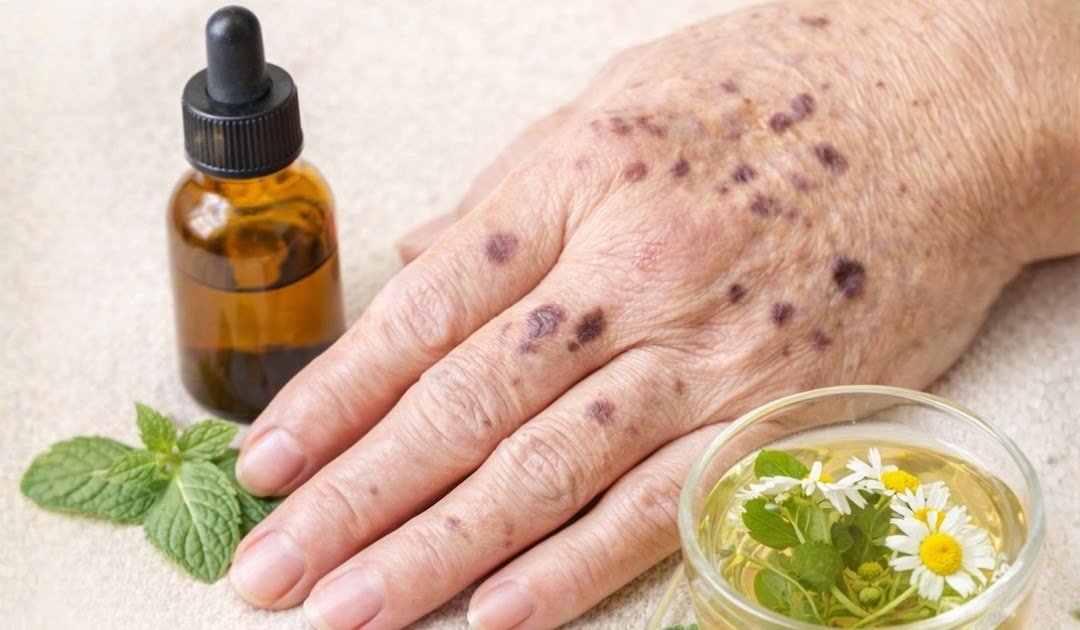
Dark Purple Spots on the Hands: What to Do While You Wait for a Doctor’s Appointment
Suddenly, a dark purple spot appears on your hand. A few days later, another one shows up. They look like bruises, but you don’t remember bumping into anything or hurting yourself.
It’s normal to feel worried—especially if your medical appointment is still days or weeks away. Is it something serious? Should you change your routine? Could it be a sign of a bigger problem?
In many cases, these purple or dark spots on the hands have harmless causes and can be monitored calmly while you take a few simple steps to protect your skin and support its health.
This article explains why these marks often appear, when you should pay closer attention, and how to care for your hands while you wait to see a healthcare professional.

Why These Spots Get So Much Attention
The skin on the hands is naturally thinner than in many other areas of the body. It is also exposed all the time—to sunlight, temperature changes, cleaning products, and small daily impacts.
As we age, the skin tends to become more fragile, and the tiny blood vessels just under the surface also become more delicate. Because of this, even very minor bumps—sometimes so small you don’t even notice them—can cause blood to leak under the skin and create a purple or dark mark.
These spots often look intense, but they usually don’t hurt and tend to fade gradually, much like a normal bruise.
A Common Cause: Actinic Purpura
In many people, especially those who have had years of sun exposure, these marks are related to a condition known as actinic purpura (also called senile purpura).
It typically appears on areas that get a lot of sun over time, such as the backs of the hands and the forearms. Long-term sun exposure contributes to thinning of the skin and weakening of the small blood vessels, making them more likely to break with minor trauma.
Even though the appearance can be alarming, actinic purpura is usually a benign condition and often does not require specific medical treatment. Still, a doctor’s evaluation is important to confirm the cause and rule out other issues.
When You Should Be More Alert
While you’re waiting for your appointment, it’s a good idea to observe how the spots behave over time.
Try to seek medical attention sooner if you notice things like:
-
The spots appear very quickly or increase a lot in number
-
They become painful, swollen, or unusually tender
-
You also have other symptoms such as unusual weakness, frequent bleeding, or feeling generally unwell
-
The marks don’t fade at all over time or look very different from normal bruises
Sudden or significant changes always deserve a faster medical evaluation.
How to Reduce the Risk of New Spots
In daily life, our hands go through a lot: carrying bags, cleaning, gardening, moving objects, or bumping into furniture. Even when you don’t notice it, these small impacts can add up—especially if your skin is already fragile.
A few simple habits can help:
-
Wear gloves for housework, gardening, or tasks that involve friction or pressure
-
Try to be a bit more mindful with movements around hard surfaces and sharp edges
-
Avoid unnecessary minor trauma to the hands whenever possible
These small changes can make a real difference over time.
Daily Skin Care to Strengthen the Skin
Keeping your skin well hydrated is one of the most important steps. Regular use of a nourishing hand cream helps maintain skin elasticity and supports the skin’s protective barrier.
Some tips:
-
Apply moisturizer at least once or twice a day, especially after washing your hands
-
Choose gentle, fragrance-free products if your skin is sensitive
-
Avoid harsh scrubs or strong exfoliation on the hands, as this can make the skin even more fragile
Well-cared-for skin is generally more resistant to everyday stress and minor injuries.
Don’t Forget Sunscreen for Your Hands
Most people remember sunscreen for their face, but forget about their hands—even though hands are exposed to the sun almost every day, including during simple city activities like walking or driving.
Using sunscreen on your hands daily can:
-
Help prevent further thinning of the skin caused by sun damage
-
Reduce worsening of skin fragility over time
-
Support a more even, healthier-looking skin appearance
Reapply after washing your hands or spending extended time outdoors.
Small Routine Adjustments That Help
You don’t need to completely change your lifestyle. A few practical adjustments are often enough, such as:
-
Wearing long sleeves or light gloves during cleaning or outdoor chores
-
Being careful around furniture corners and hard surfaces
-
Using protective gear for tasks that involve repeated hand contact or pressure
The goal is simply to reduce repeated minor impacts on skin that is already more sensitive.
Medications and Supplements Can Play a Role
Some medications or supplements can make bruising or purple spots more likely by affecting blood clotting or skin fragility.
Without stopping anything on your own, it’s a good idea to:
-
Make a list of everything you’re taking (medications, vitamins, supplements)
-
Bring this list to your doctor’s appointment
-
Mention when the spots started and whether anything changed in your routine
This information can be very helpful for a complete and accurate evaluation.
Comfort and Cosmetic Covering, If Needed
If the area feels a bit sensitive, a cold compress can sometimes provide temporary comfort.
If the appearance of the spots bothers you, you can use a gentle concealer designed for sensitive skin. This can help with confidence and emotional comfort without harming the skin—as long as you remove it gently and keep the area moisturized.
How to Prepare for Your Doctor’s Appointment
To make your appointment more productive, consider keeping a simple record:
-
Take photos when new spots appear
-
Note how long they last
-
Observe if they change color, size, or shape over time
-
Write down any symptoms you notice, even if they seem minor
These details help the healthcare professional better understand what’s going on and choose the right next steps.
Stay Calm, Stay Observant
While waiting for your appointment, the most important thing is to stay observant without unnecessary panic. In many cases, dark purple spots on the hands are related to fragile skin and minor, harmless causes.
Treat your hands with care, keep them protected and well moisturized, use sunscreen daily, and avoid unnecessary impacts. With gentle, consistent care—and proper medical guidance—you’ll be in the best position to understand and manage what’s happening with your skin.