 By admin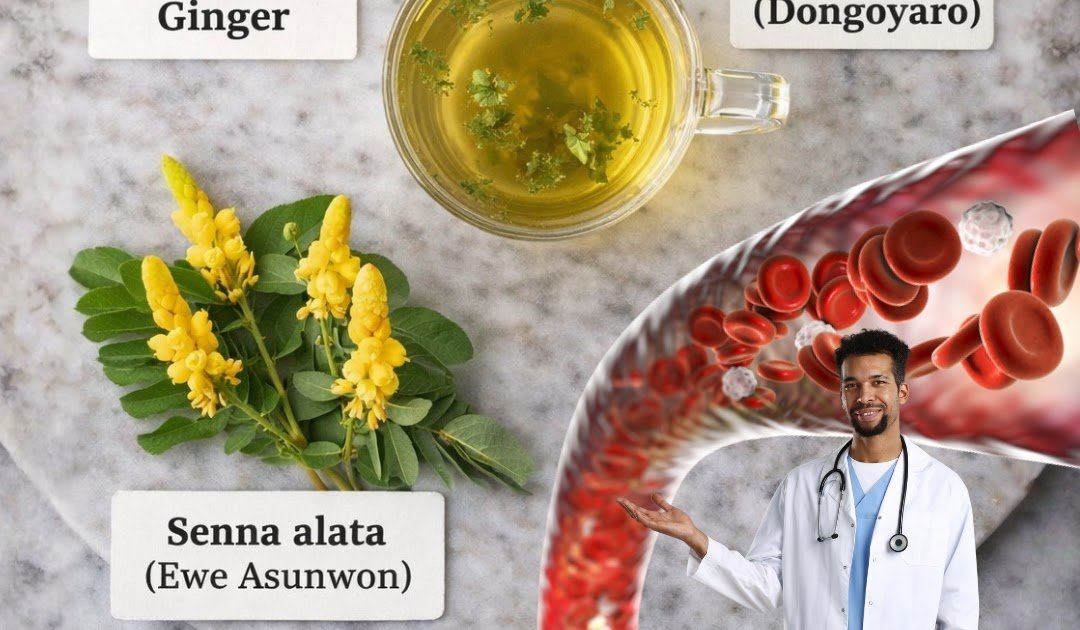
Many cultures around the world use herbs and plants to support general health, especially when it comes to the immune system and “blood cleansing” traditions. In West African and Asian herbal practices, ingredients like ginger, garlic, neem, cassia alata (Senna alata), and pawpaw (papaya) leaves are often mentioned in conversations about overall wellness and internal balance.
This article explores these plants from an educational and wellness perspective—what they are, why people value them, and what modern science says about their general benefits. It does not replace medical care, and any serious infection should always be treated by a healthcare professional.

Understanding “Blood Infection” and Blood Health
In everyday language, people sometimes say “blood infection” to describe feeling unwell, weak, feverish, or run down. Medically, true blood infections (such as sepsis) are serious and life-threatening and require urgent hospital treatment with proper medicines.
However, in traditional medicine, the idea of “cleansing the blood” usually means:
-
Supporting the immune system
-
Helping the liver and digestion do their jobs
-
Promoting overall wellness and balance
That’s where herbs and spices come into the conversation—not as cures for infections, but as supportive, traditional wellness ingredients.
1. Ginger: A Classic Warming Root
Ginger is one of the most widely used medicinal spices in the world. Traditionally, it is valued for:
-
Supporting digestion
-
Helping with nausea and stomach discomfort
-
Providing anti-inflammatory and antioxidant compounds
Because ginger helps improve circulation and digestion, many cultures associate it with “warming the body” and supporting general vitality. In wellness traditions, this is often linked to better overall blood and immune health.
2. Garlic: Nature’s Popular Immune Ally
Garlic has a long history in both cooking and traditional medicine. It contains compounds like allicin, which are studied for their:
-
Antioxidant properties
-
Support for heart and immune health
-
Role in general wellness routines
Many people include garlic in their diet to support circulation and cardiovascular health, which is why it often appears in traditional “blood health” discussions.
3. Neem Leaf: A Bitter but Respected Plant
Neem (sometimes called Dongoyaro) is widely used in parts of Africa and Asia. In traditional practices, neem leaves are associated with:
-
Supporting skin and digestive health
-
General immune system support
-
Use in cleansing and balancing routines
Because of its strong, bitter taste, neem is often described as a “purifying” plant in folk traditions. Modern research looks at neem mainly for its bioactive compounds, but it is still best viewed as a traditional wellness herb, not a medical treatment.
4. Cassia Alata (Senna Alata): A Traditional Leaf
Cassia alata, also known as Senna alata or Ewe Asunwon, is commonly used in traditional settings, especially for skin-related and general wellness purposes. Historically, it has been part of herbal systems focused on:
-
Supporting external and internal balance
-
Traditional cleansing practices
-
Overall plant-based wellness approaches
Again, this is part of cultural herbal knowledge rather than modern clinical treatment for infections.
5. Pawpaw (Papaya) Leaf: More Than Just Fruit
While papaya fruit is popular worldwide, the leaves are also used in traditional medicine in some regions. They are often associated with:
-
Digestive support
-
General immune wellness
-
Traditional herbal tonics
Scientific interest in papaya leaves exists, but their traditional use is mainly about supporting the body, not replacing medical care.
Important Safety Note
Real blood infections are medical emergencies. No home remedy, tea, or herbal mixture can replace proper diagnosis and treatment from a doctor.
Herbs like ginger, garlic, neem, cassia alata, and pawpaw leaf should be seen as:
-
Part of cultural and traditional wellness practices
-
Possible dietary or lifestyle complements
-
Not cures for infections or serious diseases
If someone has fever, severe weakness, chills, pain, or any signs of infection, they should seek medical help immediately.
The Bottom Line
Traditional plants such as ginger, garlic, neem, cassia alata, and pawpaw leaf are widely respected in many cultures for supporting general wellness, digestion, and immune balance. They are often described as helping with “blood cleansing” in a traditional, non-medical sense.
For true infections and serious health problems, modern medical care is essential. Think of these herbs as part of a healthy lifestyle conversation, not as a replacement for professional treatment.