 By admin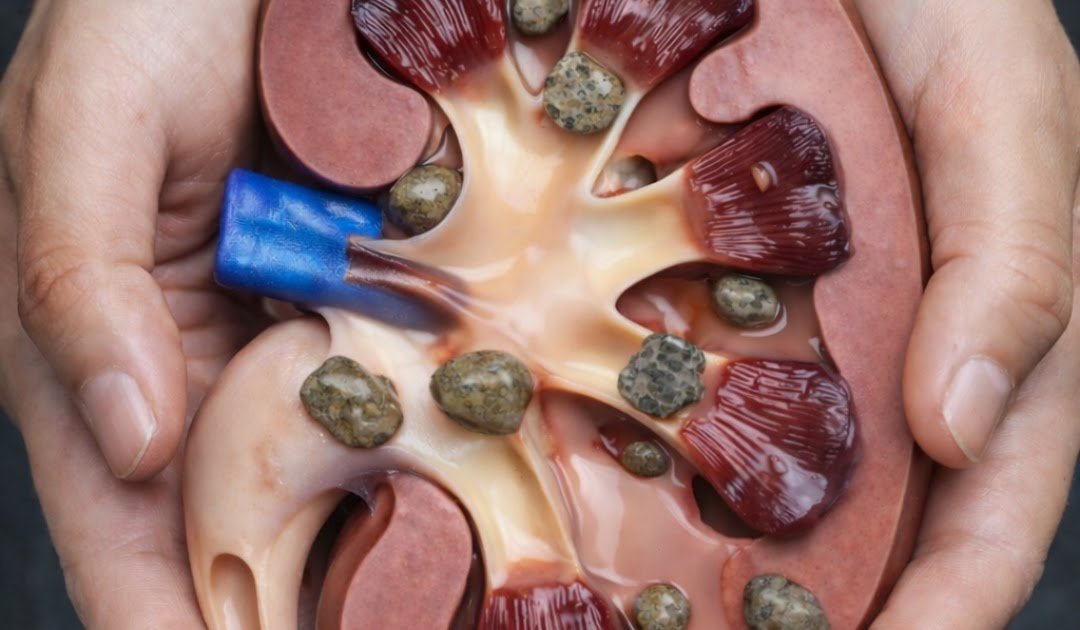

Kidney stones are one of the most painful health problems a person can experience. Anyone who has had them knows the sharp, unbearable pain they can cause. What many people don’t realize is that kidney stones often develop slowly — and daily habits play a major role in whether they form or not.
The good news?
Most kidney stones can be prevented with simple lifestyle and dietary changes.
Kidney stones are not always bad luck. In many cases, they are the result of repeated daily behaviors. When those habits change, the risk drops significantly.
Below are practical, science-supported ways to help prevent kidney stones naturally.
1. Drink Plenty of Water Every Day
Water is the most important factor in kidney stone prevention.
When you don’t drink enough fluids, your urine becomes concentrated. This allows minerals like calcium, oxalate, and uric acid to stick together and form stones.
Drinking enough water helps:
-
Dilute stone-forming substances
-
Flush crystals out before they harden
-
Keep urine flowing regularly
A simple rule:
If your urine is dark yellow, you are not drinking enough water.
Aim for clear or pale yellow urine throughout the day.
2. Reduce Salt Intake
Excess salt is one of the biggest contributors to kidney stones.
Too much sodium increases calcium levels in the urine, which raises the risk of stone formation — especially calcium oxalate stones, the most common type.
To reduce salt:
-
Avoid adding extra salt to meals
-
Limit packaged and processed foods
-
Reduce fast food, chips, instant meals, and canned foods
Lower sodium intake helps your kidneys function more efficiently and keeps calcium from building up where it shouldn’t.
3. Don’t Overdo Animal Protein
Eating large amounts of animal protein can increase kidney stone risk.
High intake of:
-
Red meat
-
Organ meats
-
Certain seafood
-
Excess poultry
can raise uric acid levels and reduce citrate in urine. Citrate is a natural substance that helps prevent stones from forming.
You don’t need to eliminate animal protein completely — balance is the key.
Try to:
-
Combine meals with plant-based proteins
-
Include beans, lentils, tofu, or legumes
-
Avoid very high-protein diets for long periods
Balanced meals support healthier kidney chemistry.
4. Eat Enough Calcium From Food
Many people think avoiding calcium prevents kidney stones — but this is a common mistake.
Low calcium intake can actually increase stone risk because calcium in food binds to oxalate in the digestive tract, preventing it from entering the urine.
The key is:
-
Get calcium from food, not excessive supplements
Good natural sources include:
-
Milk
-
Yogurt
-
Cheese
-
Sardines
-
Salmon
-
Beans
-
Almonds
-
Leafy green vegetables
-
Fortified cereals
Food-based calcium supports bone health and reduces oxalate absorption.
5. Limit High-Oxalate Foods If You Are Prone to Stones
Some foods are naturally high in oxalates, which can contribute to stone formation in susceptible individuals.
High-oxalate foods include:
-
Spinach
-
Beetroot
-
Chocolate
-
Nuts
-
Tea
You do not need to avoid these completely.
Instead:
-
Eat them in moderation
-
Consume them with meals
-
Combine them with calcium-containing foods
This reduces oxalate absorption and lowers stone risk.
6. Increase Fruits and Vegetables
Fruits and vegetables play a protective role in kidney health.
They help:
-
Make urine less acidic
-
Increase citrate levels
-
Reduce crystal formation
Citrus fruits are especially helpful, including:
-
Oranges
-
Lemons
-
Limes
-
Grapefruit
Natural citrate acts as a stone inhibitor and helps prevent minerals from clumping together.
Adding more plant foods also supports hydration, digestion, and overall metabolic health.
7. Avoid Excess Sugary Drinks and Sodas
Sugary beverages significantly increase kidney stone risk.
Sodas and sweetened drinks:
-
Alter urine composition
-
Increase calcium loss in urine
-
Promote dehydration
Especially harmful are:
-
Cola drinks
-
High-fructose beverages
-
Artificially sweetened sodas
Water should always be your primary drink.
You can also include:
-
Infused water
-
Herbal teas in moderation
-
Fresh lemon water
These options support hydration without stressing the kidneys.
8. Maintain a Healthy Weight
Obesity is strongly linked to kidney stone formation.
Excess weight can change:
-
Urine acidity
-
Calcium excretion
-
Uric acid levels
Even modest weight loss can significantly reduce risk.
Focus on:
-
Balanced nutrition
-
Regular physical activity
-
Avoiding crash diets
Slow, sustainable lifestyle changes protect kidney function long term.
9. Don’t Hold Your Urine Too Long
Holding urine for extended periods allows crystals to remain in the urinary tract longer, increasing the chance they grow into stones.
Regular urination:
-
Flushes small crystals out
-
Prevents buildup
-
Supports bladder and kidney health
Listen to your body and avoid delaying bathroom breaks.
10. Follow Medical Advice if You’ve Had Stones Before
If you’ve had kidney stones in the past, it’s important to follow up with medical guidance.
Different stones require different prevention strategies, such as:
-
Calcium oxalate stones
-
Uric acid stones
-
Struvite stones
-
Cystine stones
Your doctor may recommend:
-
Specific dietary adjustments
-
Fluid targets
-
Medications
-
Urine testing
Personalized prevention is often the most effective approach.
Final Thoughts
Kidney stones are not always random or unavoidable.
In many cases, they develop because of:
-
Chronic dehydration
-
High salt intake
-
Poor dietary balance
-
Sugary drinks
-
Repeated daily habits
The good news is that simple lifestyle changes can dramatically reduce the risk.
Drink more water.
Eat balanced meals.
Protect your kidneys every day.
Small habits, practiced consistently, can save you from severe pain in the future.
Share this information to help someone stay kidney-stone free.