 By admin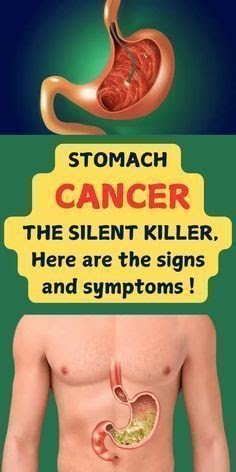
Stomach cancer, also known as gastric cancer, is often called the silent killer because it develops slowly and shows few symptoms in its early stages. By the time it’s detected, the disease may already have advanced — making early awareness absolutely crucial.
In this article, we’ll explore the early signs, risk factors, prevention tips, and natural ways to support a healthy digestive system.

1. What Is Stomach Cancer?
Stomach cancer occurs when abnormal cells grow uncontrollably in the lining of the stomach. Over time, these cells form tumors that can spread (metastasize) to other organs, including the liver, lungs, and lymph nodes.
The most common type is adenocarcinoma, which starts in the mucus-producing cells of the stomach lining. Other rare forms include lymphoma, gastrointestinal stromal tumors (GIST), and carcinoid tumors.
2. Common Signs and Symptoms
Because early stomach cancer often causes no noticeable problems, recognizing subtle signs can make a big difference. Here are the most common symptoms to watch for:
-
Persistent indigestion or heartburn
-
Bloating after eating small meals
-
Feeling full too soon (early satiety)
-
Nausea and vomiting
-
Loss of appetite or unexplained weight loss
-
Abdominal pain or discomfort (especially above the navel)
-
Blood in stool or black, tarry stools
-
Fatigue or weakness due to anemia
⚠️ If you notice these symptoms lasting more than a few weeks, see a doctor immediately for further evaluation.
3. The Silent Nature of Stomach Cancer
Many people mistake the early signs for common digestive issues like acid reflux, ulcers, or gastritis. This is why stomach cancer is often detected only in later stages, when treatment becomes more complicated.
The key is vigilance — listening to your body and acting early.
4. Major Risk Factors
Several lifestyle and medical factors increase your risk:
-
Helicobacter pylori (H. pylori) infection — a bacteria linked to stomach inflammation and ulcers.
-
Smoking and alcohol — both damage the stomach lining and raise cancer risk.
-
Diets high in salty, smoked, or pickled foods.
-
Family history of stomach cancer.
-
Obesity and poor diet.
-
Pernicious anemia or chronic gastritis.
5. How to Prevent Stomach Cancer
While not all cases can be prevented, certain habits greatly reduce the risk:
-
Eat a balanced diet rich in fruits, vegetables, and whole grains.
-
Limit processed meats, salty foods, and smoked products.
-
Quit smoking and reduce alcohol intake.
-
Treat H. pylori infections early if diagnosed.
-
Stay at a healthy weight through regular exercise.
-
Go for regular checkups if you have a family history or persistent digestive issues.
6. Natural Support for Stomach Health
Some herbs and natural ingredients can help protect your digestive system:
-
Ginger – fights inflammation and supports digestion.
-
Turmeric – contains curcumin, a compound with anti-cancer properties.
-
Green tea – rich in antioxidants that may protect stomach cells.
-
Garlic – supports immunity and may reduce cancer risk.
-
Aloe vera juice – helps soothe the stomach lining.
These natural remedies are not substitutes for medical treatment, but they can complement a healthy lifestyle.
7. Diagnosis and Treatment
If stomach cancer is suspected, doctors may perform:
-
Endoscopy – using a camera to view the stomach lining.
-
Biopsy – taking a small tissue sample for lab analysis.
-
CT or PET scans – to detect spread.
Treatment options include surgery, chemotherapy, radiation therapy, and newer methods like immunotherapy. The earlier the diagnosis, the higher the survival rate.
8. When to See a Doctor
Seek immediate medical help if you experience:
-
Persistent nausea or vomiting
-
Blood in stool or vomit
-
Difficulty swallowing
-
Severe or chronic abdominal pain
Early detection can save your life.
9. Final Thoughts
Stomach cancer may be a silent killer, but awareness turns silence into survival. Listening to your body, making smart lifestyle choices, and scheduling regular medical checkups are your best weapons against this disease.