 By admin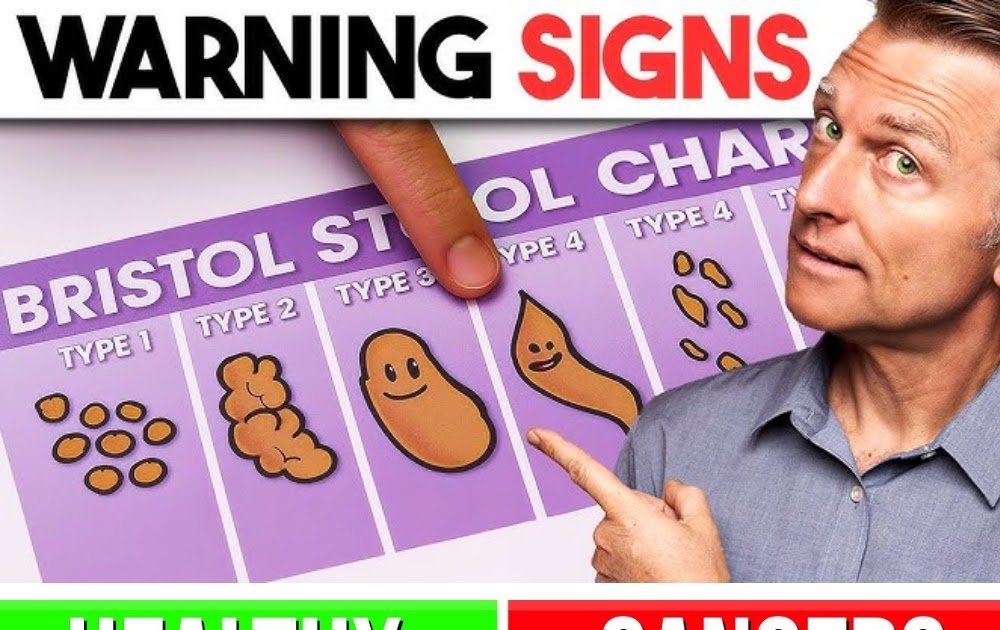
When it comes to health, most people focus on diet, exercise, and maybe
a yearly check-up. But there’s another free, daily health check you might be
flushing down the toilet without giving it a second thought:
your stool.
Yes, your poop. Its
color, shape, and consistency
can reveal a lot about your digestive system, liver, gallbladder, and overall
health. While nobody really likes to talk about it, understanding your stool
can be the easiest way to catch health issues early.
In this in-depth guide, we’ll break down what different
stool colors mean, when to
relax, and when it’s time to see a doctor.

Why Stool Color Matters
Stool gets its natural brown color mainly from a substance called
bilirubin, which is produced
when your body breaks down red blood cells. Bile (a digestive fluid made by
the liver and stored in the gallbladder) mixes with bilirubin to give stool
its typical brown shade.
But sometimes, what you eat, drink, or certain health conditions can change
the color of your stool. A single odd-looking bowel movement is usually no
cause for concern. However,
persistent changes in stool color
could point to something more serious.
Common Stool Colors and What They Mean
Let’s explore the spectrum of stool shades and their possible health meanings.
1. Brown Stool – Normal and Healthy
-
What it means: This is
the color you want to see. It means your digestive system is working
normally and bile is flowing as it should. -
Variations: Light to
dark brown is usually fine.
👉 Healthy Tip: If your
stool is consistently brown and easy to pass, your gut is likely in good
shape.
2. Green Stool – Often Harmless, Sometimes a Warning
-
Possible causes:
-
Eating lots of leafy greens (spinach, kale, broccoli).
-
Taking iron supplements.
-
Food moving too quickly through the intestines (like during diarrhea).
-
-
When to worry: If green
stool persists and isn’t linked to your diet, it could signal
malabsorption, infections, or digestive disorders.
3. Yellow Stool – Fat Absorption Issues
-
Appearance: Greasy,
foul-smelling, and yellowish. -
Possible causes:
-
Too much fat in the diet.
-
Problems with the pancreas (such as pancreatitis or pancreatic
cancer). -
Celiac disease (gluten intolerance).
-
-
Action: Persistent
yellow stool is a red flag. Time to consult your doctor.
4. Black Stool – Possible Bleeding
-
Possible causes:
-
Iron supplements or certain medications.
-
Eating black licorice, blueberries, or dark-colored foods.
-
Bleeding in the upper digestive tract (stomach or esophagus).
-
-
Warning sign: If stool
is tar-like and sticky,
it may mean blood is present. Seek medical help immediately.
5. Red Stool – Could Be Diet or Blood
-
Possible causes:
-
Eating beets, cranberries, or red food coloring.
-
Hemorrhoids (common and usually harmless).
-
Gastrointestinal bleeding, diverticulosis, or colorectal cancer.
-
-
Action: If you can’t
explain it with diet, do not ignore red stool. A doctor should check for
bleeding.
6. White, Clay-Colored, or Pale Stool – Lack of Bile
-
Possible causes:
-
Gallbladder or liver problems.
-
Blocked bile ducts (from gallstones or tumors).
-
Side effects of certain medications.
-
-
Warning: Pale stool,
especially if persistent, needs urgent medical evaluation.
7. Orange Stool – Usually Benign
-
Possible causes:
-
Eating lots of carrots, sweet potatoes, or foods with beta-carotene.
-
Medications containing antacids with aluminum hydroxide.
-
-
When to worry: If
accompanied by pain, nausea, or pale yellowing of the skin (jaundice), it
could be liver-related.
Other Stool Characteristics to Watch
Stool color isn’t the only thing to pay attention to. These details also
matter:
-
Consistency: Normal
stool should be soft but formed. Watery = diarrhea, hard = constipation. -
Shape: Long and
sausage-like is normal. Thin or ribbon-like stools may suggest colon
issues. -
Smell: All stool
smells, but a
strong foul odor could
indicate infection or malabsorption.
Lifestyle Factors That Change Stool Color
Sometimes, changes are temporary and caused by:
-
Diet: Artificial
coloring, spicy foods, and leafy greens. -
Supplements: Iron,
multivitamins, probiotics. -
Medications:
Antibiotics, antacids, and bismuth (like Pepto-Bismol). -
Alcohol: Heavy drinking
can stress the liver, affecting stool color and consistency.
When to See a Doctor
Not every change is serious, but these signs require medical attention:
-
Blood in stool (bright red, maroon, or black/tarry).
-
Persistent yellow, white, or pale stools.
-
Unexplained weight loss.
-
Abdominal pain, bloating, or jaundice.
-
Ongoing diarrhea or constipation.
How to Keep Your Digestive System Healthy
Healthy poop starts with a healthy lifestyle. Here’s how to improve gut and
stool health:
-
Eat more fiber – whole
grains, fruits, veggies, and legumes keep stool regular. -
Stay hydrated – water
softens stool and prevents constipation. -
Exercise regularly –
movement helps your intestines move waste along. -
Limit processed foods –
too much sugar, fried food, and alcohol stress digestion. -
Get probiotics –
yogurt, kefir, kimchi, and supplements can balance gut bacteria. -
Manage stress – anxiety
and stress can upset digestion. -
Routine check-ups –
especially if you’re over 50, schedule colon screenings.
Stool Color in Children and Babies
Parents often panic when their child’s stool changes color. Here’s what to
know:
-
Newborns: First stool
(meconium) is blackish-green—completely normal. -
Breastfed babies:
Yellow, seedy poop is healthy. -
Formula-fed babies: Tan
or yellow-brown is normal. -
Red or black stool:
Needs urgent pediatric evaluation (unless it’s food-related).
Myth-Busting: Common Misconceptions About Stool
-
❌ Myth: “If it’s not
brown, it’s bad.”
✅ Reality: Diet often changes stool color harmlessly. -
❌ Myth: “Green stool
always means infection.”
✅ Reality: Spinach or supplements are usually the cause. -
❌ Myth: “Constipation
is always from poor diet.”
✅ Reality: It can be linked to medications, stress, or medical issues.
The Bottom Line
Your poop is more than just waste—it’s your body’s
daily health report card.
While one-off changes are usually nothing to stress over,
persistent unusual stool colors
could be your body’s way of signaling that something isn’t right.
So next time you glance into the toilet, don’t just flush and forget. Pay
attention. That simple check could save your health.