 By admin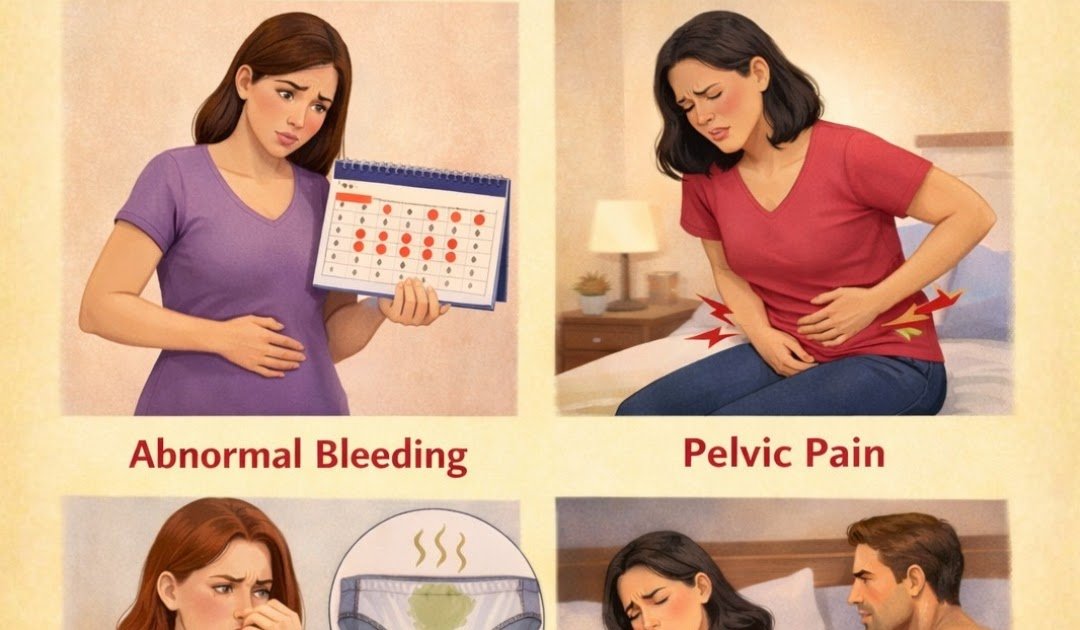

Cervical cancer is one of the most preventable yet still dangerous cancers affecting women worldwide. When detected early, the survival rate is extremely high. However, when warning signs are ignored, the disease can silently progress to advanced stages.
Understanding the early symptoms of cervical cancer — and knowing when to seek medical attention — can literally save lives.
In this guide, we’ll explain what cervical cancer is, why early detection matters, and the 13 key warning signs every woman should know.
What Is Cervical Cancer?
Cervical cancer develops in the cervix — the lower part of the uterus that connects to the vagina. Most cases are caused by long-term infection with high-risk human papillomavirus (HPV), a very common sexually transmitted virus.
In its early stages, cervical cancer often causes no obvious symptoms, which is why regular screening is so important.
Why Early Detection Saves Lives
When cervical cancer is found early:
-
The 5-year survival rate can exceed 90%
-
Treatment is simpler and less invasive
-
Fertility may be preserved
-
Recovery is faster
When detected late:
-
Cancer may spread to nearby organs
-
Treatment becomes aggressive
-
Survival rates drop significantly
This is why recognizing early warning signs — and not ignoring unusual changes — is critical.
13 Warning Signs and Symptoms of Cervical Cancer
1. Abnormal Vaginal Bleeding
One of the earliest and most common signs includes:
-
Bleeding between periods
-
Bleeding after menopause
-
Bleeding after sexual intercourse
Any unexplained vaginal bleeding should never be ignored.
2. Bleeding After Sex
Post-coital bleeding can occur when cancer cells irritate fragile cervical tissue. While other conditions may cause it, persistent bleeding after intercourse requires immediate medical evaluation.
3. Unusual Vaginal Discharge
Watch for discharge that is:
-
Watery
-
Thick
-
Foul-smelling
-
Mixed with blood
Persistent abnormal discharge may signal cervical abnormalities.
4. Pelvic Pain
Ongoing pain in the pelvic region — especially not related to menstruation — can be a sign of advanced cervical changes.
5. Pain During Sexual Intercourse
Pain or discomfort during sex (dyspareunia) may indicate inflammation or tumor growth affecting the cervix.
6. Longer or Heavier Menstrual Periods
Periods that suddenly become:
-
Much heavier
-
Longer than usual
-
More painful
can signal hormonal or cervical issues that need checking.
7. Lower Back Pain
Persistent pain in the lower back or hips may occur when cancer spreads to nearby tissues or nerves.
8. Pain While Urinating
Burning, pain, or discomfort during urination — especially with blood in urine — can appear when cancer affects surrounding organs.
9. Blood in Urine
Hematuria (blood in urine) is not normal and may indicate advanced cervical cancer involving the urinary tract.
10. Swelling of the Legs
Cancer may block lymphatic flow, leading to swelling in one or both legs — often without injury.
11. Fatigue and Weakness
Unexplained, constant fatigue can occur as cancer interferes with normal body functions or causes anemia.
12. Unintended Weight Loss
Sudden weight loss without dieting or lifestyle changes may indicate advanced disease.
13. Loss of Appetite or Digestive Discomfort
As cervical cancer progresses, it can affect digestion, causing nausea, bloating, or reduced appetite.
Who Is at Higher Risk?
You may be at increased risk if you:
-
Have persistent HPV infection
-
Began sexual activity at an early age
-
Have multiple sexual partners
-
Smoke
-
Have a weakened immune system
-
Do not get regular Pap smears
How Cervical Cancer Is Detected
Early detection relies on:
-
Pap smear tests – identify precancerous cells
-
HPV testing – detects high-risk virus strains
-
Pelvic exams – assess abnormal changes
These tests can detect abnormalities years before cancer develops.
Prevention: What You Can Do Today
-
Get regular Pap smear screenings
-
Take the HPV vaccine if eligible
-
Practice safe sex
-
Avoid smoking
-
Seek medical advice for unusual symptoms
Prevention and awareness remain the strongest weapons against cervical cancer.
Final Thoughts
Cervical cancer does not appear overnight. It develops slowly, often giving subtle warning signs long before it becomes life-threatening.
Knowing the 13 early warning signs, listening to your body, and committing to routine screening can make the difference between early treatment and late diagnosis.
Early detection doesn’t just save lives — it protects futures.