 By admin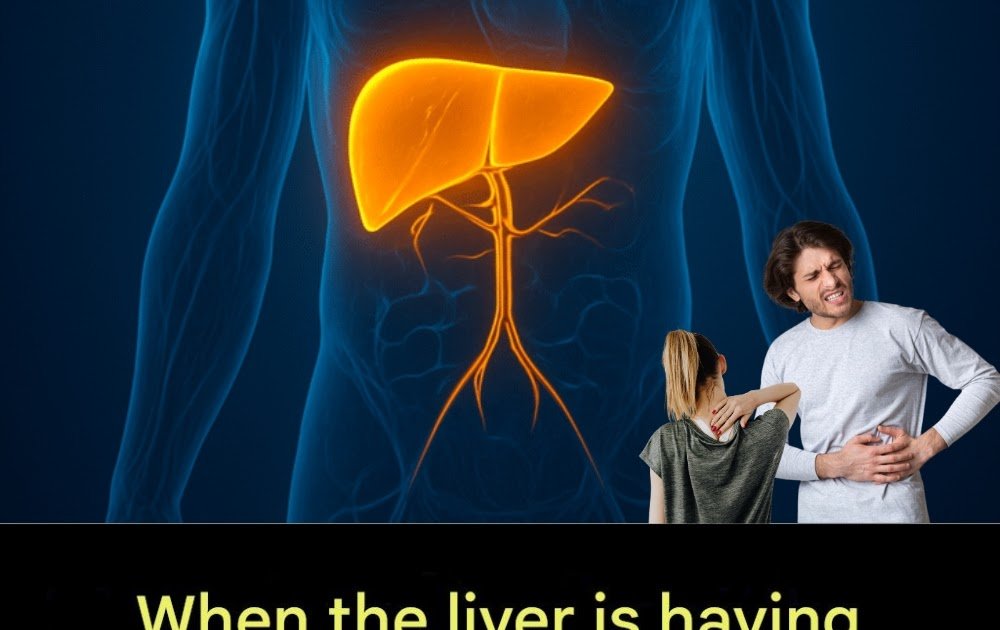

The liver is one of the most important organs in the human body. It filters toxins, produces bile, stores nutrients, regulates metabolism, and supports hundreds of vital processes every single day.
When something goes wrong with this organ, the body usually reacts quickly—and one of the strongest signals comes in the form of pain in specific regions.
Understanding these warning signs can help you detect liver issues early and seek proper care before the problem becomes serious.
Why Liver Pain Affects Multiple Parts of the Body
Because the liver is connected to digestion, blood filtration, hormone regulation, and nerve pathways near the diaphragm, discomfort doesn’t always appear only where the liver is located.
Inflammation, swelling, bile flow problems, or toxin buildup can trigger symptoms in nearby organs—or even in body parts far from the abdomen.
Below are the main areas of the body that may hurt when the liver is not functioning at its best.
1. Upper Right Side of the Abdomen
This is the most common location of liver-related pain.
The liver sits directly under the diaphragm on the upper right side of the abdomen. When the organ becomes inflamed, enlarged, or irritated, you may feel:
-
A heavy or pressured sensation
-
Sharp or stabbing pains
-
Sensitive or tender skin when pressing on the area
Conditions often linked to this type of pain include:
-
Fatty liver disease
-
Hepatitis
-
Cirrhosis
-
Liver congestion or inflammation
If discomfort in this region becomes persistent, it’s a strong sign that the liver may need medical attention.
2. General Abdominal Pain (Diffuse Discomfort)
Sometimes liver problems cause pain throughout the entire abdomen, not just on the right side.
This may happen when:
-
Nearby organs are affected by inflammation
-
There is fluid buildup inside the abdomen (ascites)
-
The liver is severely swollen or under stress
Ascites, in particular, creates a feeling of:
-
Bloating
-
Pressure or heaviness
-
Distended abdomen
It is often associated with advanced liver disease or liver failure, making early evaluation crucial.
3. Right Shoulder and Upper Back
Liver pain can also radiate to areas that seem unrelated—especially the right shoulder and upper back.
This happens because the diaphragm shares nerve pathways with the shoulder region. When the liver irritates these nerves, the brain can misinterpret the source of the discomfort. This type of redirected pain is known as referred pain.
People with:
-
Chronic liver disease
-
Liver inflammation
-
Liver tumors
often describe this exact type of shoulder or back ache.
4. Skin and Joint Pain
Liver problems don’t only cause internal discomfort—they can also affect the skin and joints.
Common symptoms include:
-
Intense itching, particularly on the palms of the hands and soles of the feet
-
Dry or irritated skin
-
Joint pain or stiffness, sometimes diagnosed as hepatic arthritis
These symptoms often appear when bile flow is blocked—a condition known as cholestasis.
When the liver cannot filter toxins properly, inflammatory byproducts accumulate, triggering joint inflammation and widespread itching.
5. Headaches, Brain Fog, and Fatigue
A malfunctioning liver allows toxins to circulate through the bloodstream, and this can directly affect the brain.
People with liver problems often experience:
-
Persistent headaches
-
Mental confusion or difficulty concentrating
-
Extreme tiredness
-
Mood changes
-
In severe cases, symptoms of hepatic encephalopathy
When toxins that should be filtered by the liver reach the nervous system, even everyday tasks can feel exhausting.
Final Thoughts
Liver-related pain can manifest in many areas of the body—from the abdomen and back to the skin and joints.
If you notice ongoing discomfort in these regions combined with symptoms like:
-
Yellowing of the skin or eyes (jaundice)
-
Abdominal swelling
-
Chronic fatigue
-
Confusion or brain fog
it’s essential to seek medical evaluation as soon as possible.
Early diagnosis and proper treatment can prevent complications and significantly improve quality of life.
Paying attention to these early warning signs is one of the best ways to protect your liver and overall health.