 By admin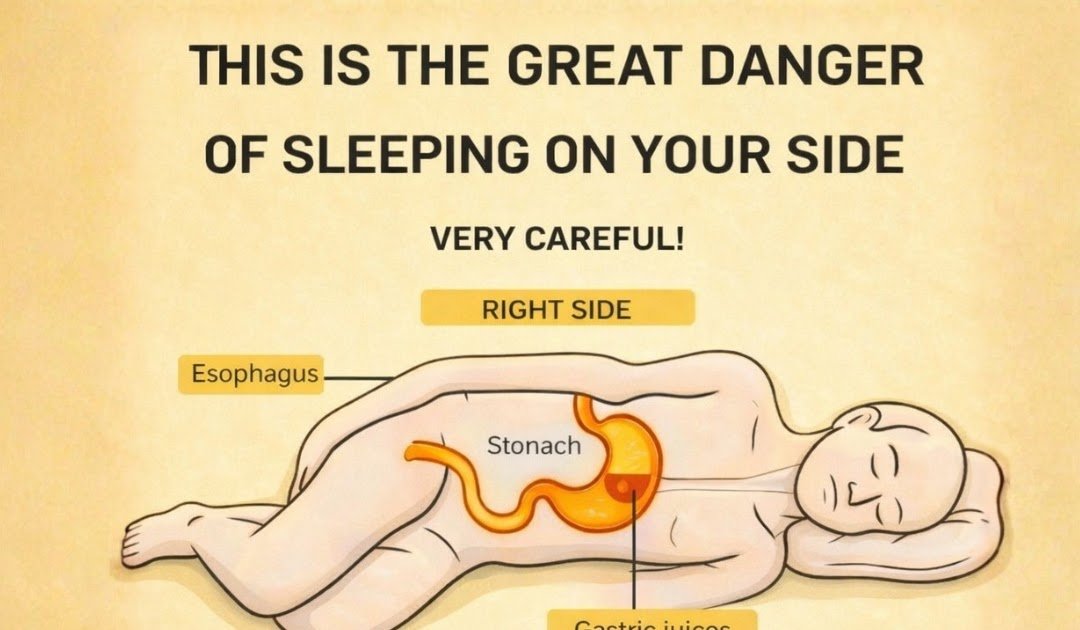

Many of us toss and turn at night, finally settling into that comfortable spot on our right side, only to wake up feeling groggy, bloated, or with a nagging discomfort in our chest. It’s frustrating when sleep—the one thing meant to recharge us—leaves us feeling worse in the morning. And if you’re someone who favors your right side night after night, this habit might be quietly working against your body’s natural recovery processes.
But here’s the encouraging part: small adjustments to how you sleep can lead to noticeable improvements in energy, digestion, and overall comfort. Keep reading to uncover what research reveals about side sleeping—and why one side might support your health more effectively than the other.

Why Do Most People Prefer Side Sleeping?
Side sleeping is incredibly common—studies show that over 60% of adults naturally gravitate toward it. It’s often praised for helping reduce snoring and supporting easier breathing, especially for those with mild sleep issues.
This position aligns your spine better than stomach sleeping and can feel more secure than lying flat on your back. Many find it cozy, curling up like in the fetal position.
But here’s the catch: not all side sleeping is equal. Consistently choosing the same side can influence how your organs function overnight, from digestion to circulation.
The truth is, your body isn’t perfectly symmetrical inside. Organs like the stomach, heart, and liver are positioned in ways that respond differently to gravity depending on which side you’re on.
This brings us to an important question many overlook…

Potential Drawbacks of Sleeping on Your Right Side
While right-side sleeping feels natural for some, research suggests it may place extra demands on certain body systems during rest.
For instance:
- Digestion and Reflux Concerns: Studies, including those published in the Journal of Clinical Gastroenterology, indicate that right-side sleeping can allow stomach acid to more easily rise toward the esophagus, potentially leading to nighttime discomfort or heartburn.
- Organ Positioning: The liver, your body’s largest internal organ, is located primarily on the right. Lying directly on it for hours might affect its natural processes, though individual experiences vary.
- Circulation Considerations: The inferior vena cava, a major vein returning blood from the lower body to the heart, runs along the right side. Some experts note this position could subtly influence blood flow in certain people.
- Lymphatic Flow: Much of the body’s lymphatic system drains toward the left, supporting natural detoxification. Right-side sleeping might not optimize this process as effectively.
That said, these effects aren’t universal—many people sleep on their right side without issues. But if you notice morning fatigue, digestive unease, or restless nights, your position could be a factor worth exploring.
Here’s the interesting part: flipping to the opposite side has shown promising benefits in multiple studies.

Why Many Experts Favor Left-Side Sleeping
Research from sources like the American Journal of Gastroenterology and systematic reviews points to left-side sleeping as potentially more supportive for several key functions:
- Smoother Digestion: Gravity assists food movement through the stomach and intestines when lying on the left.
- Reduced Nighttime Reflux: Multiple studies, including a meta-analysis, found left-side positioning helps keep the esophagus above the stomach, minimizing acid exposure.
- Better Circulation: This position may ease pressure on the heart and major vessels, promoting efficient blood flow.
- Enhanced Detoxification: The lymphatic system’s primary drainage pathway aligns better on the left, aiding waste removal.
Additionally, animal studies on the brain’s glymphatic system (which clears metabolic waste during sleep) suggest side sleeping in general—and lateral positions—supports more efficient brain cleansing compared to other postures.
Of course, the “best” position depends on your unique body. But for general wellness, left-side sleeping often emerges as a gentle, evidence-backed choice.

Quick Comparison: Left vs. Right Side Sleeping
| Aspect | Left Side Potential Benefits | Right Side Considerations |
|---|---|---|
| Digestion | Gravity supports smoother food passage | May slow process or increase reflux risk |
| Acid Reflux | Reduces esophageal acid exposure | Higher likelihood of acid rising |
| Heart & Circulation | Less pressure on major vessels | Potential subtle compression |
| Lymphatic Drainage | Aligns with primary pathways | May not optimize flow |
| Brain Waste Clearance | Supports glymphatic efficiency (side sleeping) | Similar to left, but overall side preferred |
What About Back or Stomach Sleeping?
No position is perfect for everyone, so let’s break down the alternatives:
Back Sleeping Pros:
- Maintains neutral spine alignment
- May reduce facial pressure and wrinkles
- Good for those without snoring issues
Back Sleeping Cons:
- Can worsen snoring or mild breathing pauses
- Might contribute to lower back discomfort without proper support
Stomach Sleeping Pros:
- Rarely chosen, but some find it comfortable initially
Stomach Sleeping Cons:
- Strains the neck from turning your head
- Flattens the spine’s natural curve
- Restricts deep breathing
For most, side sleeping strikes the best balance—especially with proper pillow support.
Practical Tips to Transition to Left-Side Sleeping
Switching habits takes patience, but your body adapts surprisingly well. Here are step-by-step ways to make it easier:
- Start Gradually: Begin by falling asleep on your left side, even if you shift later. Consistency builds over time.
- Use Body Pillows: Place a firm pillow behind your back to discourage rolling onto the right. Hug another in front for stability.
- Align Your Setup: Position a pillow between your knees to keep hips and spine neutral. Choose a medium-firm head pillow that supports your neck.
- Pre-Bed Routine: Light stretching or deep breathing can relax you into the new position. Avoid heavy evening meals to reduce digestive pressure.
- Track Progress: Note how you feel after a week—many report deeper rest and fewer morning complaints.
But that’s not all… combining position with other habits amplifies results.
Additional Habits for Deeper, More Restorative Sleep
- Opt for a supportive mattress that contours without sagging.
- Keep your bedroom cool (around 60-67°F), dark, and quiet.
- Wind down without screens at least an hour before bed.
- Sip herbal teas like chamomile for natural relaxation.
- Maintain a consistent sleep schedule, even on weekends.
These simple tweaks work together to enhance overnight recovery.
Frequently Asked Questions
1. Is sleeping on my right side dangerous?
No evidence suggests it’s harmful for most healthy people. However, if you experience frequent heartburn, poor digestion, or restless sleep, trying the left side may help based on research.
2. How long does it take to adjust to a new sleep position?
Most people notice adaptation within 1-2 weeks, though full habit formation can take up to a month. Be patient and consistent.
3. What if I have back pain— which side is better?
Side sleeping with knee support often relieves back pressure. Left or right can work; experiment to see what feels best, and consult a professional for persistent pain.
Final Thoughts: Your Sleep Position Really Does Matter
A comfortable right-side habit might feel great short-term, but evidence points to left-side sleeping as potentially more aligned with your body’s anatomy for digestion, circulation, and restful recovery.
Making this shift—along with supportive pillows and routines—could unlock more energized mornings and better long-term wellness.
Which side do you usually sleep on? Trying the left for a few nights might surprise you with how much better you feel.
Disclaimer: This article is for informational purposes only and not intended as medical advice. Sleep positions affect individuals differently. Consult a healthcare professional for personalized guidance, especially if you have ongoing health concerns.